As “Rzeczpospolita” found out, the Supreme Audit Office (NIK) decided to carry out two expert missions in Uganda. The first official stayed there from May 18-21, while the next two-person group started work on May 25 and will stay there until June 5.
Officials from the Department of Audit Process Management and the Department of Adjudication and Legal Support work in the capital, Kampala, supporting the Office of the Auditor General there. The trips are part of a three-year project financed by the European Union, in which, apart from Poles, experts from Estonia and Portugal take part.
The Ministry of Foreign Affairs warns, the Supreme Audit Office is looking at the tickets
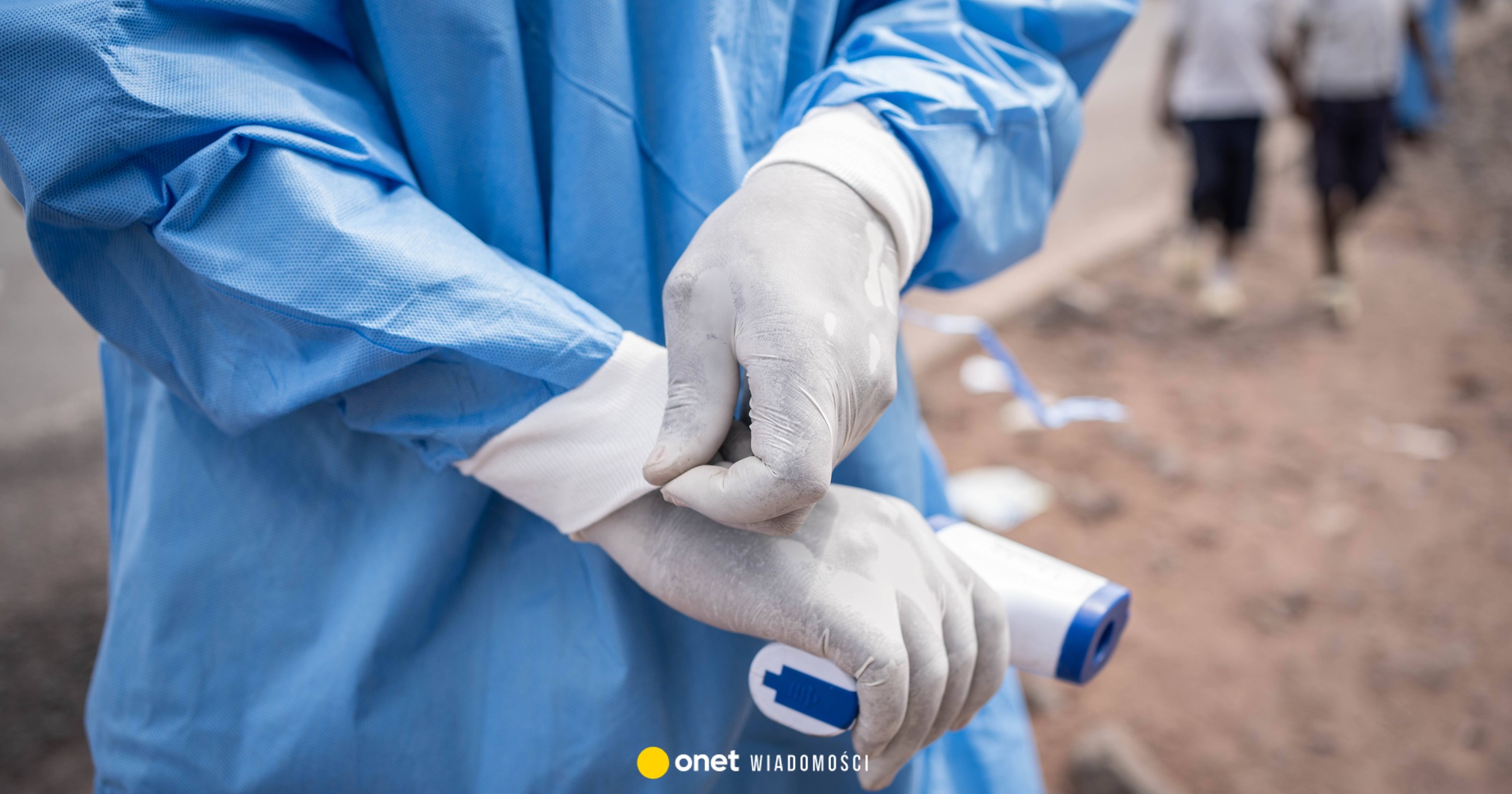
The decision to send workers is controversial because it coincides with dramatic medical announcements. On May 16, the Director-General of WHO announced that the Ebola outbreak in the Democratic Republic of the Congo and Uganda was a public health threat of international concern.
The Polish Ministry of Foreign Affairs issued a level four warning, categorically advising against all travel to the entire border region of these countries. Meanwhile, unofficial information from “Rzeczpospolita” shows that the Supreme Audit Office did not decide to cancel the mission because he could no longer return the plane ticketswhich were purchased last year.
The Chamber's spokesman, Bartłomiej Pograniczny, assures us that the situation is being monitored, and the employees underwent medical consultations and received the necessary vaccinations before departure. He also emphasizes that the threat in Uganda itself has so far been assessed as “insignificant” compared to the situation in Congo.
Prof. Krzysztof Pyrć from the Jagiellonian University in an interview with “Rzeczpospolita” makes it clear: he would not fly himself and points out that the Sanepid should assess the risk and possible need for quarantine for returning officials. On the other hand prof. Włodzimierz Gut soothes the mood, noting that Ebola is more difficult to contract than, for example, COVID-19, as long as strict hygiene rules are maintained and contact with sick people is avoided.
The deadly Bundibugyo virus
However, the situation is serious. Bundibugyo strain of Ebola virus is characterized by a high mortality rate, which is on average from 30 to 50 percent Infection occurs through close contact with an infected person's blood or secretions, and symptoms – such as sudden fever, muscle aches, vomiting and bleeding – appear rapidly.
In neighboring Congo, approximately 900 infections and over 200 deaths have already been identified. The Ugandan authorities, fearing the further spread of the epidemic, decided this week to… closing the border with Congo for a period of one month.