

The “2016” hashtag on TikTok has recently seen a several hundred percent increase in searches, and the number of videos created around the new trend is in the tens of millions. Users compare their old photos with current ones, recalling music hits, fashion and events such as the Pokémon GO boom, the debut of Netflix in Poland or viral songs.
This nostalgic challenge, known as the “2016 Challenge,” seems like harmless fun, but it actually provides gigabytes of standardized data – time-spaced photos, annotated with context and the people in them – that are perfect for training AI models.
Dr. Kamil Stępniak, an expert in digital law, known online as Constitutionalist, warns that by uploading old photos, users are unknowingly giving away valuable resources for free for the development of artificial intelligence.
These photos from the era before advanced AI, with the passage of time clearly marked, allow algorithms to learn to model aging processes, improve facial recognition or de-anonymize anonymous materials. It is also a valuable source of information about our preferences and their changes over the years.
Read also: 2016 Challenge has mastered the feeds. The trends we wore and loved 10 years ago are now viewed with nostalgia
The risks are serious: from creating fake intimate content to predicting behavior based on changes in appearance. Worse yet, once data is uploaded online, it never disappears, and trends like this standardize it in a way that facilitates mass processing by big tech companies, without any compensation to users.
Annual summaries – we reveal what we like
This trend fits into the broader context of annual summaries of our preferences, which have become a ritual in the digital world – from Spotify Wrapped, where we share lists of the most frequently listened to songs, to YouTube Recap with the history of movies watched, or Steam Year in Review, revealing hours spent on games. These personalized reports, although fun, are in fact free data about our tastes, habits and emotions, which platforms use to improve recommendations, but we also share them on social media, such as Instagram or Facebook.
In this way, we feed the algorithms not only on one application. By providing summaries, for example, on Meta platforms, we enable Facebook to precisely target ads, because it already knows that we like indie rock and adventure games, and this is related to our purchases, locations and even changes in mood over time.
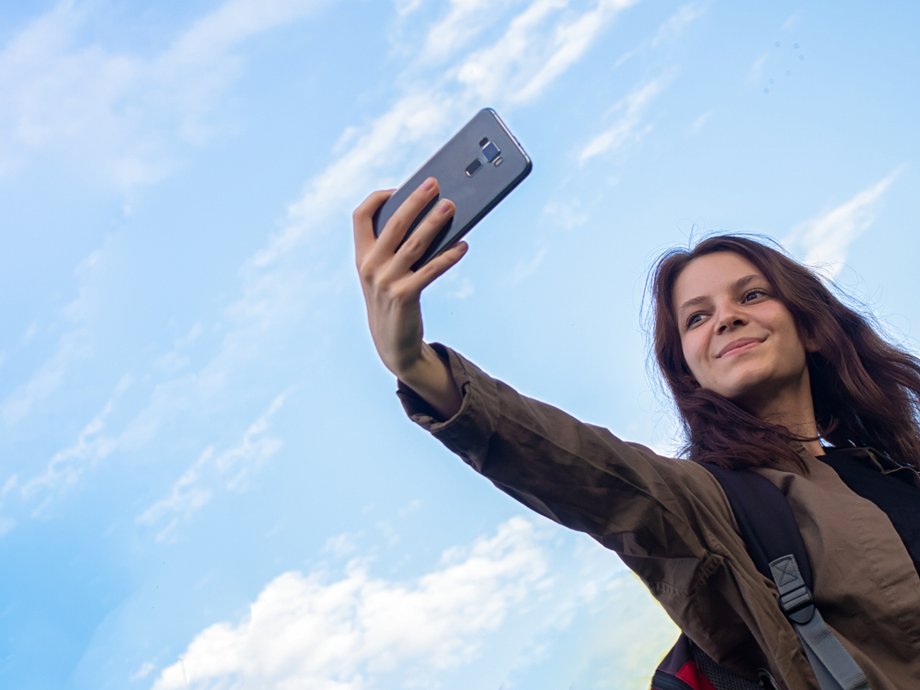
A simple selfie reveals a lot about us. From place of residence to financial status
|
Shutterstock
Outside of these platforms, we surrender our privacy to AI every day by sharing reviews on Google Maps, shopping histories on Amazon, and activities on fitness apps like Strava – all of which ends up in the data cloud, where algorithms learn to anticipate our needs before we even become aware of them.
Read also: User data in the hands of AI. Privacy is in question
Data scientists predict that trends such as the “2016 Challenge” will only accelerate the era of hyper-personalized surveillance: AI will increasingly better simulate our lives, from forecasting purchases to manipulating content in feeds, and in exchange for a moment of viral fun, we lose control over our own digital identity. If we don't consciously start limiting sharing, privacy will soon become a luxury and our data will become a currency that we give away for free to tech giants.


