This is the so-called plan B, which Ursula von der Leyen presented on Wednesday in Brussels. Second best solution, at least from the point of view of the European Union. However, in recent weeks it has become clear that nothing more can be achieved. The President of the Commission announced an interest-free loan of EUR 90 billion (PLN 380 billion) to Ukraine, financed by common debt and secured by the EU budget.
“We all want peace,” von der Leyen said during a press conference. — To achieve it, Ukraine must be in a strong position, both on the battlefield and at the negotiating table.
Plan A of support for this country failed in December during a meeting of 27 European heads of state and government. It envisaged using Russian assets frozen by Brussels to finance a loan to Ukraine.
So option B came into force on Wednesday: new joint debt. EUR 30 billion (PLN 127 billion) is to go to the Ukrainian budget, for example for health care, transport and energy. It is hoped that this amount will help keep the country's economy afloat, at least to a minimal extent. Kiev is to spend the remaining EUR 60 billion (PLN 253 billion) on the purchase of military equipment.
The question is: where exactly? — First of all in Ukraine and in the EU, von der Leyen said during her speech. All investments they must also bring benefits to the European economy. — However, if purchases in our region are not possible, the equipment can, as an exception, also be purchased elsewhere, added the President of the European Commission.
The article continues below the video
There has been a dispute on this matter in recent days. The French government demanded the introduction of a “buy European” clause, according to which the purchase of weapons and ammunition would be allowed only in the EU, and not, for example, in the USA. This is aimed at strengthening the country's defense industry and – although Paris officials do not say so publicly – companies such as Dassault and Thales.
Dependent on America
However, then the Ukrainians would not be able to obtain all the weapons they currently need. Several EU countries, including Germany and the Netherlands, therefore want to allow them to shop outside Europe. For example, Kiev depends on US-produced interceptor missiles and spare parts for F-16 fighter jets.
Ursula von der Leyen's plan reconciles these two positions. First, it will be examined whether the necessary military equipment is available in Europe. Only, if it can be ruled outKyiv will be able to use EU funds to purchase, for example, American weapons.
Brussels' loan is intended to provide financing for Ukraine for the next two years. According to the proposal, the country will have to repay it only when Russia ends the war and pays compensation. However, it is considered almost impossible that Moscow will pay compensation, so the EU will ultimately have to cover these costs itself.
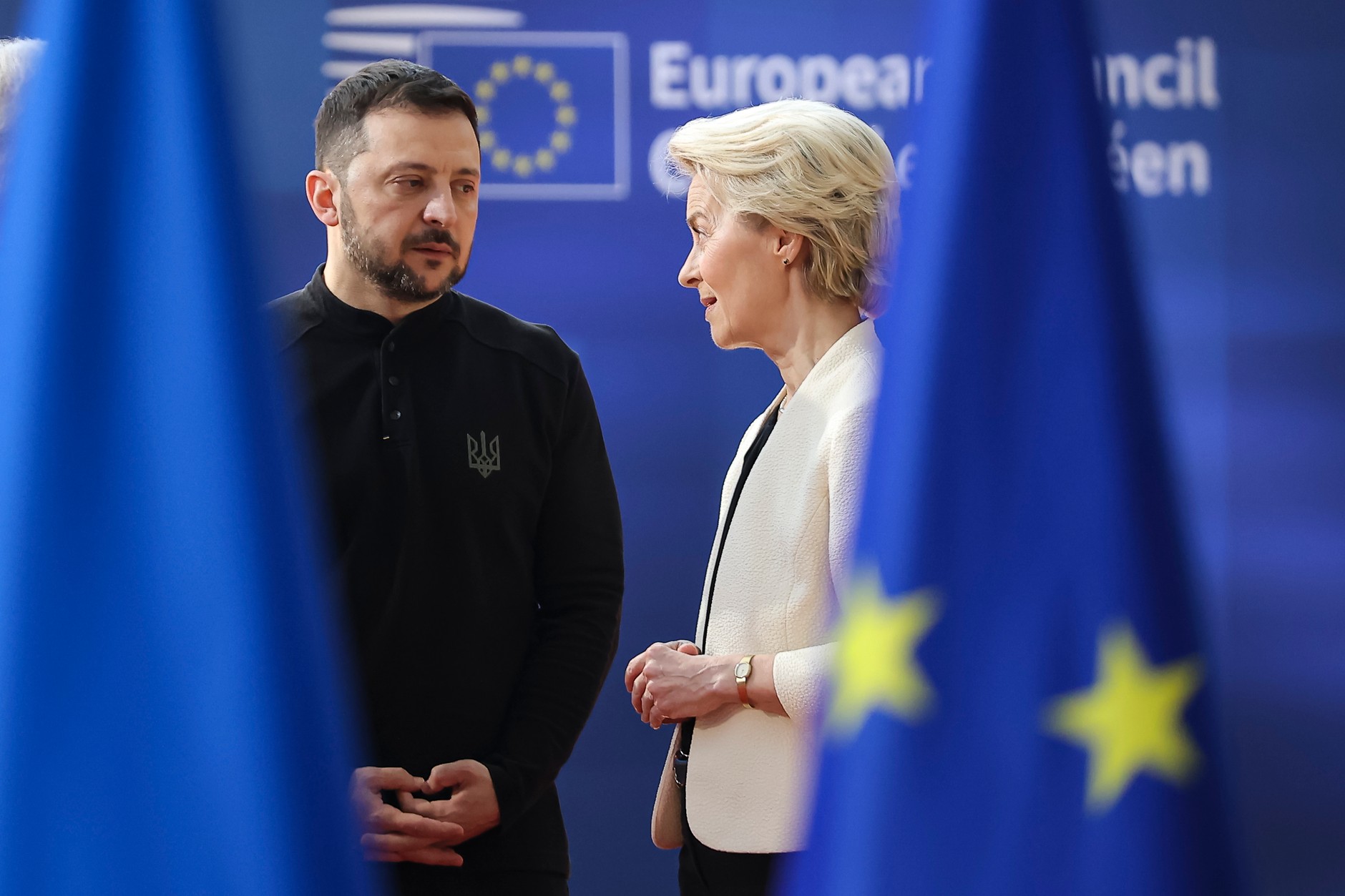
President of Ukraine Volodymyr Zelensky with President of the European Commission Ursula von der Leyen, Brussels, Belgium, March 6, 2025.Nicolas Economou/NurPhoto via Getty Images / Getty Images
How could she do that? According to EU officials, one possibility would be to use frozen Russian assets in the future – but it can be assumed that this would then pose the same legal and political obstacles as today. Repayment from the European budget is more likely. It is now supposed to cover interest costs, estimated at EUR 3 billion (approx. PLN 13 billion) annually.
— It is right and important that the European Commission today ensures planning security regarding the financing of Ukraine, says Markus Ferber, a member of the European Parliament from the German CSU party. — Whoever supports Ukraine also protects the security and stability of Europe, he adds. Helping this country is not an act of charity, but a strategic necessity.
The specter of a new dispute with the USA
However, Ferber is one of those who would be happy to use the frozen funds of the Russian central bank. — This is deplorablethat Russian assets are not consistently used for financing, he says. — The currently selected structure is at best the second best solution, says the politician.
What's next? The European Parliament and Member States still need to approve the Commission's plan. The first tranche of aid for Kiev is to be disbursed in April. 24 Member States will take out common debt to finance the loan. Hungary, Slovakia and the Czech Republic will not do this.
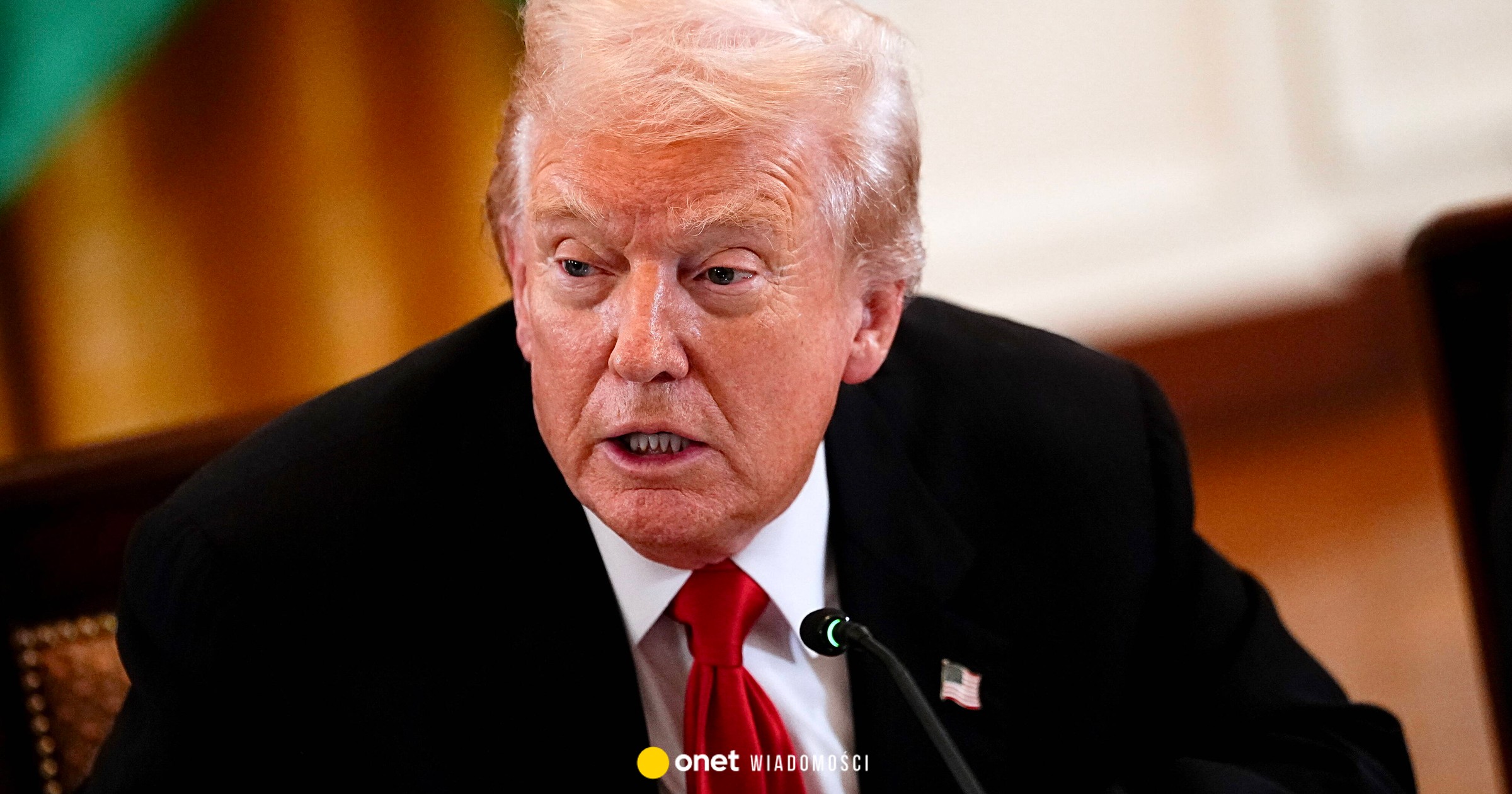
If a “buy European” clause is introduced, as the Commission proposes, this may result in a new dispute with the US government. Germany and other NATO members have committed to purchasing weapons and ammunition for Ukraine from the United States this year for at least $1 billion. (over PLN 4 billion) per month. Instead of “buy European”, they promised Donald Trump “buy American”.
I’m Ashley Davis as an editor, I’m committed to upholding the highest standards of integrity and accuracy in every piece we publish. My work is driven by curiosity, a passion for truth, and a belief that journalism plays a crucial role in shaping public discourse. I strive to tell stories that not only inform but also inspire action and conversation.