Romania supported the trade agreement between the European Union and the Mercosur states following firm negotiations, which brought clear guarantees for industry and agriculture, the Minister of Economy, Digitalization, Entrepreneurship and Tourism, Irineu Darau, said on Saturday.

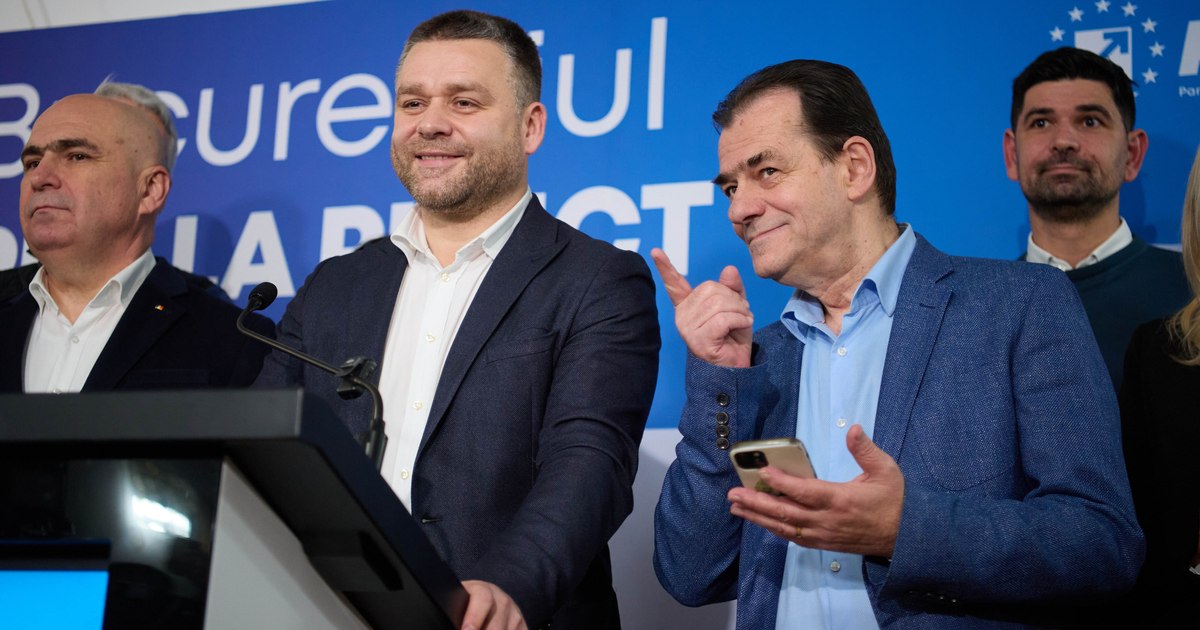
The Minister of Economy, Irineu Darău. PHOTO: Facebook
According to the minister, the agreement will stimulate Romanian exports and open new markets for producers.
“The EU-Mercosur agreement will lead to an increase in Romania's exports. Beyond the hypocrisy of some politicians with ideas of isolating the country, Romania needs new export markets and fair rules for its producers”, wrote Irineu Darău on Facebook.
He emphasized that, following the negotiations, customs duties for Romanian products will be almost eliminated.
“The result is clear: almost zero customs duties, higher exports and access to cheaper raw materials. That means more production and jobs in the automotive, mechanical and electrical industries“, said the minister.
Irineu Darău recalled that, in 2023 alone, Romanian companies paid over 47 million euros in customs duties for exports of industrial products to the Mercosur states, costs that will disappear almost completely after the entry into force of the agreement.
Regarding agriculture, the minister claims that the interests of Romanian farmers are protected. Imports considered sensitive will be strictly limited, European Union standards will remain mandatory, and 15 Romanian products with a geographical indication will benefit from protection on Mercosur markets. “Isolation does not protect Romania. An open economy, which defends its farmers and industry, makes it stronger”, Darău also transmitted.
On the other hand, the Social Democratic Party condemned the decision of the Ministry of Foreign Affairs to mandate Romania's representative in COREPER to vote in favor of the agreement, in the absence of clear clauses guaranteeing the protection of Romanian farmers from imports from Latin America.
The European Union has scheduled for January 17 the official signing of the EU-Mercosur Trade Agreement, considered a decisive step towards the creation of the largest free trade area in the world, after over 25 years of negotiations. The agreement will allow both sides to diversify their trade alliances in the context of protectionist trends globally.
EU member states have already secured a qualified majority to validate the agreement, allowing European leaders to formally sign it next week in Asuncion, along with representatives of Argentina, Brazil, Uruguay and Paraguay. France, Poland, Austria, Ireland and Hungary voted against and Belgium abstained.
The new commercial space will bring together approximately 800 million consumers and represent a cumulative gross domestic product of approximately $22 trillion. The agreement provides for the elimination of duties on 91% of EU exports to Mercosur and on 92% of South American exports to Europe, with annual savings estimated at €4 billion for European companies.
However, the agreement still needs to be ratified by the European Parliament, a process scheduled for 2026, a stage that could bring new debates and political obstacles.