In the published commentary, the expert emphasizes that “in fact, facilitating transatlantic trade in food products is at odds with the idea of shortening supply chains, often communicated as one of the goals of the EC. However, it should be remembered that the permitted quotas are very limited, so an actual flooding of the Polish market with them is unlikely.”
The rest of the article below the video:
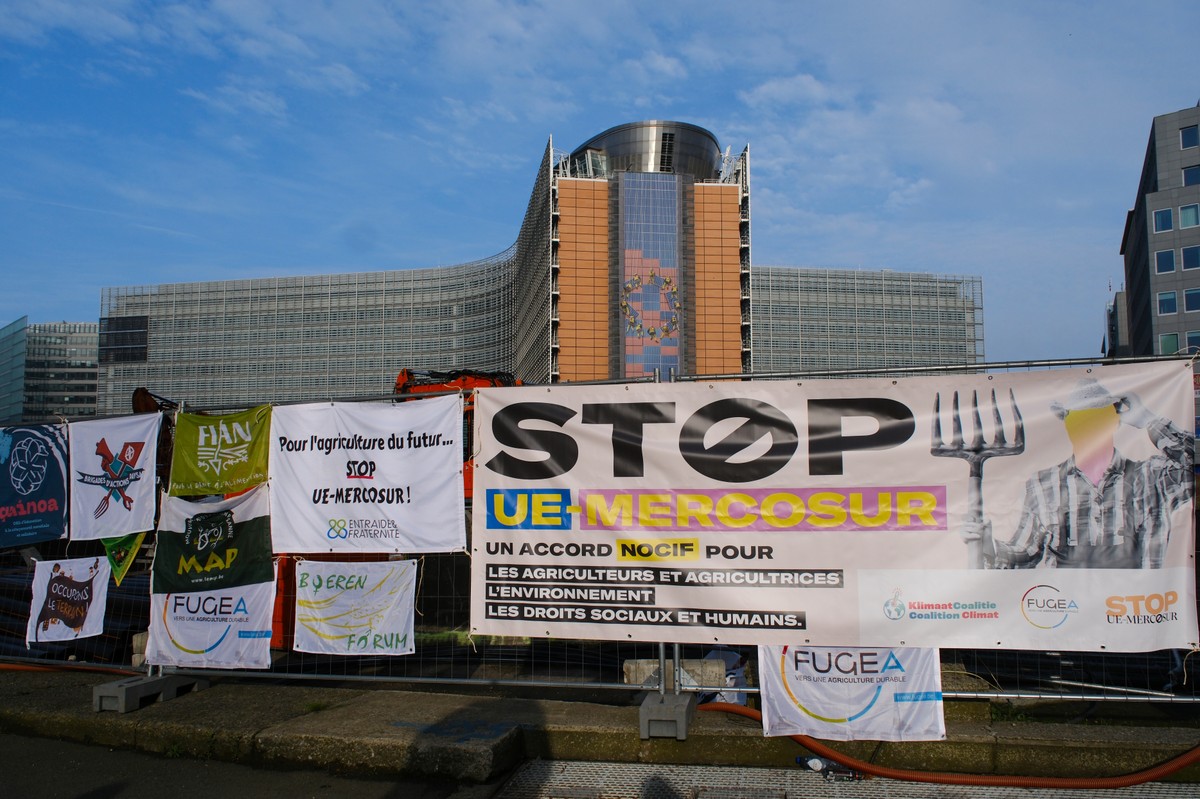
Farmers are afraid of the agreement with Mercosur
Another thing, as we read, is the fact that the food habits and purchasing decisions of Polish consumers are – and will continue to be – shaped by the physical and, above all, price availability of food products.
“Poles consume too much meat and sugar – also because these products are relatively cheap compared to fruit and vegetables, which are deficient in our diet. At the same time, farmers receive low prices for their crops from the large retail chains that dominate the Polish market,” Wrona points out.
Read also: The EU-Mercosur agreement raises emotions. What is a South American organization?
“If price relations and food environments continue to look like this, we can expect increased interest in products from Mercosur countries, to the loss of both Polish farmers and the health of society. Mercosur may slightly worsen the position of farmers, but the absence of Mercosur will not significantly improve it,” he emphasizes.
The agreement with Mercosur and the economic condition of Polish farmers
Later in the commentary, the expert discusses the topic that excites farmers on the Old Continent the most, who are afraid of competition from South America.
“If we want to address the actual sources of the economic problems of Polish farmers, we should stop insisting on using solutions and narratives that are no longer adequate to today's economic and geopolitical realities. Instead sales markets should be urgently developed and policies to build demand for Polish local agricultural products should be implemented – primarily vegetables, legumes, fruit and small processing – and shorten supply chains, increase their local supply, thereby lowering prices for consumers and promoting their consumption,” he explains.
“In the meantime, we should also take advantage of the opportunities offered by Mercosur and look for new export opportunities for Polish food products,” we read.
Read also: Controversial agreement with Mercosur. The minister spoke after the meeting in Brussels
“The natural candidate here seems to be the segment of high-quality and premium productswhich are becoming increasingly popular among international consumers. Poland has an agricultural structure that favors the development of locally profiled agriculture, and at the same time internationally associated with high quality. Such a model has real market potential – it can improve the economic situation of farmers, support the health of Poles and build real food security and sovereignty of the country, based on quality and diversity. We just have to want to use these advantages wisely.” – he emphasizes.