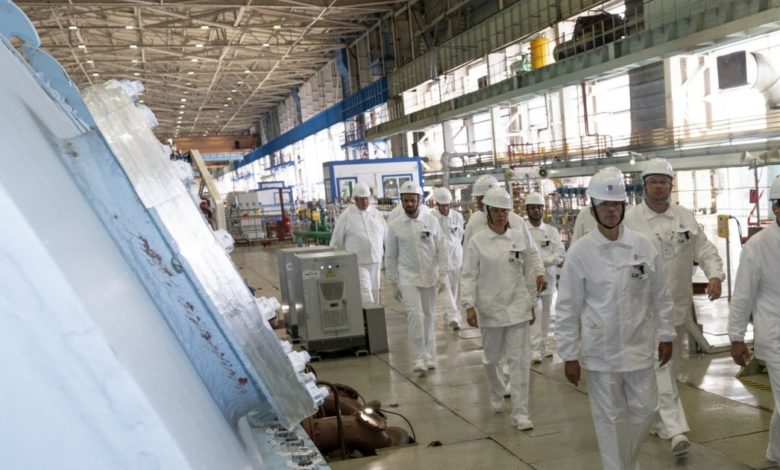
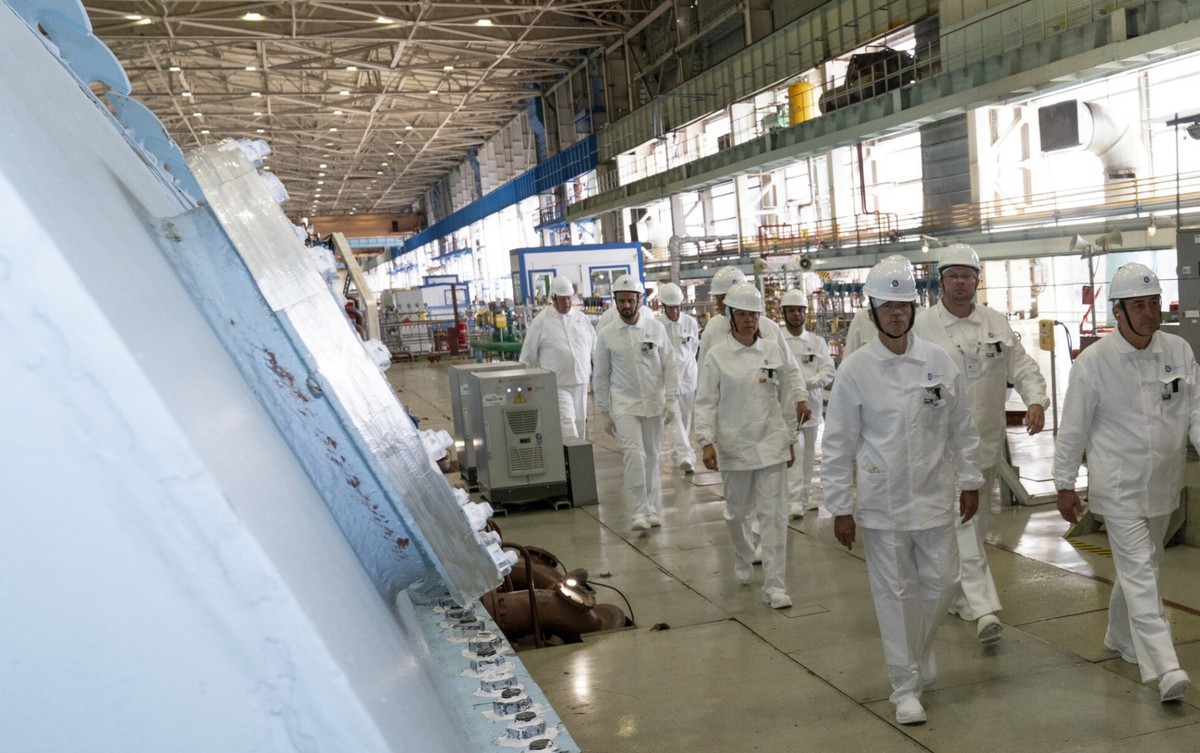
Russian state and Western agencies agree that Rosatom began the quiet evacuation of his specialists from the only nuclear power plant operating in Iran in Buszehra.
The head of the group Aleksiej Lichaczow announced in St. Petersburg that dozens of people – mainly posted employees – have already been taken away and the full evacuation “remains on the table” if the situation deteriorates “even a millimeter”.
The reactor in the Middle East raises a lot of emotions
Buszehr is the first reactor in the Middle East and The symbol of the atomic partnership of Moscow and Tehran, which has been going on for decades. Built by the Russians and launched in 2010. The block works on Russian fuel, which after burning returns to the federation. Thanks to this, the Kremlin can maintain political and technological control over the Iranian civil program.
Paradoxically, this closeness has become a problem today. Israeli air campaign from June 13, aimed at the enrichment centers of uranium near Natanz, Arak and Tehran, dramatically She raised the risk that Buszehr would also become the target of the next IDF rally.
Moscow warnings are sharp like never before. MFA spokeswoman Maria Zacharowa announced on June 18 that The world is “o millimeters from a nuclear disaster”reminding the terror of Chernobyl and Fukushima.
The Kremlin not only publicly presses to Israel to bypass Buszehr, but also warns the United States before directly entering the war, arguing that every bullet falling into a working reactor can turn the Persian bay into a radioactive contamination zone.
Russia was scared
So why does Russia decide to move, which undermines its own narrative about full control over the safety of the installation? First, he is afraid of a sudden, uncoordinated air strikewhose Iran's anti -cancer defense will not be able to repel.
The precedent of the Chernobyl drone attack in February last year showed that in the wars of Moscow and its allies, the risk for nuclear objects is no longer hypothetical.
Secondly The Kremlin calculates political costs. The death of Russian engineers or contamination of a reactor built for billions of dollars would hit the image of Rosatom as a “safe” export brand, whose geopolitical value increases as Europe limits the import of Russian fossil fuels.
Thirdly, evacuation is a form of pressure – a signal for both Israel and the West that continuing the raids is threatened with a disaster, for which Responsibility will fall on the aggressor, not Moscow.
There is also a financial motive in the background. Only June 9 Tehran announced a contract with Rosatom for the construction of up to eight subsequent blocks – an agreement that most experts recognize today as a more political demonstration than a real investment project. It is easy to imagine that the old power plant bombed or contaminated would cross these plans and cut Russia from lucrative orders that she needs alleviate the effects of Western sanctions and war recession.
It gets nervous
The authorities in Moscow are favored by the fact that so far none of the missiles has fallen on Buszehr. The Iranian Atomic Agency and International Atomic Energy Agency emphasize that the reactor works normally and the level of radiation in the area does not differ from the natural background. However, the atmosphere on the spot is nervous. The Russians maintain “pre -mobilization mode” and are ready to evacuate the remaining 250–350 employees with their families at any time.
The action of Rosatom reveals the fragile foundations of Russian-Iranian atomic cooperation. In one day, people who celebrated the extension of the joint program a month ago, They pack suitcases and return to a country engaged in their own war. The decision also shows that even for the Kremlin economic and political benefits disappear when the prospect of real nuclear contamination and losses in people arise.