The prospects for a peace deal for Ukraine appear, for the first time in more than a year, to be viewed with cautious optimism in both Kiev and Western capitals. Leaders from Ukraine, the United States and Europe say they are moving closer to a security framework designed to prevent further Russian aggression after a possible ceasefire. However, analysts warn that the lack of key details risks turning these pledges into a more symbolic exercise.
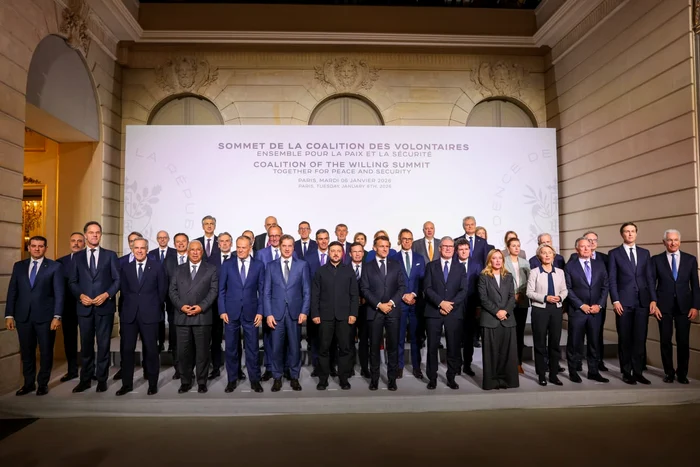
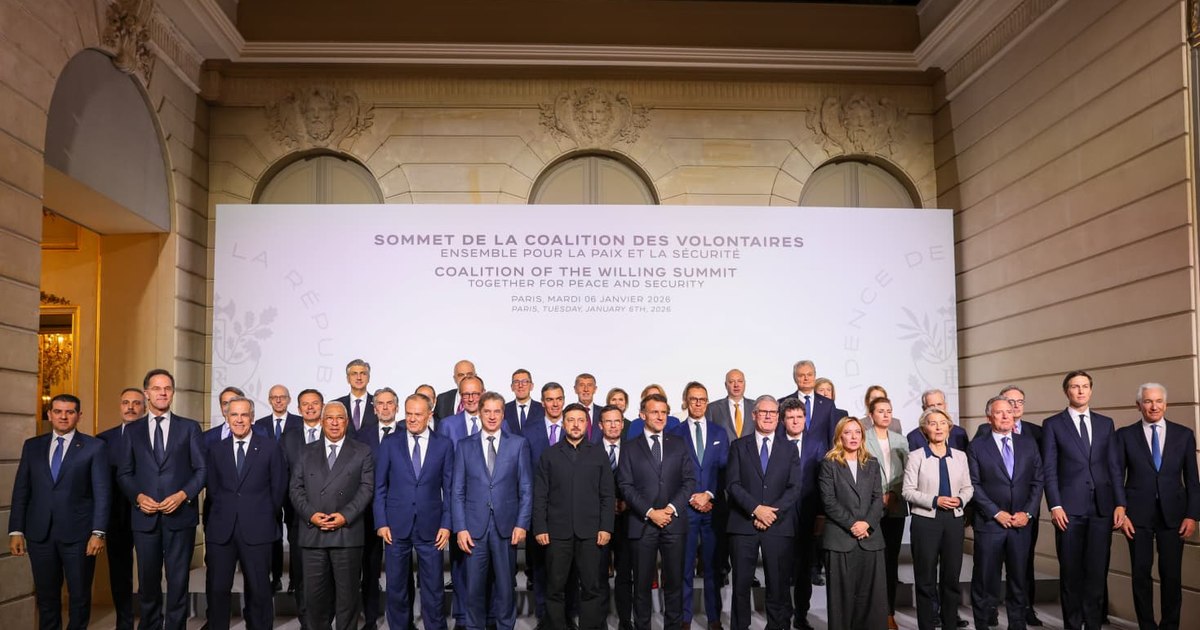
Meeting of allies of Ukraine, in Paris/FOTO:X
British Prime Minister Keir Starmer, French President Emmanuel Macron and Ukrainian President Volodymyr Zelensky recently signed a declaration on the possibility of deploying troops to Ukraine after the end of the war. In parallel, Steve Witkoff, special emissary of US President Donald Trump, said that diplomats are “close to finalizing” the security protocols that would prevent the resumption of the conflict, according to Roland Oliphant, foreign policy analyst of The Telegraph newspaper.
German Chancellor Friedrich Merz went further, saying the United States would have agreed to “solid, legally binding security guarantees” backed by American support. He stressed that Germany was ready to take greater responsibility for the security of Ukraine and Europe, although it did not join Britain and France's commitment to send troops.
Missing details, uncertain guarantees
For Kiev, these guarantees are a key element of any peace agreement. Ukrainian officials have repeatedly stated that they will not accept territorial concessions or a ceasefire without clear assurances that Russia will not be able to launch a new attack.
However, no concrete details regarding military support or intervention mechanisms have been made public to date. European and Ukrainian leaders only mentioned a possible role for the United States in monitoring a truce, stressing that discussions on actual support were still ongoing.
Asked about the exact content of the security protocols, Steve Witkoff said they are designed to deter any new attack and to defend Ukraine in the event of an attack. However, he avoided giving specific examples, saying only that the US military is “looking into” options.
According to Roland Oliphant, the absence of an explicit guarantee—suggesting that a new attack on Ukraine would automatically invite conflict with the United States—remains a major problem. “This ambiguity matters enormously,” notes the analyst.
Open questions about the role of the US
At one point, British officials advanced the idea of US fighter jets stationed in Poland or Romania supporting any Ukrainian, British and French forces deployed on the ground. It is not clear if this option is still on the negotiating table, as the final details have not been determined.
The efficiency of any deterrent mechanism will depend, analysts say, precisely on these concrete elements. Without them, there is a risk that security guarantees will remain only “on paper”.
Additionally, recent US actions in Venezuela and President Trump's statements on Greenland have fueled questions in Europe about the strength of US commitments to the continent's security.
An agreement still far away
All these plans ultimately depend on Russia accepting a cease-fire. President Vladimir Putin has already ruled out any deal that would allow the deployment of NATO troops on Ukrainian territory.
At the January 6 meeting of the so-called “Coalition of the Volunteers” there were signs of restoring Western unity. Britain and France have taken further steps to show that Europe is ready to take on more responsibility for its own security.
However, concludes Roland Oliphant, “peace remains, for now, somewhere over the horizon.”
According to official statements, future security guarantees for Ukraine would include legally binding commitments, such as military support, information exchange, logistical assistance, diplomatic initiatives and the imposition of additional sanctions in the event of further Russian aggression.