The sobriety of parliamentarians is questionable. Personal Data Protection Office talks about “sensitive data”

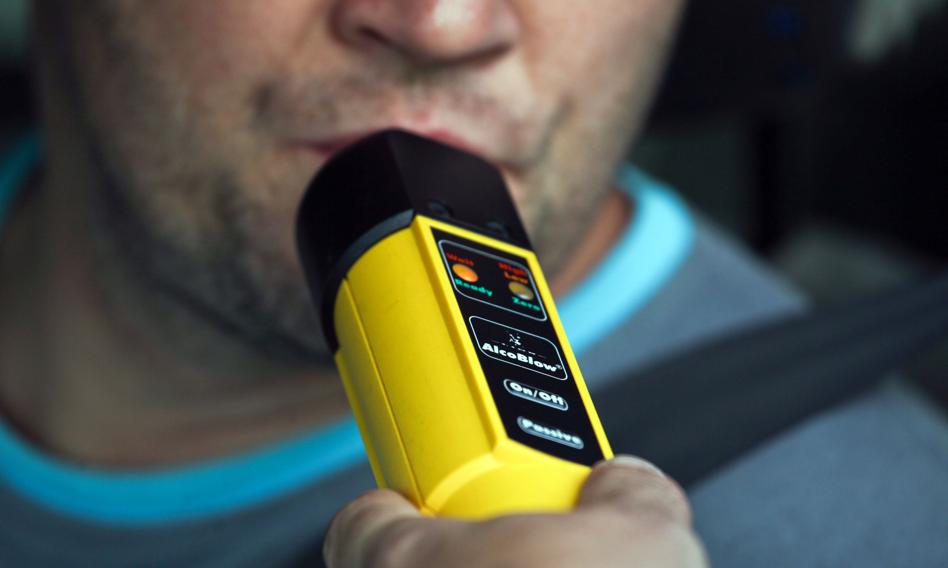
The President of the Personal Data Protection Office, Mirosław Wróblewski, submitted comments on the parliamentary draft amendment to the Act on the exercise of the mandate of a Member of Parliament and Senator and the Act on the Marshal's Guard, which is to enable testing of parliamentarians for sobriety. In his opinion, the project violates the GDPR.
The comments of the President of the Personal Data Protection Office concern the draft amendment to the Act of Poland 2050, which is to enable an MP or senator to be tested to determine the alcohol content in the body using electronic devices that measure the concentration of alcohol in exhaled air (so-called breathalyzers).
As emphasized in the announcement posted on the website of the Office for Personal Data Protection (UODO), “information about the presence of alcohol in the human body constitutes personal data concerning health within the meaning of Article 4(15) of the GDPR.” Therefore, as it was added, “the designed solutions must be consistent with the standards of personal data processing and protection.”
The supervisory authority noted that the administrator who, pursuant to the proposed regulations, will process health data in the form of information about the presence of alcohol in the body of a deputy or senator will process special category data specified in Art. 9 section 1 GDPR. This provision prohibits the processing of special categories of personal data, such as those revealing, among others: racial or ethnic origin, political views or religious beliefs.
And performing any operations on such data – as added in the announcement – requires meeting the conditions specified in Art. 9 section 2 GDPR. This provision indicates exceptions to the general prohibition of processing sensitive data, allowing them when at least one of ten specific conditions are met, such as the explicit consent of the person.
A privacy test would make it easier for the project developer to conduct a risk analysis
The Personal Data Protection Office notes that “an increased standard of data protection regarding health information is required for the processing of such data as it involves an increased risk of violating the rights and freedoms of data subjects.” “The protection of health data is not absolute, but their processing may only take place in strictly defined cases to achieve only the necessary purposes specified in the provisions of the GDPR, and only in accordance with the principles regarding the processing of personal data set out in Article 5 of the GDPR,” we read in the announcement.
Article 5 of the GDPR sets out the fundamental principles of the processing of personal data, stating that they must be lawful, reliable, transparent, collected for specific purposes, adequate and processed in a secure manner, and the controller must be able to demonstrate compliance with them.
The announcement emphasized that the President of the Personal Data Protection Office indicated the need to cover the designed solutions with a privacy test along with an assessment of the effects on data protection. It was noted that “obtaining personal data of MPs and senators, revealing their health condition, but also their current physical condition or addictions, requires particularly thorough analysis.”
According to the Personal Data Protection Office, the privacy test would make it easier for the project developer to analyze the risks to the rights and freedoms of persons whose personal data will be processed, as well as to verify the necessity of introducing specific solutions and assessing the scope of necessary data.
The announcement recalled that the discussion on the processing of personal data during sobriety tests took place on the occasion of the amendment of the provisions of the Labor Code, when this act was expanded, among others, o regulations regulating the control of employees for the presence of alcohol or substances acting similarly to alcohol in their bodies. As added, the Act on the Marshal's Guard also introduced solutions regarding testing of Marshal's Guard officers for alcohol content in their bodies or for the presence of other similarly acting substances in their bodies.
“The President of the Personal Data Protection Office pointed out that the provisions in these acts contain solutions to protect personal data and privacy of natural persons, and also specify how such research is to be carried out to ensure respect for the dignity and privacy of the examined persons,” the press release emphasized.
According to the Personal Data Protection Office, the draft act in its reviewed version violates a number of principles set out in Art. 5 GDPR. For this reason – as we read in the announcement – the President of the Personal Data Protection Office pointed out the need to supplement the draft act, among others: to specify the purpose for which the research will be carried out (and therefore what personal data of MPs and senators will be obtained) and to regulate in the provisions of the Act the catalog of personal data that will be processed during the research, as well as to indicate the procedures for documenting the conduct of the research, the conditions for storing the research documentation and the duration of data storage.
According to the President of the Personal Data Protection Office, the project should also specify the method of conducting the test, which should take into account the dignity and right to privacy of the examined person, as well as indicate the technical conditions to be met by the device used to check sobriety.
The draft amendment to Poland 2050, which was submitted to the Sejm at the end of 2025, provides for the possibility of conducting a sobriety test for parliamentarians on the basis of an order of the Speaker of the Sejm or Senate or the chairman of the debate, the deputy speaker of the Sejm or Senate, only in the event of a justified suspicion that the parliamentarian was under the influence of alcohol during the meeting. The test would be performed by the Marshal's Guard using a breathalyzer, without the possibility of taking blood. According to the amendment, refusal to undergo the examination or the inability to carry it out may result in the exclusion of the parliamentarian from the meeting, but such a decision would be the responsibility of the body conducting the meeting.
The justification for the project emphasized that the reasons for its submission were, among others: high-profile cases in recent years of parliamentarians participating in debates under the influence of alcohol, which is not in line with the dignity of the Polish parliament.
At the end of November last year, the Speaker of the Sejm, Włodzimierz Czarzasty, signed an order banning the sale of alcoholic beverages in buildings and areas managed by the Chancellery of the Sejm. (PAP)
ero/ pab/ ugw/