Venezuela has oil, but also a huge foreign debt. Who are the “eagles” waiting for their money


The capture of President Nicolas Maduro in a U.S. operation brought to the fore the debt crisis in Venezuela, one of the world's largest outstanding non-payment situations, Reuters points out.
After years of economic crisis and US sanctions that cut it off from international capital markets, Venezuela defaulted in late 2017 after defaulting on international bond payments issued by the government and state oil company Petroleos de Venezuela, known as PDVSA.
Since then, accrued interest and legal claims related to past expropriations have added to the unpaid principal, swelling the total external debt well beyond the face value of the original bonds.
The value of Venezuela's bad debt has risen since US President Donald Trump came to power in January 2025, with speculators betting on the possibility of a political change that would see some of the money recovered.
Venezuela has the world's largest oil reserves, surpassing even OPEC leader Saudi Arabia, but its crude production has collapsed after years of mismanagement and sanctions.
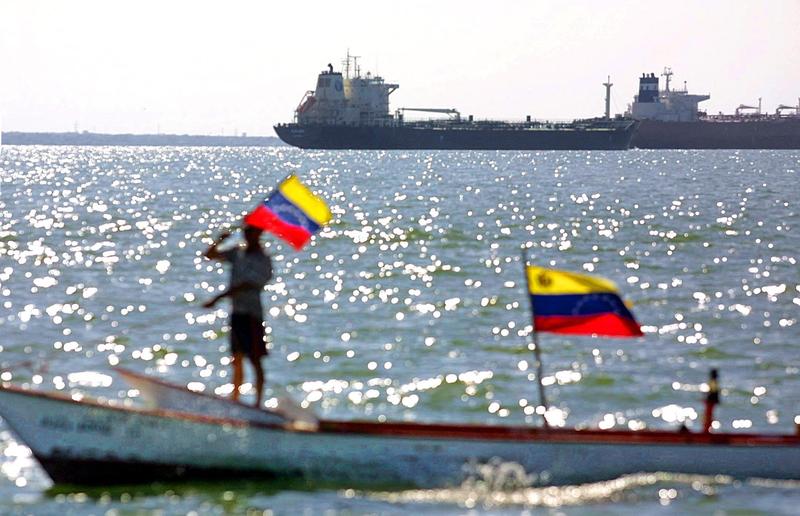 The decision taken by the group of oil producers OPEC+ after the US intervention in Venezuela
Venezuela has a debt twice its GDP
Analysts estimate that Venezuela has about $60 billion in unpaid bonds. However, total foreign debt, including PDVSA obligations, bilateral loans and arbitration awards, amounts to about $150 billion to $170 billion, depending on how accrued interest and judgments are calculated, according to analysts.
The International Monetary Fund estimates Venezuela's nominal GDP at around $82.8 billion for 2025, which translates to a debt-to-GDP ratio of between 180% and 200%.
A PDVSA bond originally due in 2020 was secured by a majority stake in US refinery Citgo, which is ultimately owned by Caracas-based PDVSA. Citgo is an asset now at the center of creditors' court efforts to recover value.
Many debts went to “vulture” funds
Years of sanctions, including a ban on trading Venezuela's debt, have made it difficult to track down those who hold those bonds.
The bulk of commercial lenders are likely to be international bondholders, including non-performing debt companies, also known as “vulture” funds.
Creditors include a group of companies that were awarded compensation through international arbitration after their assets were expropriated by Caracas.
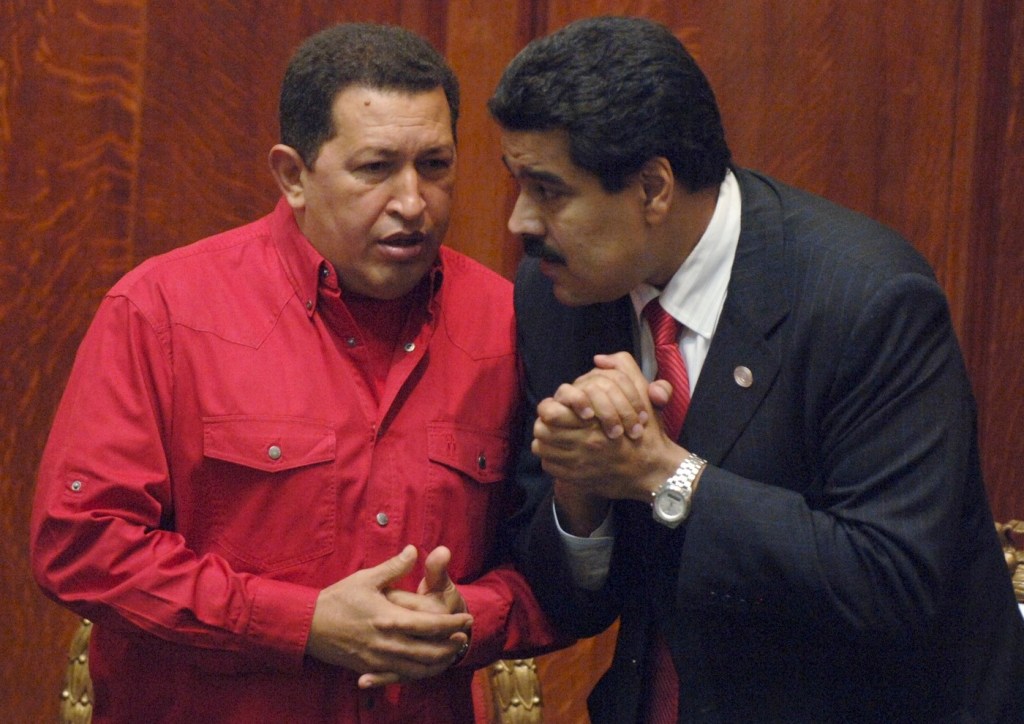
Caracas also has bilateral creditors, mainly China and Russia, which have extended loans to both Maduro and his mentor, former President Hugo Chavez.
Exact figures are difficult to verify because Venezuela has not published comprehensive debt statistics for years.
A restructuring solution could come from the IMF
Given the multitude of claims, legal proceedings and political uncertainty, a formal restructuring is expected to be complex and lengthy.
A sovereign debt settlement could be anchored in an IMF program that would set fiscal targets and debt sustainability assumptions. However, Venezuela has not had an annual consultation with the IMF for nearly two decades and remains excluded from Fund financing.
US sanctions are another obstacle. Since 2017, restrictions imposed by both Republican and Democratic administrations have severely limited Venezuela's ability to issue or restructure debt without explicit licenses from the US Treasury.
It is not clear what will happen to the US sanctions. For now, President Donald Trump has said the US will “rule” this oil-producing country.
How much could be recovered from the bonds
Many of the bonds issued by Venezuela and its companies are currently trading between 27 and 32 cents on the dollar, according to MarketAxess data.
Citigroup analysts estimated in November that a principal reduction of at least 50% would be needed to restore debt sustainability and meet potential IMF conditions.
Under Citi's baseline scenario, Venezuela could offer lenders a 20-year bond with a coupon of about 4.4 percent, alongside a 10-year zero-coupon bond to offset outstanding interest.
Using an 11 percent yield assumption, Citi estimates the net present value of the package at about 45 cents on the dollar, with recoveries that could increase to 49 cents if Venezuela distributed additional financial instruments, such as oil-related ones.
Other investors estimate a wider margin. Aberdeen Investments estimated in September that it had initially assumed recoveries of around 25 cents on the dollar for Venezuelan bonds, but that improving political scenarios and sanctions could lift recoveries to 30-35 cents, depending on the structure of any deal and the use of oil- or GDP-linked instruments.
 Oil, the “curse” of dictators in Venezuela
 Who are Nicolas Maduro's allies who have remained in power in Venezuela. Behind the unity front the first cracks appear
Photo: Nikolai Grigorev | Dreamstime.com