A new 'Silicon Valley' emerging in China aims to upend the global race to bring artificial intelligence to the physical world

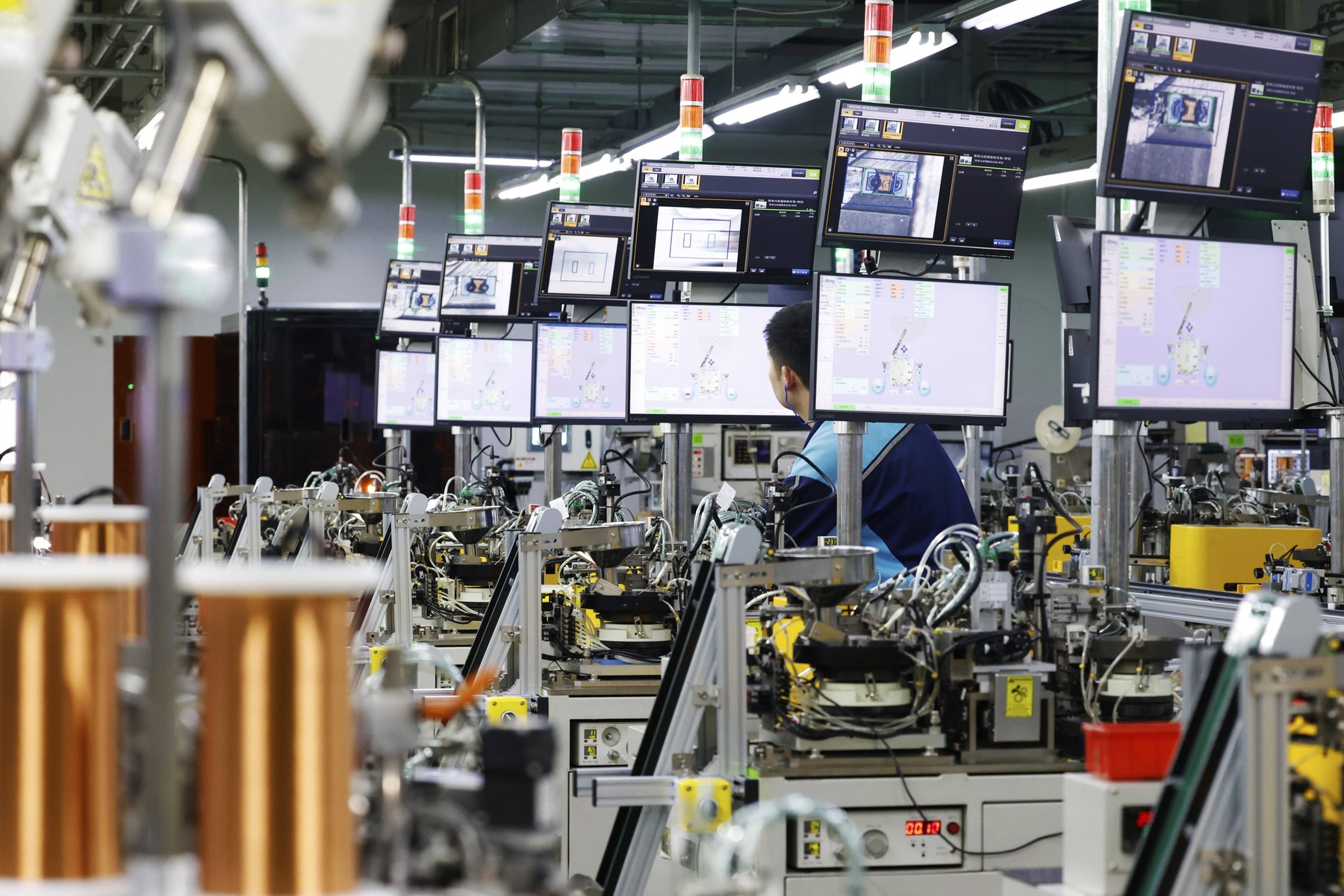
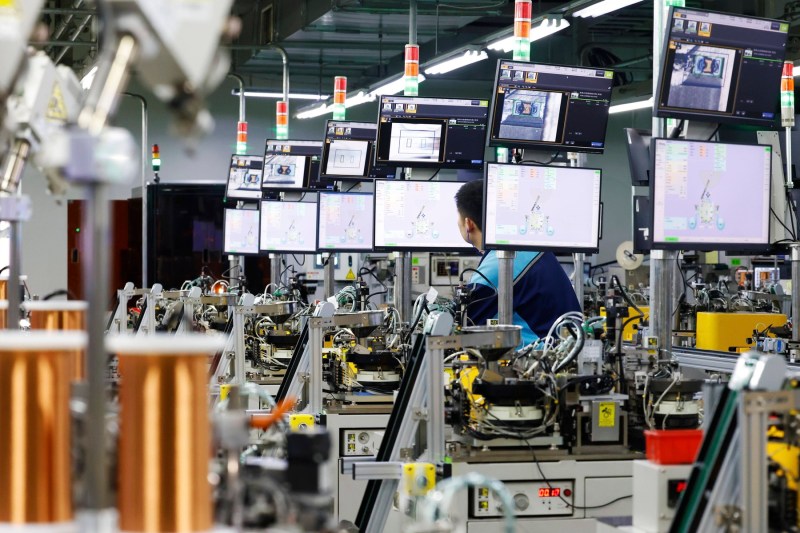
Worker in an electronic components factory in the Chinese city of Hangzhou, PHOTO: CFOTO / Imago Stock and People / Profimedia
The Chinese city of Hangzhou is experiencing an accelerated transformation into a major artificial intelligence hub. On the one hand, tech giants and local startups are developing advanced chips, robots and brain-computer interfaces. On the other hand, independent entrepreneurs are launching applications such as AI pets, emotional counseling applications or even digital divination platforms, reports financial television CNBC, quoted by News.ro.
Located on the country's southeast coast, Hangzhou is trying to redefine its economic and technological identity, and its efforts have already earned it the nickname China's “Silicon Valley” – a title traditionally associated with the city of Shenzhen.
But a year after the emergence of DeepSeek, which attracted global attention, Hangzhou's local AI ecosystem reflects both international ambitions and increasingly intense domestic competition.
The Race for 'Physical AI' in China
Both China and the United States are investing heavily in what is considered the next frontier of artificial intelligence: physical applications. From autonomous robots and driverless cars to simulating real-world phenomena such as climate change, companies are developing so-called “models of the world.”
Beijing has included “embodied intelligence” among the priorities of its upcoming five-year plan. In Hangzhou, companies such as Manycore, Unitree and Deep Robotics – part of the group of startups known as the “six little dragons” – are preparing for stock market listings in Hong Kong or on China's domestic markets.
Unlike large linguistic models trained on data from the internet, AI for the physical world requires additional information – such as weight, texture, temperature or the force required to manipulate objects. Victor Huang, who co-founded Manycore after working as a software engineer at the American giant Nvidia, says that using artificial intelligence to calculate this data significantly speeds up the development process.
Huang points out that although the latest generation chips are more energy efficient, China enjoys a competitive advantage through lower electricity costs. Also, locating data centers in cooler regions and using “cleaner” data sets can reduce the consumption of computing resources.
Manycore has chosen to offer its spatial intelligence model open-source, an approach commonly seen in China, as opposed to the paid models promoted in the US by companies such as OpenAI. The strategy helps to collect feedback quickly, but limits direct revenue, which creates pressure from investors.
An alternative AI scene is taking shape
In parallel with the efforts of big players like Alibaba, a more experimental and relaxed AI culture is developing in Hangzhou. The suburb of Liangzhu has become a hub for unconventional projects, where developers create apps for fitness, personal organization or emotional support.
An entrepreneur recently established in the area is working on an AI application based on traditional Chinese divination tools, banking on the technology's ability to respond to the emotional needs of users. The low costs and lack of commercial pressure make Liangzhu an attractive environment for innovation: with a minimal budget, founders can quickly leave with a working prototype.
This effervescence attracted the attention of investors, and local “Demo Day” events grew from informal meetings to regional gatherings. Many startups are now targeting foreign markets, both because of fierce competition in China and the reluctance of local consumers to pay for apps.
Observers warn, however, that not all initiatives are substantial. Some companies add AI functions more as a marketing gimmick with no real value, a phenomenon described as “poor physical AI”.