Tourism can be more costly – both for the tourist and for the places visited.
Some regions impose fees on tourists to raise revenue, fund local services or even cope with overcrowding. For example, New Zealand charges a tourist tax to protect the environment.
Some taxes are collected as an entry fee, others are added to the cost of accommodation. Regardless of their form, they are increasingly being introduced as a way to manage overtourism and compensate for the negative impact that tourists have on popular places.
If you are planning a trip in 2026, prepare: several destinations will have new or higher tourist taxeswhich may make trips slightly more expensive than before.
Below are five places where visits may be slightly more expensive next year than in 2025.
Read also in BUSINESS INSIDER
Edinburgh, the first city in Scotland to introduce a tourist tax, will charge a 5% tax. from hotel stays
Edinburgh
| Geert Smet / Shutterstock
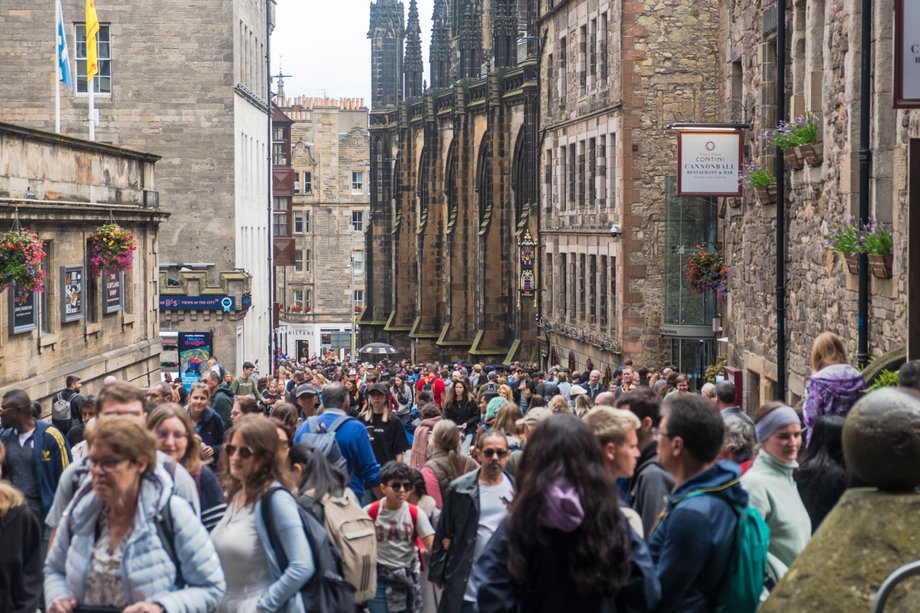
Tourists who visit Edinburgh after July 24, 2026, They will have to pay an additional fee of 5 percent accommodation costs for the first five nights of your stay.
The City of Edinburgh Council said the levy aims to raise funds that will “maintain Edinburgh's status as one of the world's great cultural and heritage cities”.
Each year, Edinburgh's summer festivals – the Edinburgh International Festival, the Edinburgh Festival Fringe and the Royal Edinburgh Military Tattoo – attract millions of visitors.
The city council announced that the visitor fee is expected to generate up to £50 million annually (approx. PLN 241 million) by 2029, and the revenues will be allocated, among others, to: to improve urban infrastructure and manage tourist traffic.
Accommodation in Kyoto will also become more expensive due to the lodging tax
Kyoto
| Mirko Kuzmanovic / Shutterstock
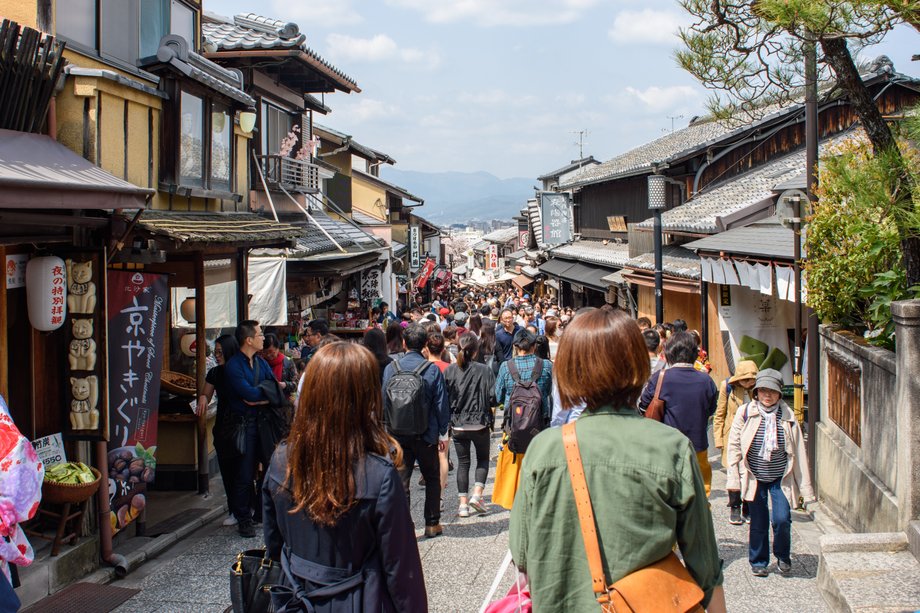
Tourists love Kyoto for its ancient temples, pagodas and cherry blossoms. However, from the beginning of next year, staying in this Japanese city will become more expensive.
See also: I spent a week in Japan and made financial mistakes. Six things I would do differently
After March 1st visitors to Kyoto will have to pay higher taxes on overnight stays throughout the city.
The tax depends on the accommodation price per night:
rooms costing less than PLN 6,000 yen, i.e. approx. PLN 137, will still be subject to a tax of 200 yen (approx. PLN 5),
while the tax on rooms costing over PLN 6,000. up to 20 thousand yen per night will double to 400 yen (approx. PLN 9).
The largest increases will apply to higher-end facilities:
rooms costing from PLN 50,000 up to 100 thousand yen per night (approx. PLN 1,145–2,290) will see their tax increase from PLN 1,000. up to 4 thousand yen (approx. PLN 23–92),
and in the case of rooms costing over PLN 100,000. yen tax will increase tenfold to 10,000. yen (approx. PLN 229).
The Kyoto authorities estimate that the revised tax will generate 12.6 billion yen annually (approx. PLN 288 million).
Tourist tax on stays in five-star hotels in Barcelona can double
Barcelona
| muratart / Shutterstock
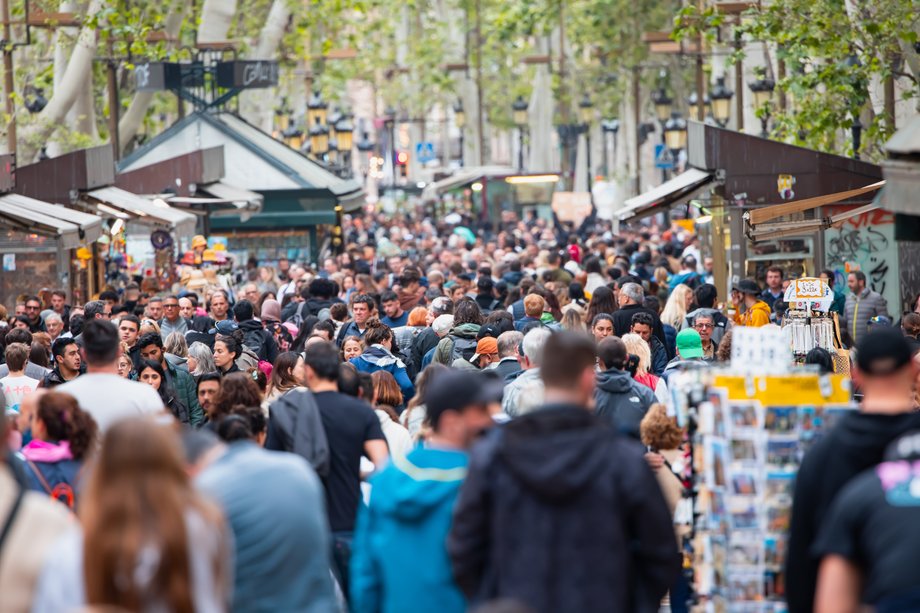
Barcelona is one of the most visited cities in Europe, famous for its extraordinary architecture and city beaches.
Tourists staying in five-star hotels and other luxury accommodation facilities in the city currently pay a regional tourist tax of EUR 3.50 per night (approx. PLN 15).
However, under Catalonia's revised tax rules, this regional fee for luxury accommodation in Barcelona is to be doubled to 7 euros (approx. PLN 30).
The increase was originally supposed to come into force in 2025, but the government of Catalonia has delayed its implementation until at least April 2026.
The measure comes amid growing anti-tourism sentiment in Spain. In the summers of 2024 and 2025, Barcelona hosted protests against overtourism and the rising cost of living.
Thailand is set to introduce an entry fee for tourists in the coming year
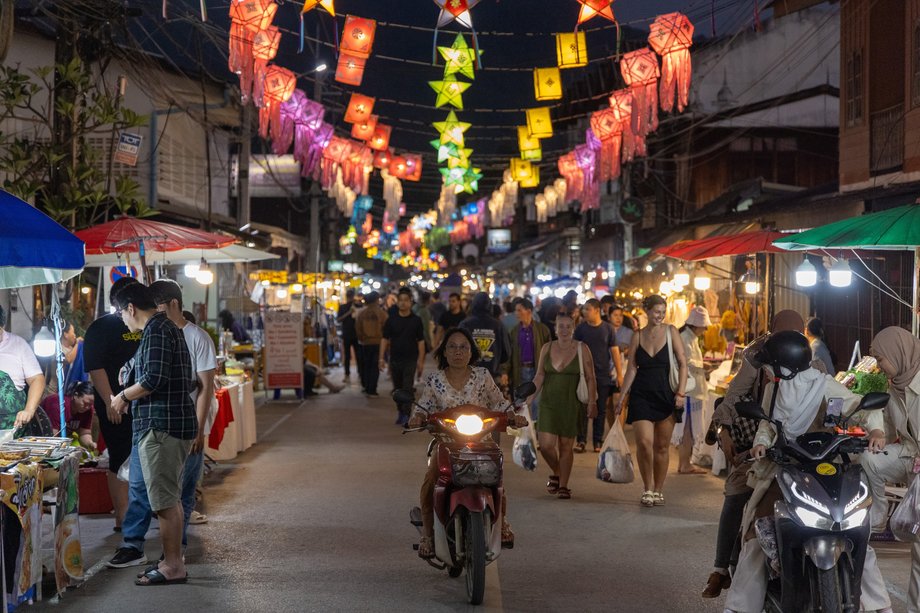
Night market in Thailand
| goran_safarek / Shutterstock
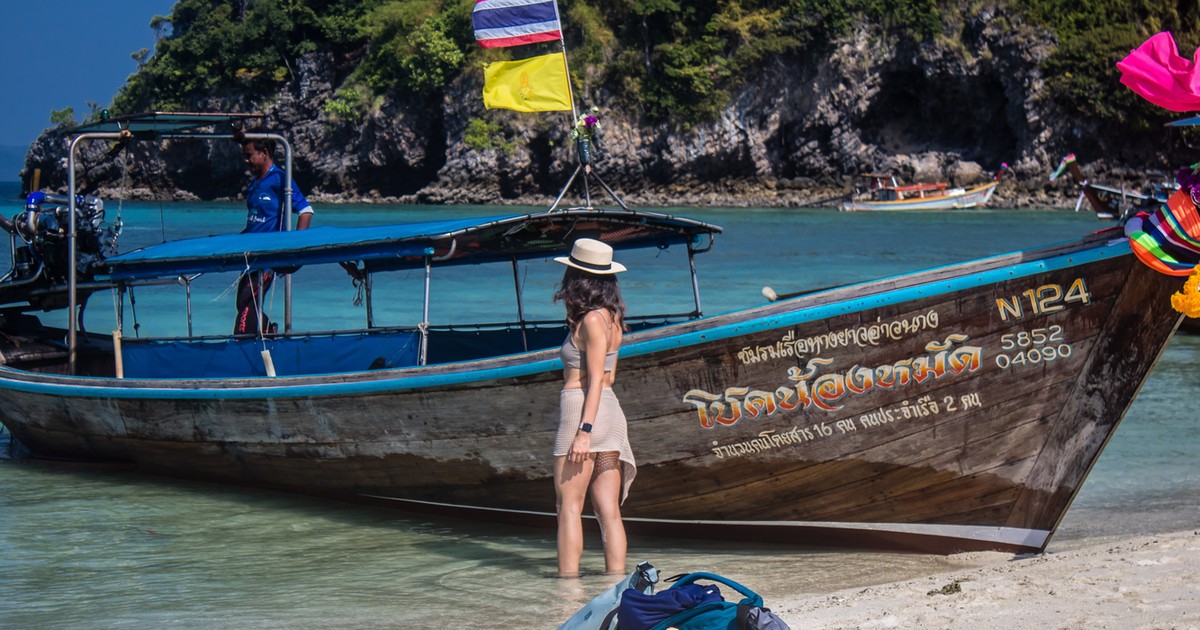
In 2023, the Thai government has tentatively approved an entry fee of 300 baht (approx. PLN 34) for tourists arriving by plane and half of this amount for those arriving by land or sea.
The levy was due to be introduced in 2025 but has been repeatedly postponed, partly due to weaker tourism performance.
The number of tourist arrivals from the beginning of the year to December 21 decreased by 7.25%. compared to the same period a year earlier, according to data from the Thai Ministry of Tourism and Sports.
International tourism has long been a mainstay of the Thai economy, drawing visitors to temples, islands and elephant treks.
EuroNews reported a fee of 300 baht is scheduled to be introduced in mid-2026.
Norway's regions will start charging a 3% accommodation tax
Tromso
| Saskia B / Shutterstock
The Norwegian government has introduced a law that gives municipalities the option to impose a 3 percent tax on tourist accommodationincluding both cruises and accommodation.
The tax will come into force in 2026. It will not be automatically introduced in all municipalities — cities affected by tourism must apply for its implementation.
Municipalities such as Lofoten and Tromsø, known for their northern lights, have already decided to introduce this fee.
Unlike Thailand, Norway will experience a tourism boom in 2025. June, July and August set records for overnight stays, totaling around 17.7 million tourist nights over the summer, according to Norwegian tourism statistics.
The above text is a translation from the American edition of Business Insider
I’m Ashley Davis as an editor, I’m committed to upholding the highest standards of integrity and accuracy in every piece we publish. My work is driven by curiosity, a passion for truth, and a belief that journalism plays a crucial role in shaping public discourse. I strive to tell stories that not only inform but also inspire action and conversation.