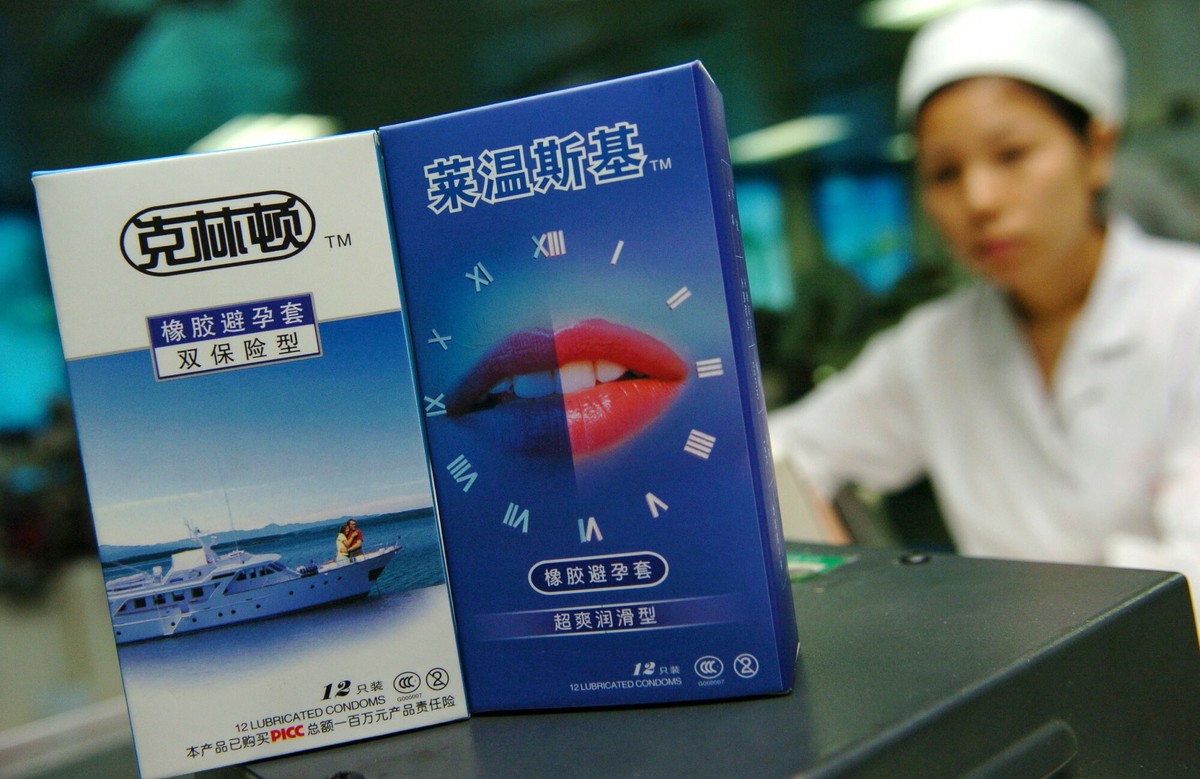
Since the beginning of the year, condoms and birth control pills in China are now subject to a VAT rate of 13%, the standard rate for most consumer goods.
The move comes as Beijing grapples with low fertility in the world's second-largest economy. China's population fell for a third straight year in 2024, and experts warn the trend will continue.
Last year, China exempted child care subsidies from income tax and introduced an annual child care subsidy, following a series of “birth-friendly” measures in 2024, such as urging universities to provide “love education” designed to present marriage, love, fertility and family in a positive light.
Read also: A worst-case scenario for Poland. We are facing a demographic implosion
China is fighting for children
Top leaders recommitted last month at the annual Central Economic Work Conference to promoting “positive attitudes towards marriage and childbearing” to stabilize birth rates.
Birth rates in China have been falling for decades as a result of the one-child policy, in effect from 1980 to 2015, and rapid urbanization.
High costs of childcare and education, as well as job insecurity and an economic slowdown, discourage many young Chinese from getting married and starting families.
The problem of Asia
Tax changes may not be enough to encourage residents to have more children, as the decline in the number of births is a broader cultural trend, also visible in South Korea and Japan, for example.
China is one of the countries in the world where raising a child is associated with the highest costs – according to the report of the YuWa Demographic Research Institute in Beijing for 2024. These costs are higher due to high school fees and the difficulties of many women in combining professional work with child care.
Henrietta Levin from the Washington think tank Center for Strategic and International Studies (CSIS) pointed out that the implementation of government plans may also be hampered by the fact that a significant part of the costs related to the new demographic policy would be borne by the indebted authorities of Chinese provinces.