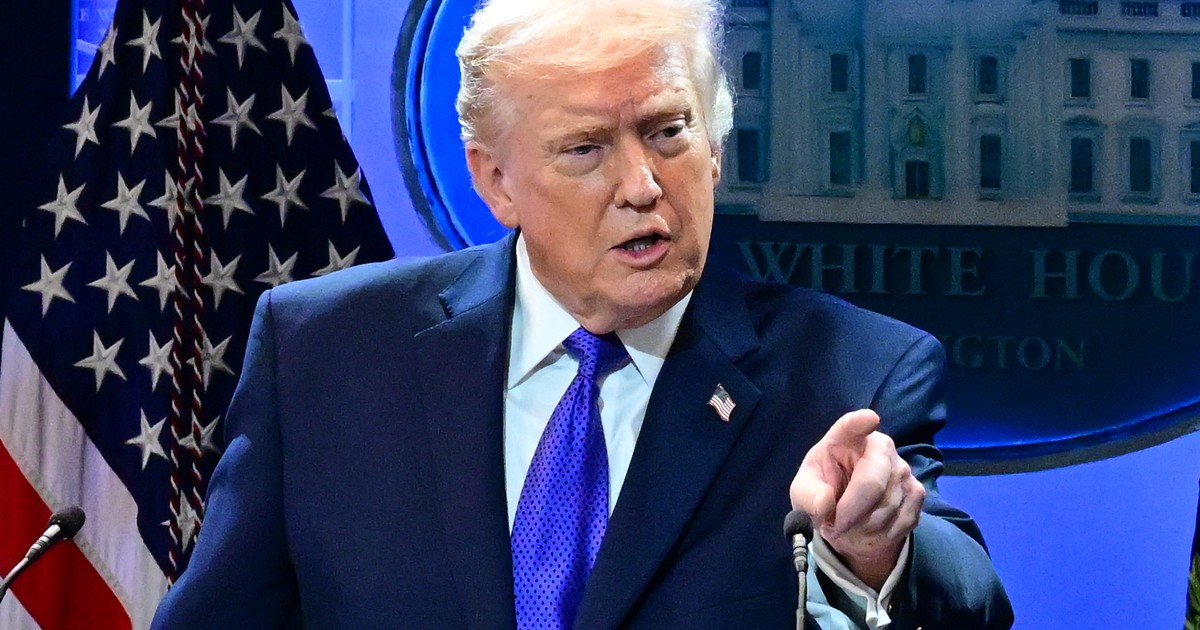
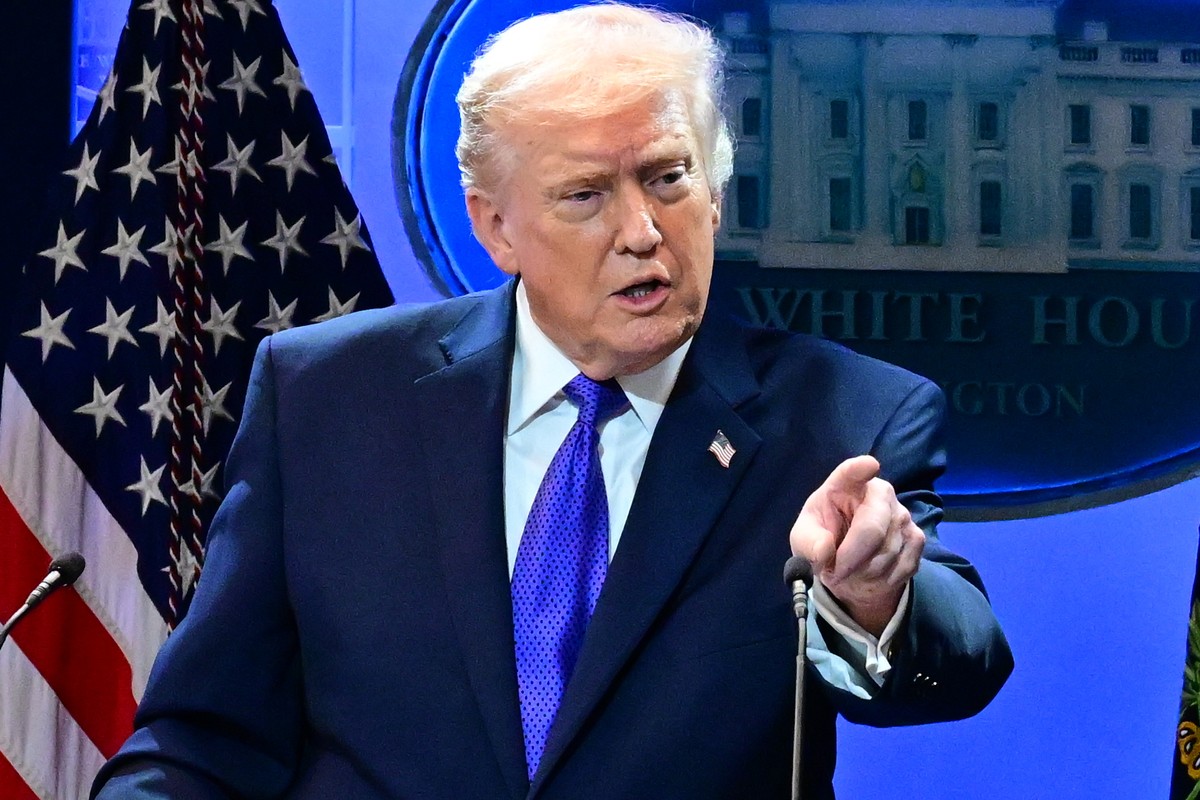
The study, which ended Tuesday, shows that Trump's overall approval rating increased to 44 percent, up from 42 percent previously.
The rest of the text below the video
Read also: This is how much fuel may cost. The worst-case scenario is coming true
At the same time, the percentage of people those who assessed the president negatively dropped from 53%. up to 52 percent
Opinions about the economy and immigration in the USA
The poll shows that many Americans are still critical of the president's actions in the economic sphere. 52 percent respondents declare disapproval of his economic policy, and 39 percent supports her. Despite this, the level of support on this issue increased by three percentage points compared to the survey conducted at the end of April.
An increase in ratings was also noted in the ratings migration policy. Support for Trump's actions in this area increased from 45%. up to 47 percent within two weeks.
Despite the improvement, the results are present President Trump's approval ratings are still lower than at the beginning of his second term, when his approval rating was around 47%.
Analysts point out that the change in mood may have been influenced by the Trump administration's recent decisions regarding trade policy. In recent weeks, the White House has relaxed some of the most criticized regulations, including: announcing a reduction in tariffs against China. The policy pursued by the White House may affect the results of the November midterm elections in the USA, where representatives to part of Congress will be elected.
Read also: NBP core inflation. What will the Monetary Policy Council do after such data?
Controversy surrounding the actions of the Donald Trump administration
However, some of the president's actions are still criticized by political opponents. This includes, among others: plans to reduce employment in the federal administration and the idea of accepting a private plane as a gift from the royal family of Qatar.
Experts also emphasize that despite recent trade decisions, financial markets remain cautious and expect further agreements on customs duties that could bring greater stability to global trade.