How US intelligence helped Ukraine target the Achilles heel of Russian energy infrastructure


The CIA secretly helped Ukraine target certain crucial components of Russia's oil refining infrastructure, as well as, more recently, Russia's shadow fleet that evades sanctions, according to a NYT article devoted to the US-Ukraine relationship over the past year.
Even as Washington withdrew support for Kiev's war effort under the Trump administration, it emerged that US military and intelligence officials continued to seek new ways to throttle Vladimir Putin's war machine.
Beginning in June, the CIA, with Donald Trump's blessing, covertly provided specific information to bolster Ukraine's air offensive against Russian oil refineries, the NYT reported, citing officials.
The intervention came amid Trump's growing frustration with Putin's reluctance to negotiate peace as Russian forces stepped up attacks on Ukrainian cities.
Since the start of the war, the US has been sharing information with Kiev aimed at supporting attacks on Russian military targets in occupied areas of Ukraine and providing warnings about Russian missiles and drones heading towards Ukraine.
Under pressure from White House skeptics about aid to Ukraine, led by Vice President JD Vance, Trump froze military aid in March and intelligence sharing was also suspended.
According to the NYT, the CIA meanwhile lobbied hard for the agency to continue sharing information with Kiev.
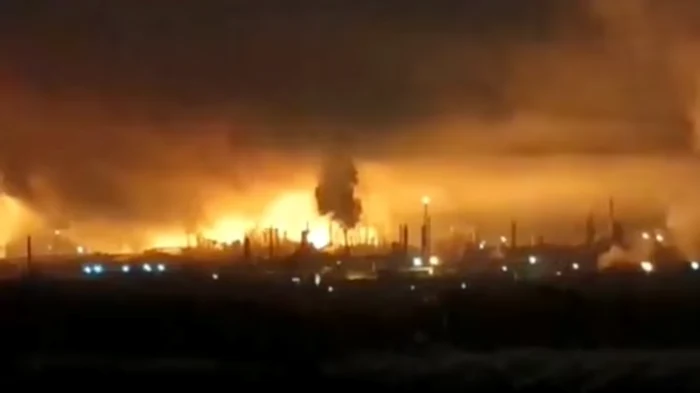
Before the summer, the impact of Ukrainian attacks on Russia's energy infrastructure — which often affected storage facilities or structures that could be brought back into service relatively quickly — had been relatively minimal.
Then, as a result of a new plan, developed by the CIA and the US military, the campaign of attacks focused exclusively on oil refineries, specifically targeting certain vulnerabilities in them.
Thus, a CIA expert identified a coupling device so difficult to replace that it could shut down a facility for weeks.
These targeted attacks were so successful that Russian oil refining was cut by as much as a fifth on some days, reducing exports and leading to fuel shortages.
According to US intelligence, the damage created cost the economy about $75 million a day.
Russia's shadow fleet, the target of a Ukrainian campaign
Trump praised the attacks for the leverage and deniability they gave him, while Putin continued to obstruct negotiations, according to the sources.
For the first time, in October, the American press reported that Washington was closely involved in planning such attacks, but there was no information that the CIA would take part in directing the Ukrainian campaign or help identify specific weaknesses in Russia's energy infrastructure.
In late November, Ukraine also launched a maritime campaign against Moscow's shadow fleet, a clandestine network of hundreds of vessels carrying sanctioned oil to keep the Russian economy afloat.
Kiev has targeted these ships with long-range naval drones, thus opening a new front in the war to cut off Russia's most important source of funding and strengthen its position at the negotiating table.
According to U.S. and Ukrainian officials, the CIA has been authorized to assist Kiev's military in these efforts, despite the risk of angering the Putin regime in doing so.
It is unclear when such assistance was approved by the Trump administration.