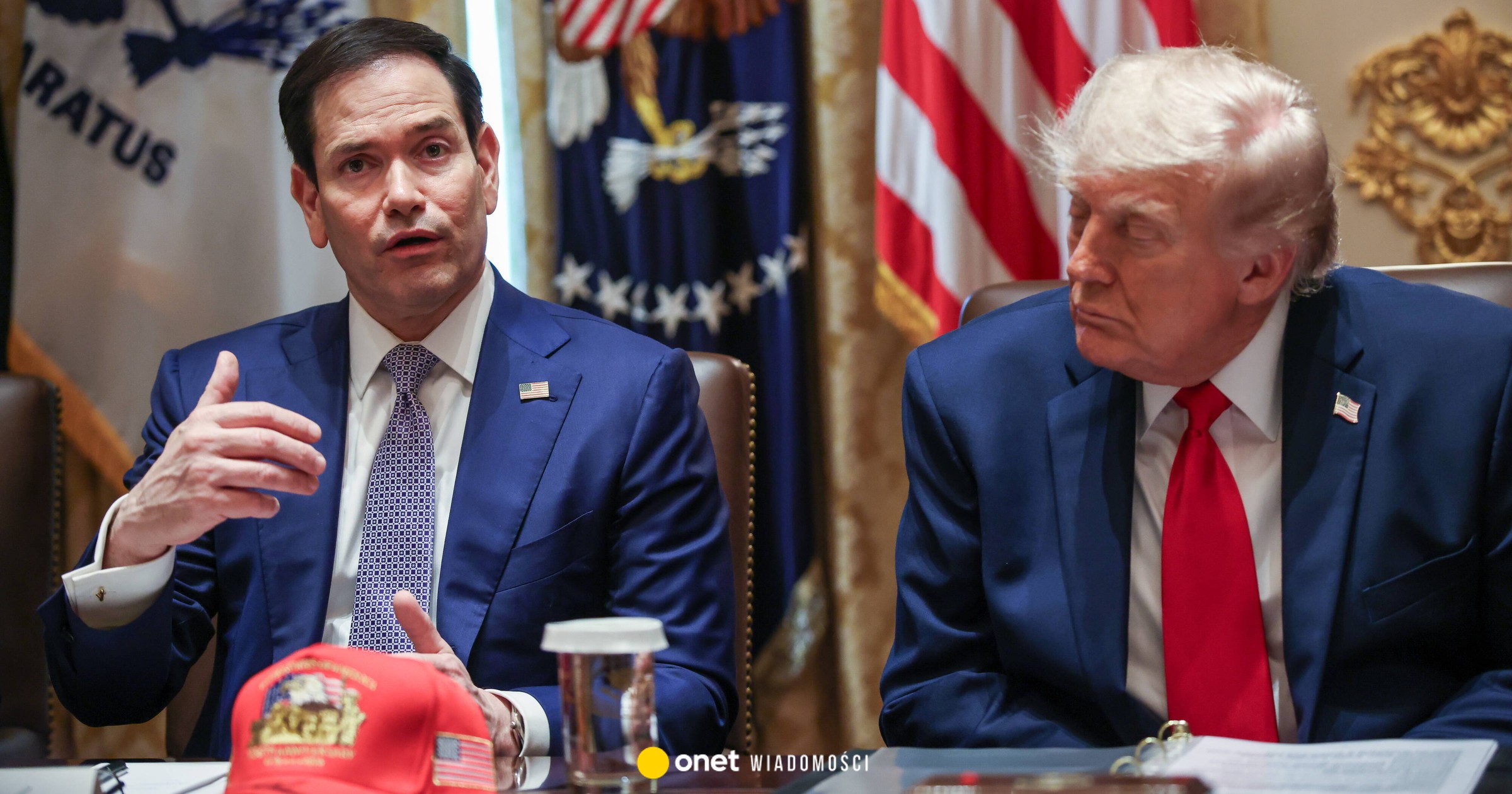
How Trump disappointed Europe. Former ambassador to NATO: there is one way out

Denial, anger, bargaining, depression and acceptance.
Since US President Donald Trump's return to the White House, Europe has slowly but surely gone through five stages of mourningtaking a whole year to finally accept loss of transatlantic relations.
The question for 2026 is: does the bloc have the will and strength to turn this acceptance into real action?
Trump's re-election and inauguration meant end of Pax America — a period lasting over 75 years in which the United States was the undisputed leader of the free world, and successive presidents and administrations in Washington treated relations with Europe as the basis for America's global involvement.
It was clear that Trump would end this era and instead adopt a narrow, regionally focused “America First” policy. [Najpierw Ameryka]. But few in Europe believed this would really be the case.
During a mid-December 2024 lunch attended by a dozen NATO ambassadors, diplomats one by one stated that it would be enough to slightly increase European defense spendingand everything will be fine. When I suggested that they were reluctant to see how fundamental the change would be, one of them turned to me. — You don't seriously believe that the United States will no longer see its security as tied to Europe's security, do you? he asked.
Europe put to the test
But shortly thereafter, Europe's refusal to accept the fundamental transformation that Trump's re-election would entail was put to the test by a series of events that took place in February.
During his first NATO meeting, new Defense Secretary Pete Hegseth told his colleagues that Europe must “take responsibility for conventional security on the continent.”
Then Trump and Russian President Vladimir Putin agreed that the United States and Russia would be negotiate an end to the war in Ukraine — without the participation of Ukraine and Europe. This was followed by a speech by Vice President J.D. Vance at the Munich Security Conference. He said that the greatest threat to Europeans is not Russia or China, but “an internal threat, Europe's departure from some of its most fundamental values.”
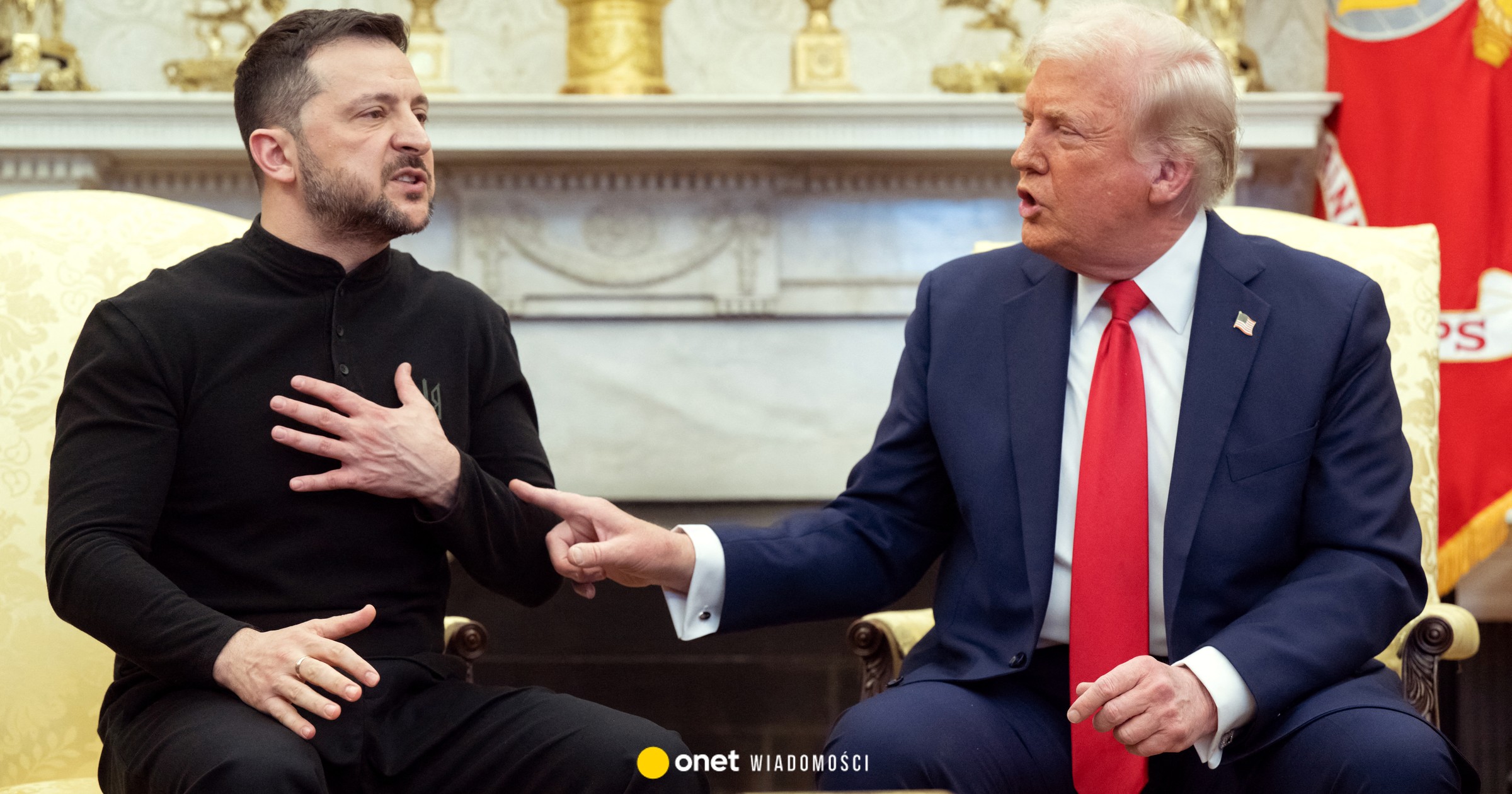
Finally, at the end of the month, Trump and Vance confronted Ukrainian President Volodymyr Zelensky in the Oval Office, live on television. “You don't have the cards,” Trump exclaimed, criticizing Ukraine for failing to end a war it didn't start and ignoring the fact that Ukrainians had valiantly held off pressure and occupation from a much greater enemy for more than three years.
So by late February, Europe's denials turned to anger.
Months of embarrassment
When I met with the foreign minister of a major ally a few days after the Munich conference, this longtime supporter of the United States seemed depressed. – You stabbed us in the back. “You're leaving us alone with Russia,” he shouted.
But the anger only lasted for a while, and over the next few months the block moved on negotiations. Key European leaders convinced Zelensky to forget about the Oval Office confrontation and tell Trump he was fully committed to the peace process. Europe then joined Ukraine in supporting an unconditional ceasefire — as Trump had demanded.
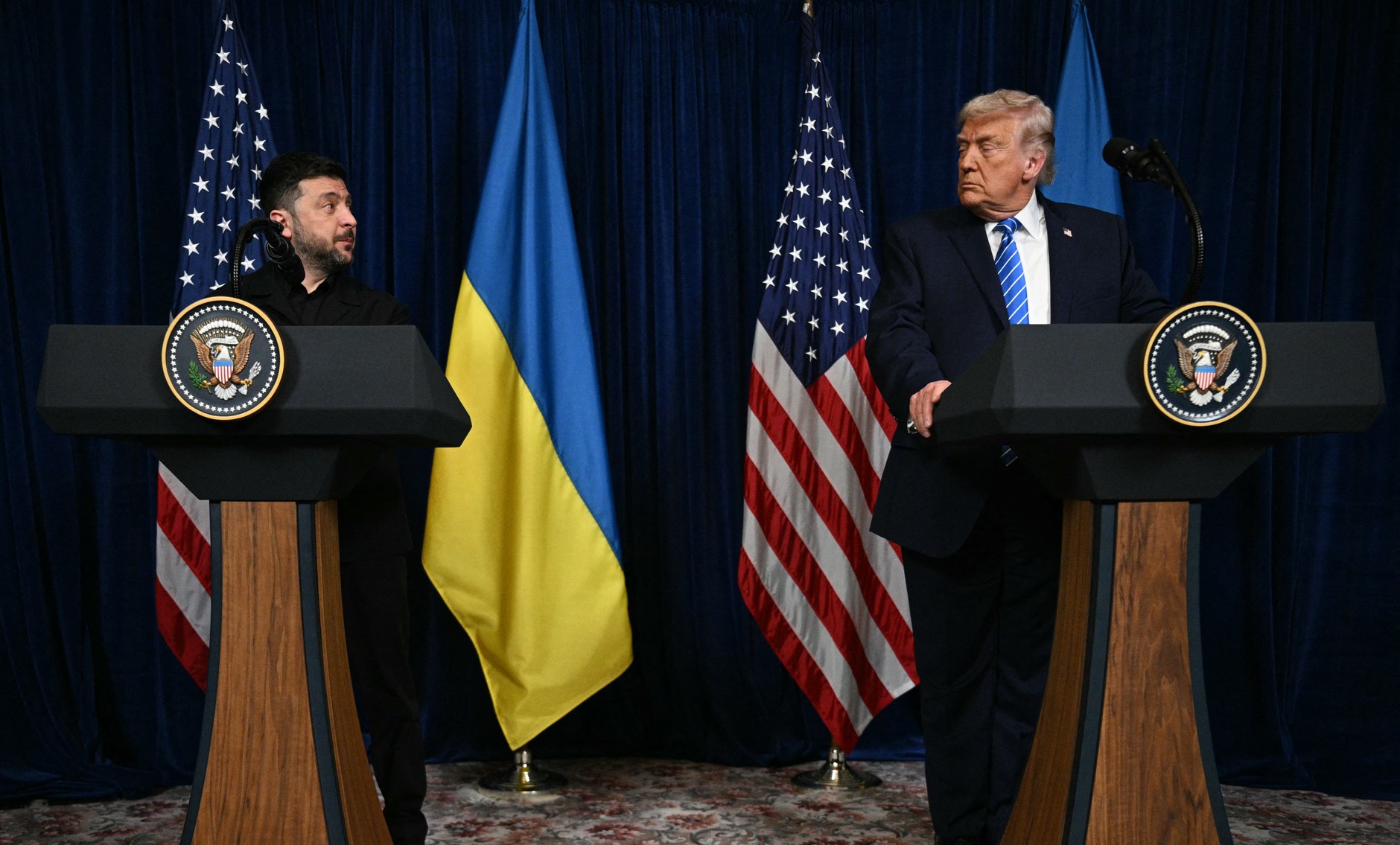
Meeting of Volodymyr Zelensky and Donald Trump, December 28, 2025.JIM WATSON / AFP
In April, Trump announced “Liberation Day” tariffs that hit allies just as hard as non-allies. Britain and the EU moved quickly to negotiate deals that would reduce rates from an initial level of 25%. or more.
In June, NATO leaders even agreed to increase defense spending to 5%. GDP, as Trump insisted.
Agreements with Russia
Europe's negotiations on Ukraine, trade and defense have given Trump the victories he has long craved. However, it quickly became clear that no matter how great these victories were and how flattering the compliments were, the US president simply took them and moved on, disregarding transatlantic relations.
In August, Trump returned to direct contacts negotiations with Putin on the fate of Ukraine – during the Alaska summit, on the red carpet. And although he flew to the meeting promising “serious consequences” if the Russian leader did not agree to a ceasefire, he left accepting Putin's position that the war could only end if there was a fully agreed peace deal.
A few days later, as many as eight European leaders flew to Washington to persuade Trump to change course and get Russia to accept a ceasefire. And while it worked to some extent, most leaders left Washington deeply depressed. No matter what, when it comes to Ukraine, an issue that Europeans consider existential to their security, Trump simply was not on the same page.
Ultimately, it's publishing new US national security strategy in early December proved too difficult to accept – even for the most ardent supporters of transatlantic relations in Europe.
Collapse of relations
This strategy not only criticizes the continent for allegedly leading to the “disappearance of civilization,” but also clearly emphasizes that both Trump and his administration view Russia completely differently than Europe.
There is no longer any mention of Moscow as military threat. Instead, the United States seeks to return to “strategic stability” with Russia, even offering itself as a mediator between Russia and Europe on security issues.
An ally just doesn't say things like that or act like that.
So, after a long year, Europe has come to terms with the reality that the transatlantic relationship it has long known and relied on no longer exists. “The decades of Pax Americana are largely over for us in Europe and also for us in Germany,” German Chancellor Friedrich Merz said earlier this month. “Americans are now very aggressively pursuing their own interests. And that can only mean one thing: that we, too, must now pursue our own interests.”
All we can do is wait to see if Europe does so. Opinions are still very divided on this issue.