Banks with record profits. They finance the debt of the State Treasury more than the growth of the economy

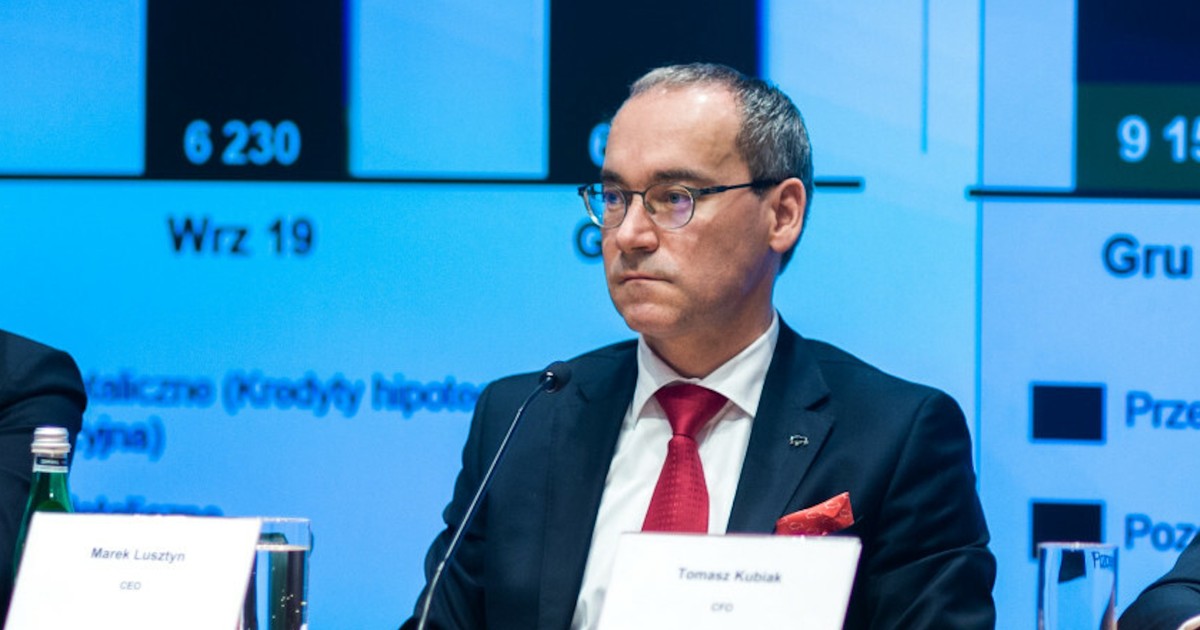
According to Marek Lusztyn, the Polish banking sector will end 2025 with impressive financial results. However, he points out that this success is mainly based on a high interest margin, excess liquidity and the growing share of treasury bonds in banks' portfolios. Simultaneously the level of lending to the non-financial sector remains low, and bank assets in relation to GDP are among the lowest in the European Union.
The rest of the article is below the video
“From the point of view of financial stability, this is a comfortable situation – banks are well capitalized and liquid, showing resistance to shocks,” he emphasizes. However, he adds that “the current model favors financing the debt of the State Treasury rather than financing the growth of the economy“.
See also: This is a big change for savers. There will be a new type of deposit
High share of treasury bonds, growing legal risk and corporate income tax increases limit the sector's ability to further increase lending in the coming years.
Record results of banks and ownership changes
The net profit of the banking sector is expected to amount to PLN 40.5 billion in 2025, which means an increase of 14.6%. year to year. Return on equity exceeded the EU average, which was not achieved in 2017-2023.
See also: 2026 will change the rules of the game. Polish companies must dare to operate in a world full of uncertainty
Marek Lusztyn pointed out that in 2025 there was also a breakthrough in the field of acquisitions after a decade of stagnation in the ownership structure. Examples include transactions in which VeloBank takes over the retail part of Citi Handlowy, and the Austrian Erste group enters the Polish market through the acquisition of Santander Bank Polska.
The condition of banks. The impact of monetary policy and digitalization
In 2025, the Monetary Policy Council reduced the NBP reference rate to 4%. after a series of six cuts totaling 175 basis points. Despite this, thanks to effective interest rate risk management and hedging strategies, the sector's interest margin remained high. Banks also faced rising employee costs, which were partially alleviated by digitization and process automation.
According to the expert, 2026 will be a “maturity test” of the banking sector and a test of whether Poland can use the current period of high profits not only to improve the state budget, but also to build the foundations of long-term economic growth.
From the beginning of the new year, regulations will come into force increasing the bank income tax rate to 30%. in 2026, 26 percent in 2027 and 23 percent from 2028