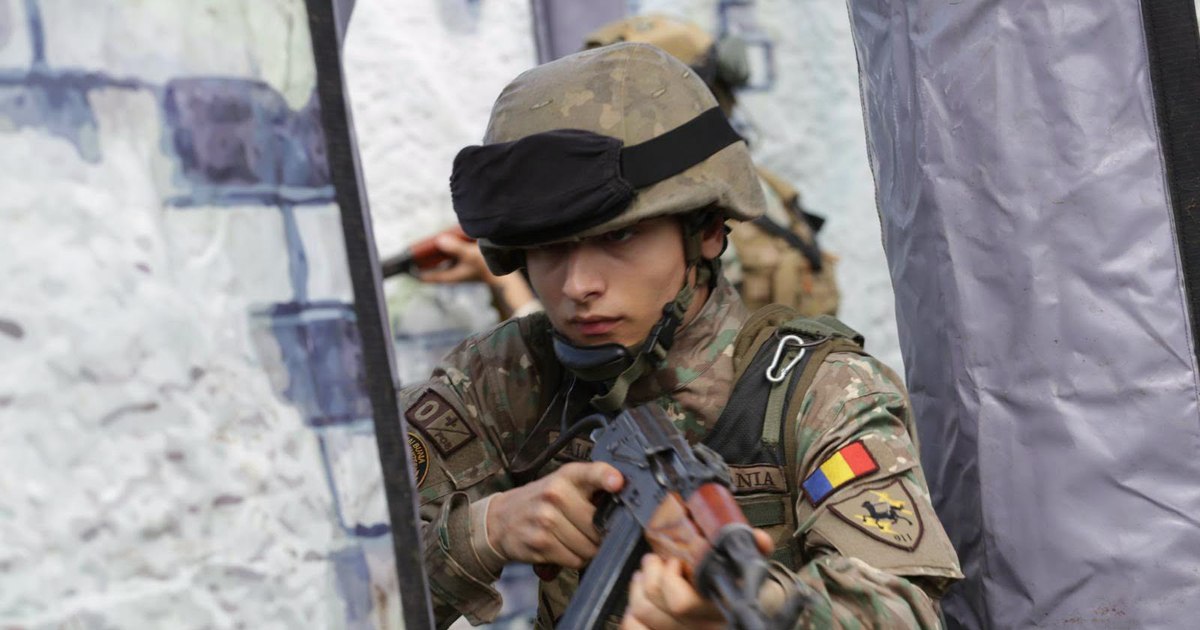
Turkey is warning that repeated violations of its airspace by Russian drones could lead to severe measures, including major restrictions on maritime trade in the Black Sea.
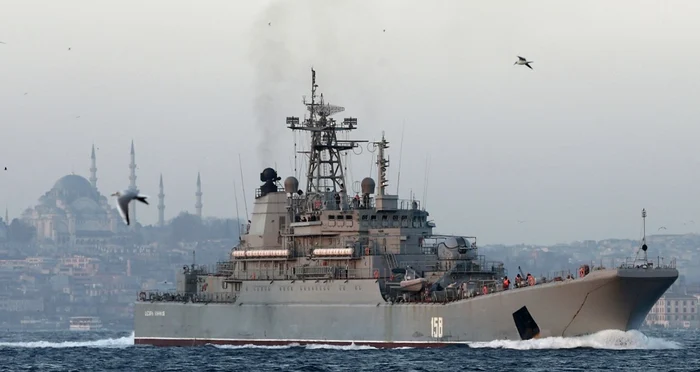
Turkey threatens to close the Bosphorus and Dardanelles straits for Russian ships/PHOTO: Archive
Tensions have risen in recent weeks after Turkish authorities shot down several Russian drones that had trespassed near sensitive targets, including defense facilities and areas near Istanbul.
Ankara conveys that, in the absence of corrective actions from Moscow, these incidents could be treated as direct threats to national security, informs euromaidanpress.com.
Increasing military activity in the Black Sea
The escalation comes amid diminishing Russian control over the Black Sea as a result of Ukraine's increasingly effective use of naval drones. These have affected Moscow's ability to protect its fleet and trade routes.
In response, the Russian military has stepped up its use of reconnaissance and attack drones across the Black Sea region, with the aim of restoring its surveillance capability and protecting remaining strategic assets, including oil tankers of the so-called “ghost fleet”.
Suspicious drone discovered in Romania
Concerns about the expansion of Russian operations into NATO space have been amplified recently, after a drone equipped with a parachute and a possible explosive device was found in a forest in Romania.
The Romanian authorities estimate that the device, with a wingspan of approximately two meters, would have been used to monitor NATO objectives or to monitor military aid shipments to Ukraine. The area was immediately cordoned off, the incident highlighting the increasingly bold nature of Russian operations near allied territory.
Three major incidents in Turkish space
Turkey was directly affected by these developments. Within days, three separate Russian drones were involved in incidents on Turkish territory or airspace.
The first case occurred when a Russian drone entered Turkish airspace from the Black Sea. F-16 fighter jets intercepted the aircraft and shot it down with an air-to-air missile. The debris fell in a rugged area, with no casualties reported.
The second incident was considered particularly serious: an Orlan-10 reconnaissance drone crashed near the city of Izmit, about 50 kilometers from Istanbul. Analysts believe that it was launched from Crimea and had the mission of monitoring the activity of Ukrainian maritime drones.
The third case involved the discovery of fragments belonging to a Russian Merlin drone in western Turkey. This type of drone is capable of flying for up to ten hours and is equipped with advanced reconnaissance sensors.
Signs of deliberate surveillance
The Turkish authorities believe that these incidents cannot be explained by navigational errors. All took place near strategic locations, including naval and air bases, refineries and defense industry targets.
The model suggests a systematic surveillance campaign in a regional context where relatively inexpensive drones can produce significant strategic effects.
Possible closure of the Bosphorus
The escalation raises the prospect of much tougher measures. Ankara could cite security risks to limit or even suspend the transit of Russian merchant ships through the Bosphorus and Dardanelles straits.
Such a decision would have major consequences for the Russian economy. The port of Novorossiisk, through which about 20% of Russian oil exports pass, would be severely affected, as would grain exports. Alternative routes through the Baltic Sea or the Pacific could not compensate for the losses.
Clear message from Ankara
Overall, Turkey conveys that it will not tolerate repeated violations of its airspace. The rapid downing of the first drone demonstrated readiness to act, and subsequent incidents highlighted the need to strengthen air defenses.
Unlike other NATO states, Ankara seems determined to respond firmly. If incursions continue, Turkey could go beyond one-off military measures, using control of the straits as a strategic tool, with major implications for Russia and regional security.