2025-12-26 10:00
publication
2025-12-26 10:00
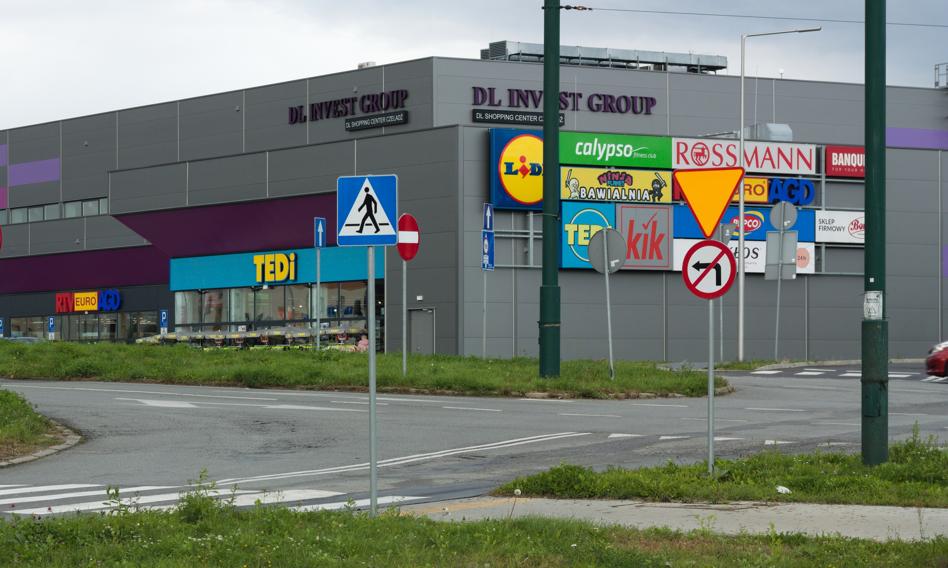
The relatively closed pool of active tenants in the retail park sector may pose a potential risk for developers, say JLL experts. According to the company's data, from 2022 to the first half of 2025, only 82 active chains opened at least three new stores.
According to the company, the retail park format has been the main driving force behind the retail market for several years. By 2020, there were fewer than 147 retail parks operating in our country. Over the next 5 years, this number reached 290 and continues to grow.
“We analyzed over 180 parks and almost 2,000 premises. They were opened in 143 different cities, including large agglomerations and small towns with even less than 5,000 inhabitants. Although there is no single generalization like +typical retail park+, this format has become quite predictable and shows some analogies in terms of tenant structure. Overall, The must-have offer includes representatives of the discount trade segments (value retail), clothing and food supermarkets – together they constitute on average 70 percent. total rentable area” – said Maciej Kotowski, Director, Research and Consultancy, JLL, quoted in the release dedicated to the report.
JLL estimates that despite the rapid expansion of many brands and the growing diversity of formats, the group of active tenants in retail parks and convenience centers remains small. In the period from 2022 to the first half of 2025, only 82 active chains opened at least three new stores. Moreover, this number drops to just 37 brands when you include those that have opened more than ten outlets.
In the opinion of analysts, oa limited group of tenants turns out to be a characteristic feature of this format. There are less than ten or even five active players in almost every trading category. Only the clothing segment was represented by over 20 brands, which, however, was only a fraction compared to shopping malls, where over 1,300 players actively represent the fashion, accessories or footwear categories.
The relatively closed pool of active tenants in the retail park sector may pose a potential risk for developers looking for new opportunities. Although another project in one city may be rational from an economic and demographic point of view, the leasing process may become a challenge because a second or third outlet in the same location may make no sense for many brands – commented Dagmara Filipiak, Senior Director, Head of Retail Agency Leasing, JLL.
The company also said that the limited scale of the retail park format in the smallest cities means that it is characterized by little diversity in the offer. Between 2022 and the first half of 2025, only about 60 unique brands appeared in these places. In large agglomerations, it is much larger and includes over 200 different brands – largely local grocery stores, service providers and numerous catering concepts.
“A characteristic feature of retail parks in large cities is still relatively limited interest from clothing tenants, who – if they have the opportunity – choose traditional shopping malls” – it was also written in the release. (PAP Business)
tom/ asa/