There will be no holidays. This is how the English once canceled Christmas

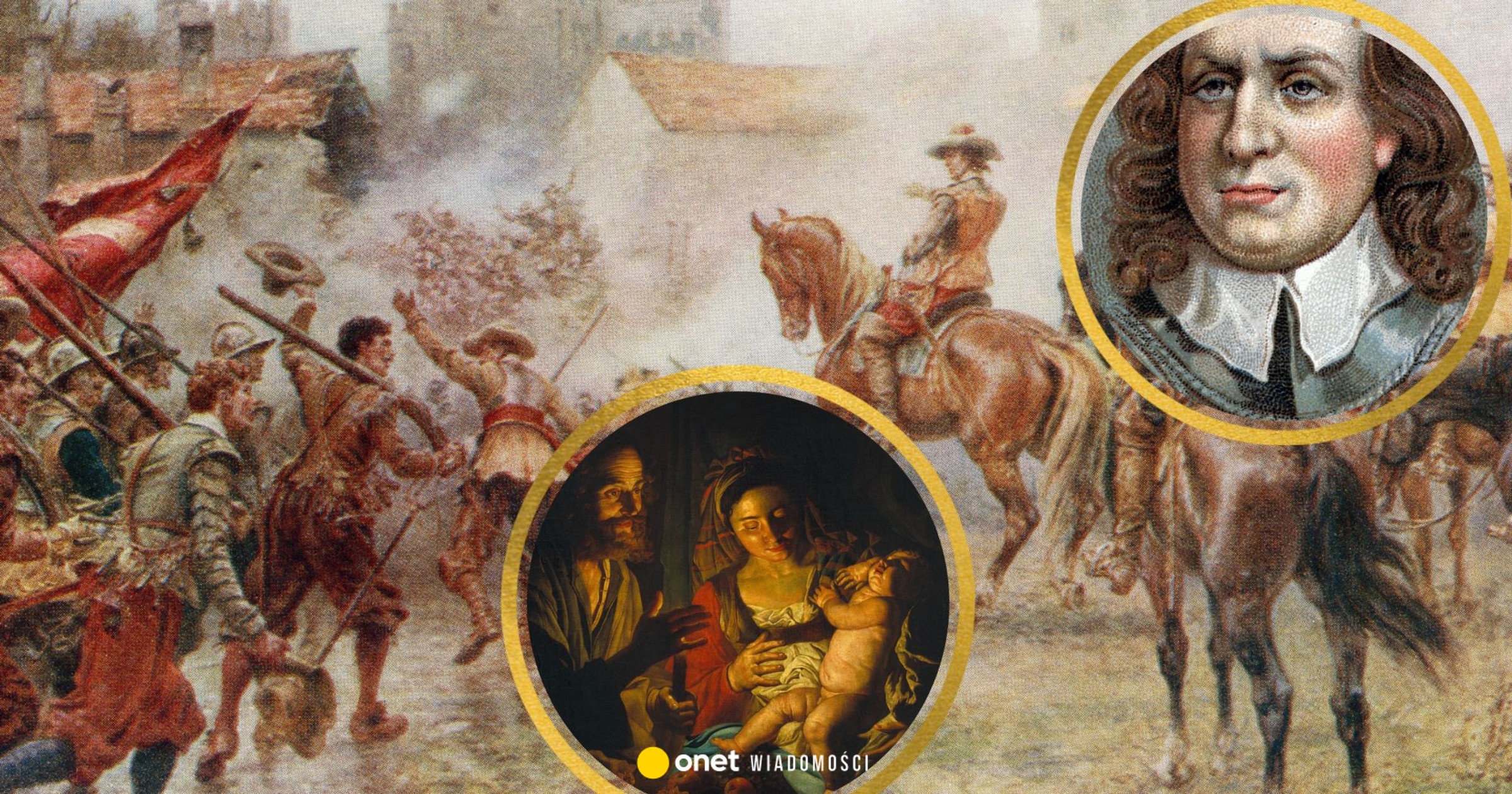
The Church of England, established during the Reformation, recognized Christmas, but the growing Protestant movements of Presbyterians and Puritans had a different opinion on this matter.
In the Middle Ages, celebrating Christmas meant not only services in churches, but also great feasts, games and fun. It was celebrated for the next 12 days, until January 6.
Although Henry VIII, who reigned in the years 1509-1547, led to the separation of England from Catholicism, creating his own Church of England, Christmas functioned there in the same way as in Catholic times. Anglicanism has preserved many ancient traditions of the Roman Church.
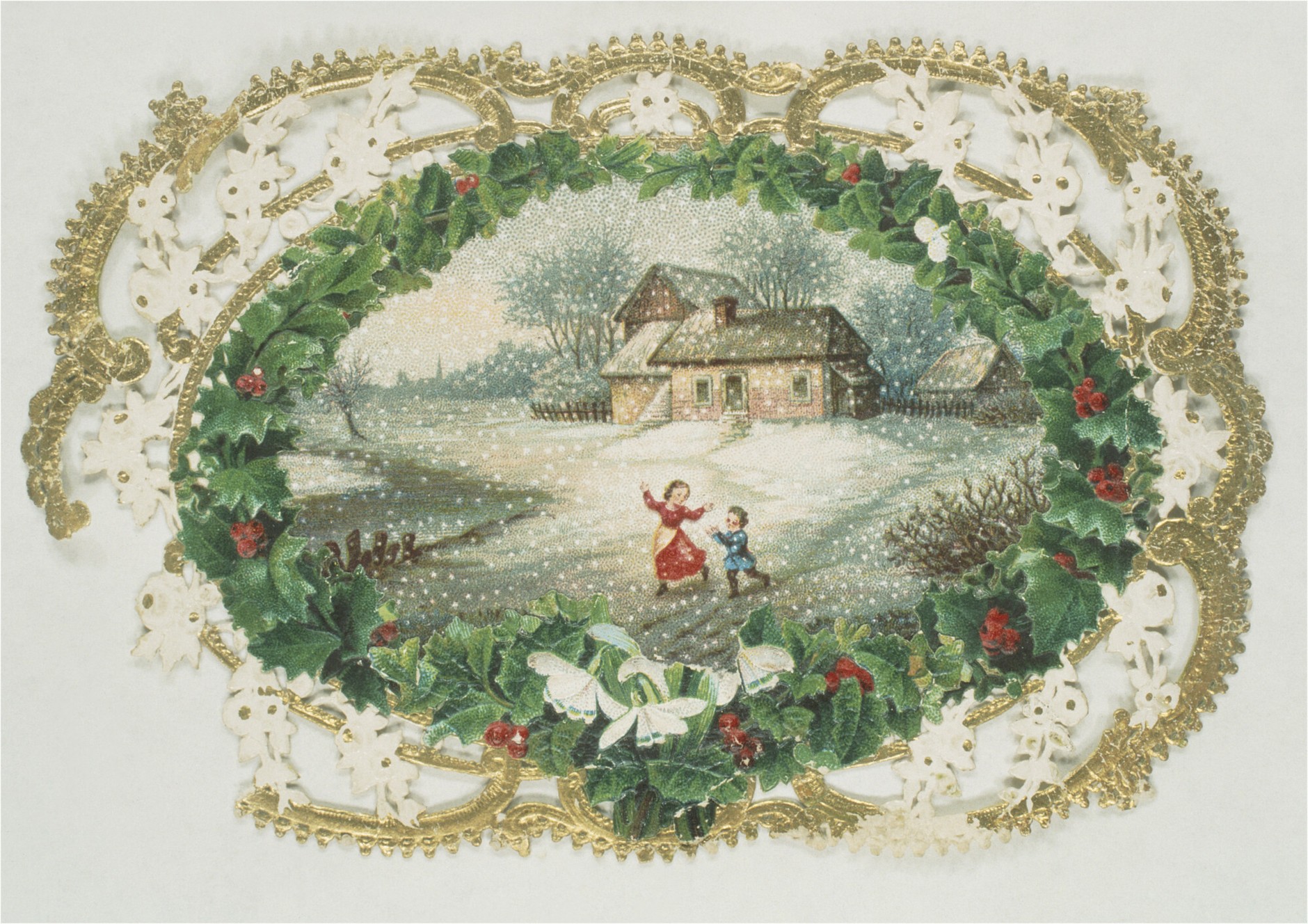
Christmas in England. A card from the 19th century.Victoria & Albert Museum/East News
However, apart from Anglicanism, new Protestant movements and communities striving for religious reforms were developing among the British. The two most important were Presbyterianism in Scotland and Puritanism in England, both of which grew out of Calvinism. Representatives of both groups wanted to abolish the Episcopal system and proclaimed a return to biblical principles and cleansing Christianity of external elements.
The influence of Calvinism was manifested, among others, in: in reluctance to commemorate the birth of Jesus on December 25. Calvinist scholars argued that this was neither a historical nor a biblical date. In their opinion, it was an unjustified invention of the Catholic Church, so maintaining these celebrations made no sense. The prevailing view was that Christmas was merely an occasion for drinking and debauchery, and that instead the day should be merely a day of fasting and religious contemplation.
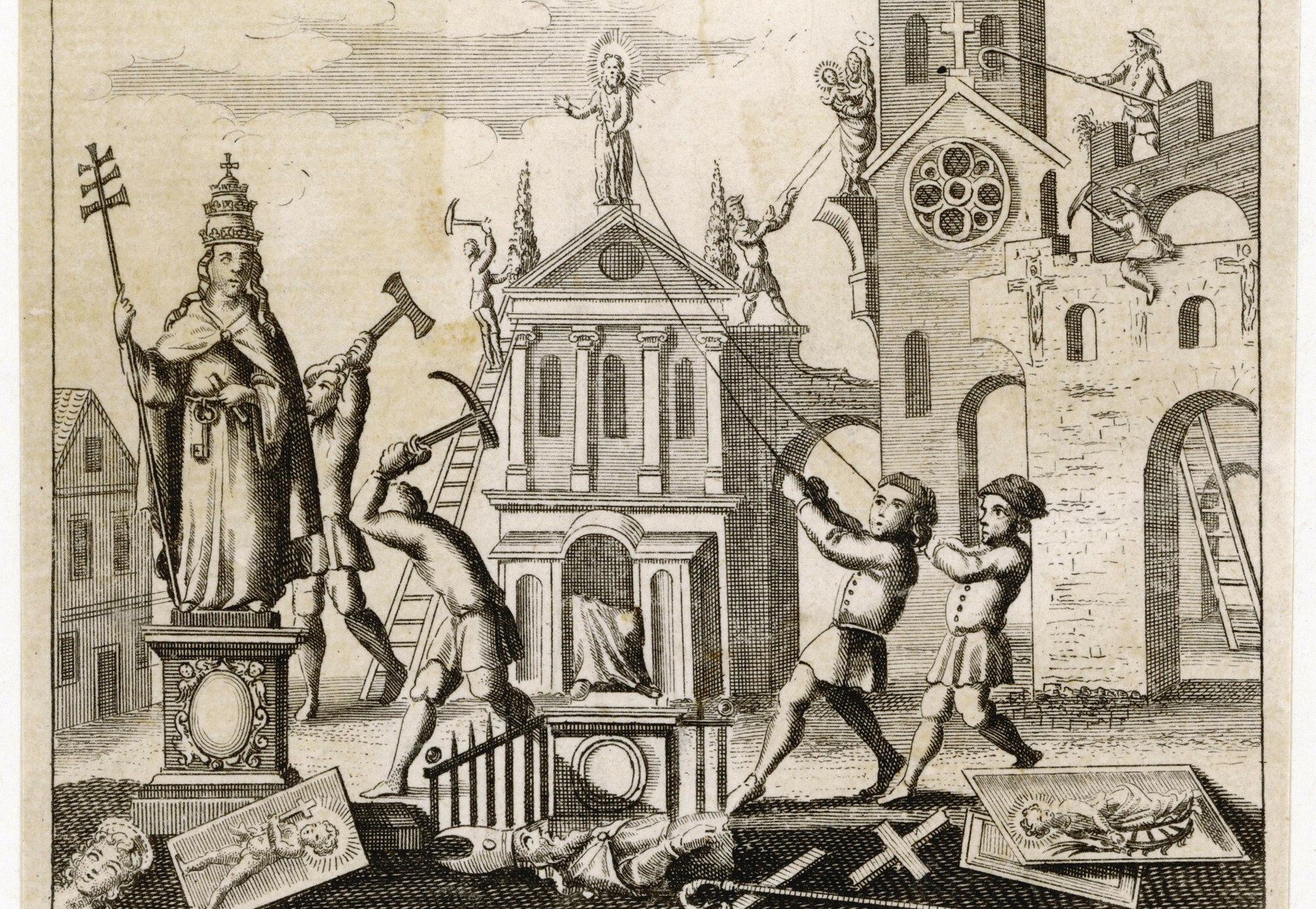
Puritans destroying religious sculptures, illustrationMary Evans Picture Library/East News
As Fr. writes Józef Naumowicz, a historian of early Christian literature and an expert on the history of Christmas, Puritans even tried to avoid the name Christmas, which in their opinion had Catholic overtones because it contained the term “mass” (Old English Christ-mass, i.e. mass [ku czci] Christ). For this reason, a new term was coined: Christ-tide, i.e. the feast of Christ. Not only the celebration of December 25 was fought against, but also the entire twelve-day holiday period.
Puritan merchants in London opened their shops on December 25 to show that they considered this day as normal as any other. The capital's churches closed their doors.
Great cleansing
From 1642, there were civil wars in England between the Anglican royalists and the Puritan supporters of Parliament, led by Oliver Cromwell. The first war ended in 1645. Then King Charles I of England fled to Scotland, but two years later he was betrayed to the English and imprisoned. The second war swept through England in 1648-1649. In 1649, Charles was beheaded, and after a few months England was proclaimed a republic.
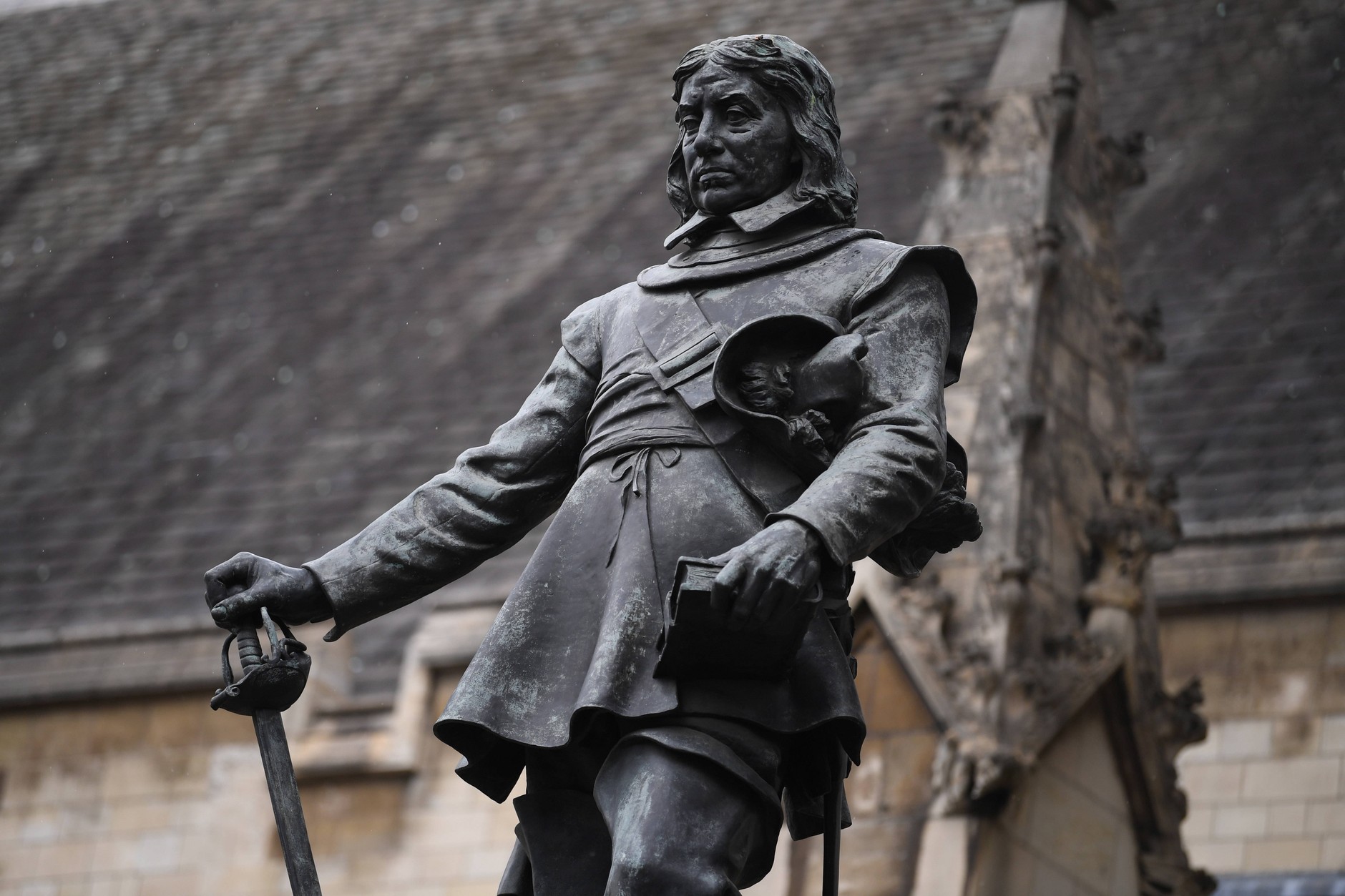
Oliver Cromwell Monument in LondonNEIL HALL / PAP
In 1644, the first attempt to eradicate Christmas took place. The regulations introduced earlier stated that every last Wednesday of the month was to be a special day of fasting and prayer. Then that day happened to be December 25. Therefore, the Parliament issued a special regulation approving the observance of the fast day and a ban on celebrating holiday services.
After winning the first civil war, Oliver Cromwell and his Puritans began to “purify” the country. They targeted, among others: Christmas. The Westminster Confession of Faith of 1646 indicated that in terms of holidays one should limit oneself only to the Old Testament commandment to keep the Sabbath, changed in Christianity to Sunday.
The article continues below the video
Therefore, soon all annual festivals were banned. In 1647, the Puritan Parliament declared the celebration of Christmas illegal and ordered it replaced with a day of fasting and penance. There were also penalties for failing to comply with the new regulations and taking part in “old superstitious celebrations.” Later, the parliament ordered that shops and markets be opened on December 25. Clergy teaching about Christmas were threatened with imprisonment, and fines had to be paid for decorating churches at that time.
Although Cromwell certainly supported this movement and subsequent laws imposing penalties on those who continued to celebrate Christmas, he does not appear to have played a major role in directing the campaign. The sources do not contain his opinions and thoughts on this subject.
“The World Turned Upside Down”
But not everyone was enthusiastic about the new reality. The banning of Christmas aroused widespread outrage, and not only among the Anglican royalists. Most English people still stuck to their traditional Christmas customs.
Already in 1643, London journeymen protested against Puritan shopkeepers trading on December 25. It was no different after the defeat of the forces loyal to the king in 1645. In December of the following year, a group of young men in the town of Bury St Edmunds threatened trading merchants. A bloody fight broke out.
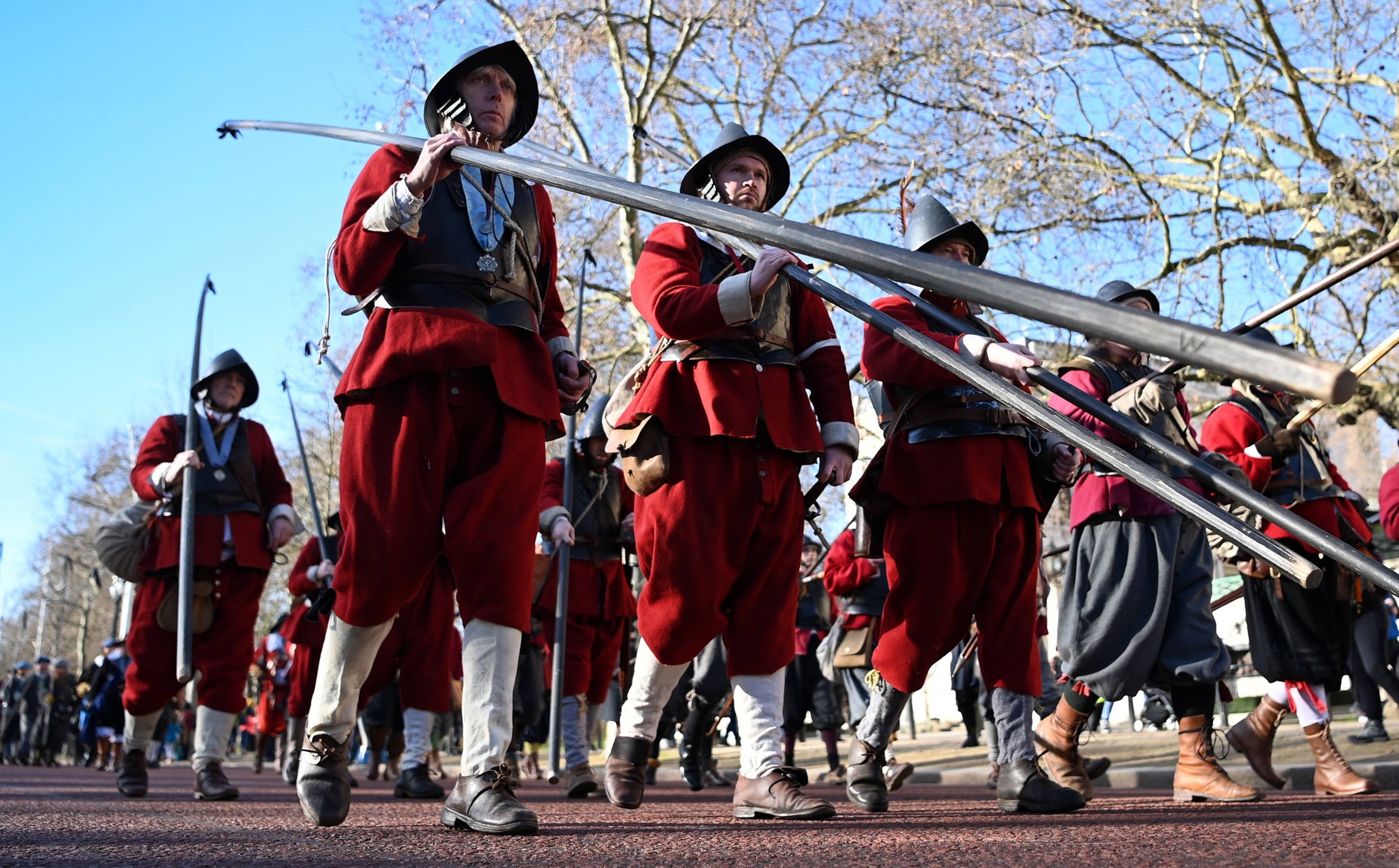
Parade commemorating the martyrdom of Charles I, beheaded on January 30, 1649.ANDY RAIN / PAP
On December 25, 1647, riots broke out in Bury, Norwich and Ipswich. In London, a crowd of students gathered in a public place to demonstrate their commitment to Christmas tradition. The mayor sent the army against them, but the students resisted. The demonstration had to be broken up by force.
However, the biggest riots took place in Canterbury. A crowd of protesters attacked and destroyed shops open on Christmas Day, and later even took control of the city.
During this time, someone wrote a ballad that was quickly gaining popularity called “The World Turned Upside Down”, condemning the ban on celebrating the birth of Jesus.
After Parliament's victory in the Second Civil War and the execution of Charles I in 1649, demonstrations for Christmas became less frequent. There is no doubt that many people still celebrated Christmas, but quietly.
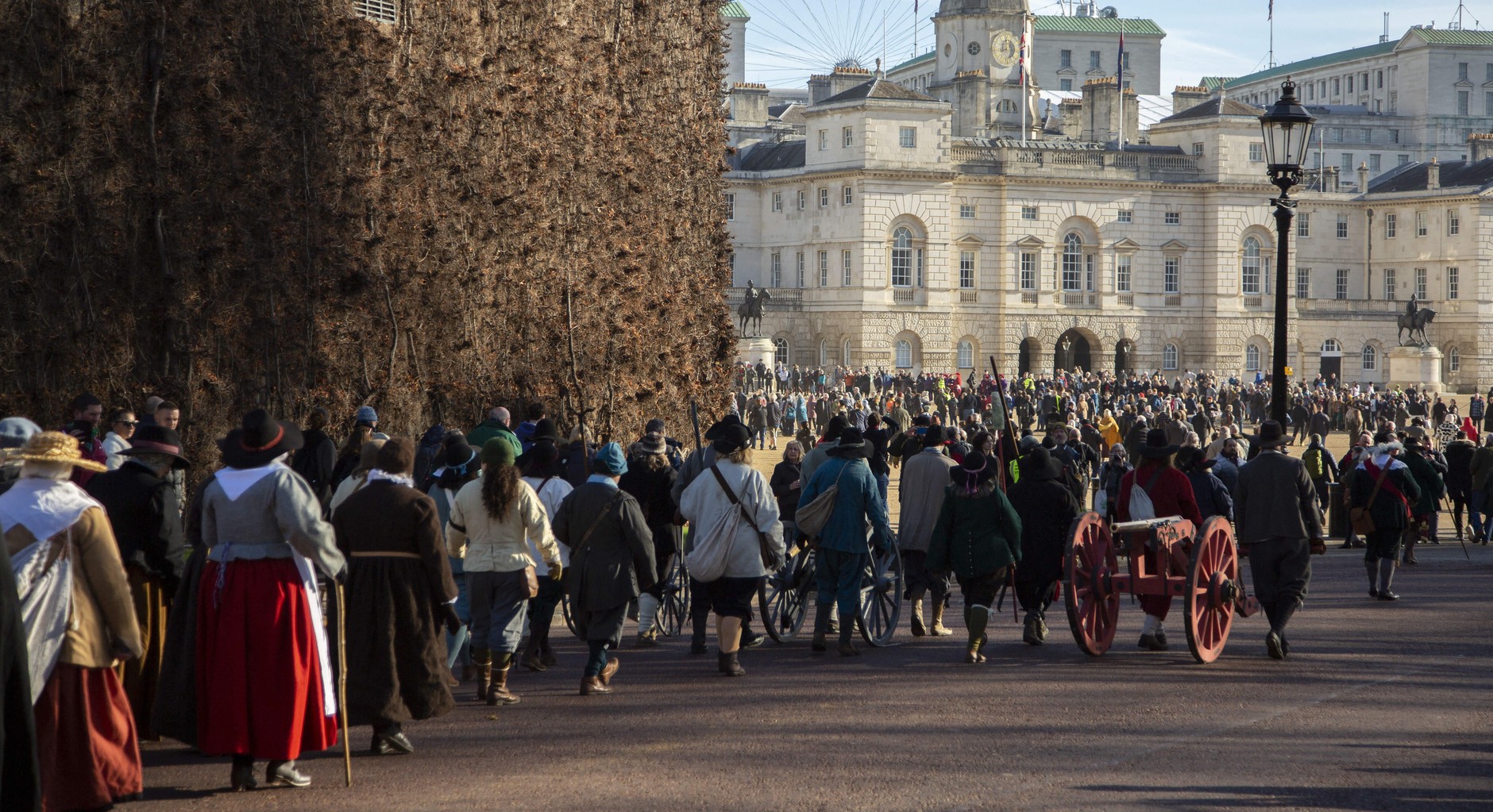
The English Civil War Society recreates scenes commemorating the execution of Charles I on January 30, 1649 in LondonAA/ABACA / PAP
300 years of break
After Cromwell's death in 1658, the Puritans lost power. In 1660 the monarchy was restored. In the same year, the Parliament re-adopted the Anglican Book of Common Prayer and officially restored Christmas.
However, Scotland banned the celebration for several hundred years, where an uprising in defense of Presbyterianism broke out during the reign of Charles I. The reason was the king's desire to make the Scottish Church similar to the Anglican Church, among others. in terms of liturgy and holiday celebrations. Following the uprising, the National Assembly of Scotland formally banned Christmas celebrations in 1638, and December 25 remained a normal working day. It was only in the mid-20th century that a gradual return to celebrating this day began in Scotland.
Sources:
- Fr. Józef Naumowicz, “The Birth of Christmas”, ed. Sign, 2016
- Oliver Cromwell Museum, cromwellmuseum.org
- BBC History Magazine, historyextra.com