Record number of executions in Saudi Arabia. Human rights organizations denounce “bloodiest year”

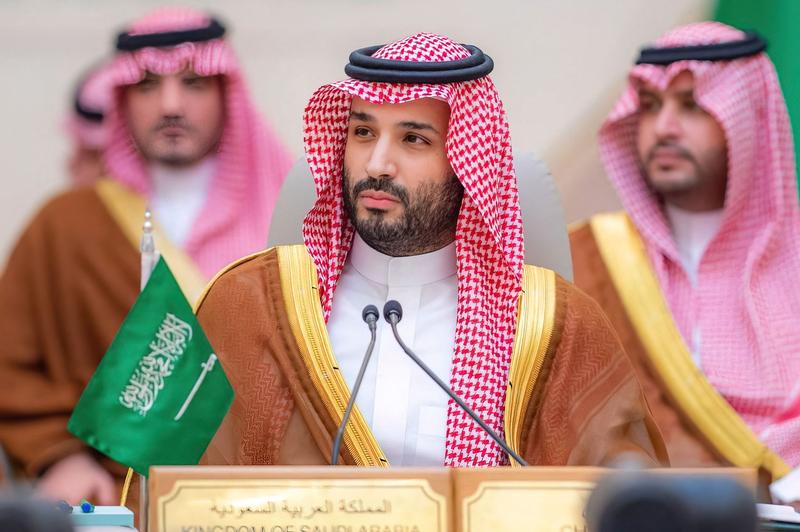
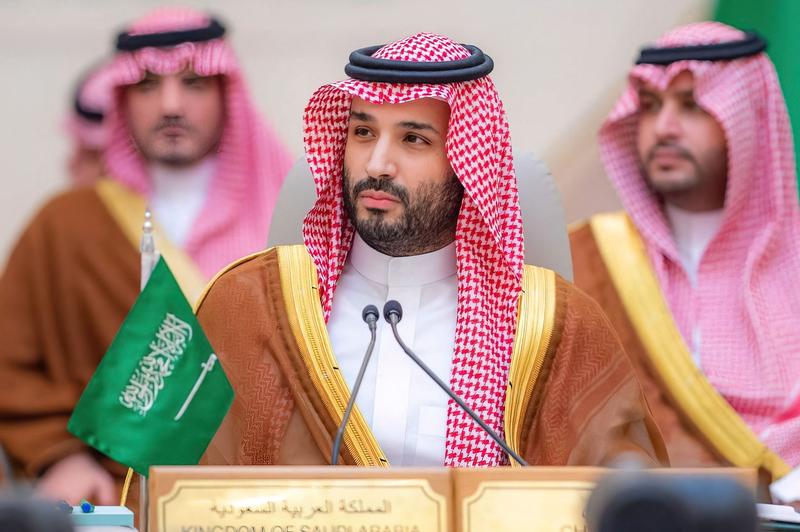
Mohammed bin Salman is the crown prince of Saudi Arabia. Photo: Balkis Press/ABACA / Shutterstock Editorial / Profimedia
Saudi Arabia surpassed, for the second consecutive year, its annual record of executions, provoking harsh reactions from international human rights organizations. At least 347 people were executed in 2025, compared to 345 the previous year, according to the British organization Reprieve, which monitors the application of capital punishment in this country.
The NGO Reprieve described the current year as “the bloodiest year since the monitoring began”, pointing out that most of the executions were for crimes that did not involve violence. The most recent cases were of Pakistani citizens convicted of drug-related crimes, BBC and News.ro report.
According to data compiled by the organization, approximately two-thirds of those executed were convicted of non-lethal drug-related crimes, a practice that the United Nations considers incompatible with international standards.
More than half of the people executed were foreign citizens, which, according to the activists, indicates “a tough anti-drug campaign” carried out by the authorities.
“Saudi Arabia acts with total impunity”
Among those executed this year are a journalist, two young people who were minors at the time of the alleged crimes related to the protests, as well as five women. Reprieve also reported cases where convictions were based on confessions obtained under torture.
“Saudi Arabia is now acting with total impunity,” said Jeed Basyouni, director of the death penalty in the Middle East and North Africa at Reprieve, who described the situation as “a brutal and arbitrary crackdown.”
The increase in the number of executions was observed after the Saudi authorities ended, at the end of 2022, an unofficial moratorium on executions for drug-related crimes, a decision described as “deeply regrettable” by the UN Office for Human Rights.
The execution methods are not made public
The families of the prisoners sentenced to death spoke about the terror experienced while waiting for the executions, reporting that the authorities do not notify the families in advance and do not return the bodies of those executed. The method of execution is not made public, but it is believed to be beheading or firing squad.
Under the leadership of Crown Prince Mohammed bin Salman, Saudi Arabia has implemented sweeping social and economic reforms, but organizations such as Human Rights Watch say the human rights record remains “disastrous.” In recent years, only China and Iran have reported a higher number of executions.
In a statement sent to the BBC, the UN special rapporteur on extrajudicial executions called for an immediate moratorium on executions and strict compliance with international guarantees, including access to legal aid and notification of families.
Saudi authorities have not officially commented on the recent data, but in a previous response to UN experts they argued that human rights are protected, that torture is prohibited by law and that the death penalty is only applied for the “most serious crimes” after exhausting all legal avenues.