The EU Council supports the introduction of the digital euro with both online and offline functionality

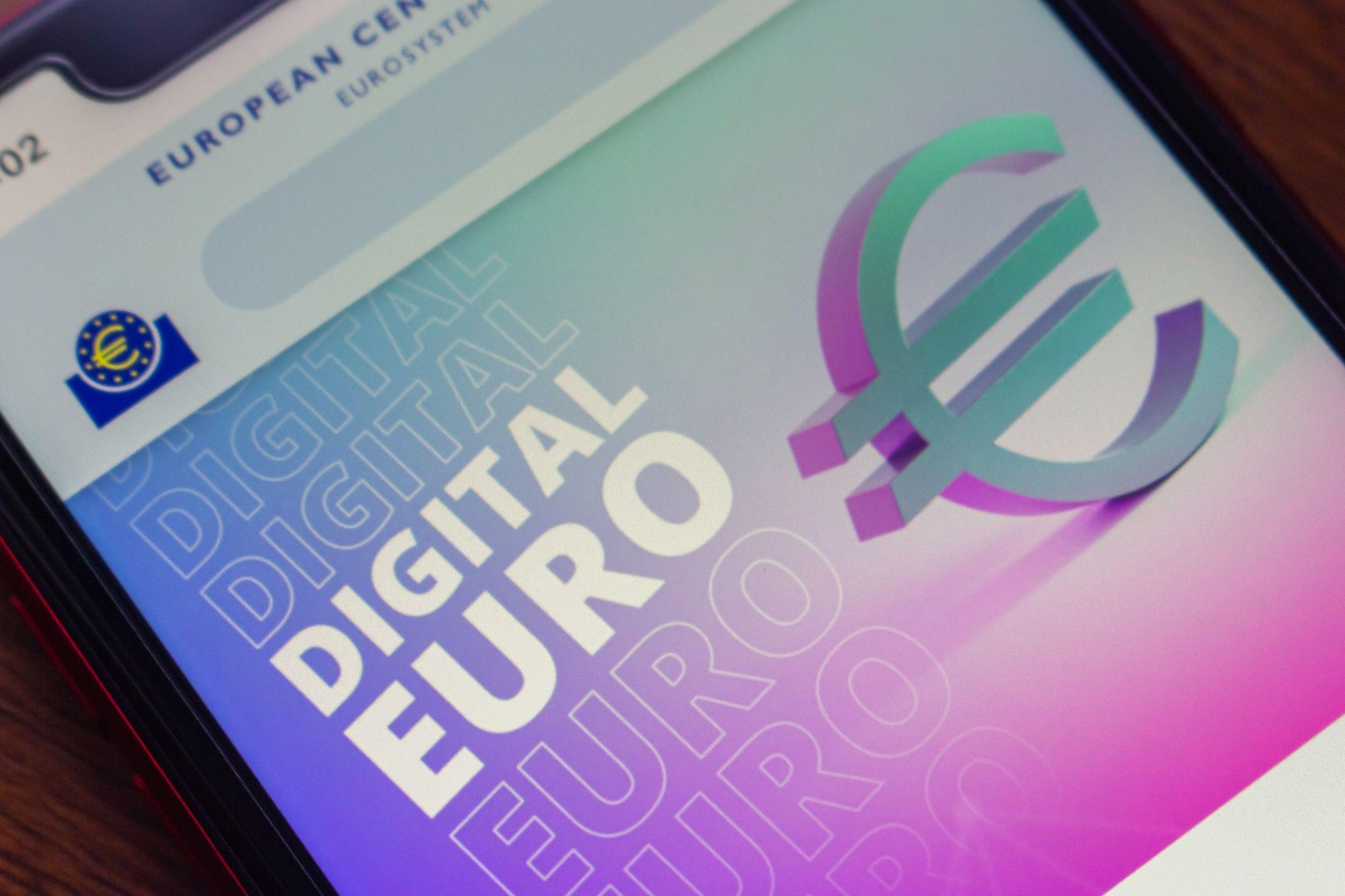

Digital Euro. Photo credit: Koshiro K / Alamy / Profimedia
The Council of the European Union approved its negotiating position on the digital euro on Friday, advocating a model that includes both online and offline use of the digital currency, different from previous European Parliament proposals that focused exclusively on offline operation.
According to the new position of the EU Council, the digital euro would be publicly issued by the European Central Bank (ECB) and could be used anytime and anywhere, regardless of whether users are connected to the Internet or not, reports the Reuters agency, quoted by News.ro.
The European Parliament's rapporteur for the digital euro, Fernando Navarrete, previously advocated for an offline-only model, arguing that it would better protect user privacy and the currency's resilience, with the central bank acting as the system's regulator.
In the version supported by the Council, online transactions would be processed immediately through the ECB registry or through authorized intermediaries, while offline transactions could be recorded locally and later synchronized with the central registry when the connection is restored. This mechanism would allow the use of the digital euro even in areas with poor connectivity, while maintaining a level of confidentiality close to that of cash.
The European Central Bank is working on the digital euro project to modernize the payments system and ensure that the currency issued by the central bank remains relevant in an increasingly digitized economy. In the context of the decline in the use of cash, a digital currency issued by the central bank is seen as a tool to maintain monetary sovereignty and confidence in the currency.
However, the project advances slowly and faces opposition from some segments of the banking sector.
Council ministers supported offline use for flexibility in everyday life and resilience in power outages, but also included online access to enable a wider range of digital payments.
The Council's mandate also establishes key design elements, including limits on digital euro holdings, aimed at preventing risks to financial stability through massive withdrawals of deposits from banks. These ceilings will be set by the ECB and will be subject to a general review every two years.
Providers will be required to offer certain basic services related to the digital euro for free, but will be able to charge fees for value-added services. In addition, a transition period of at least five years will impose ceilings on interchange fees and those charged to merchants, aligned with the levels of current payment methods, with these subsequently being adjusted according to actual costs.
The Council's agreement paves the way for negotiations with the European Parliament regarding the legal framework of the digital euro. After the legislation is passed, the ECB will be able to proceed with issuing the currency, which, according to its estimates, could become operational around 2029, after a pilot phase planned for 2027.