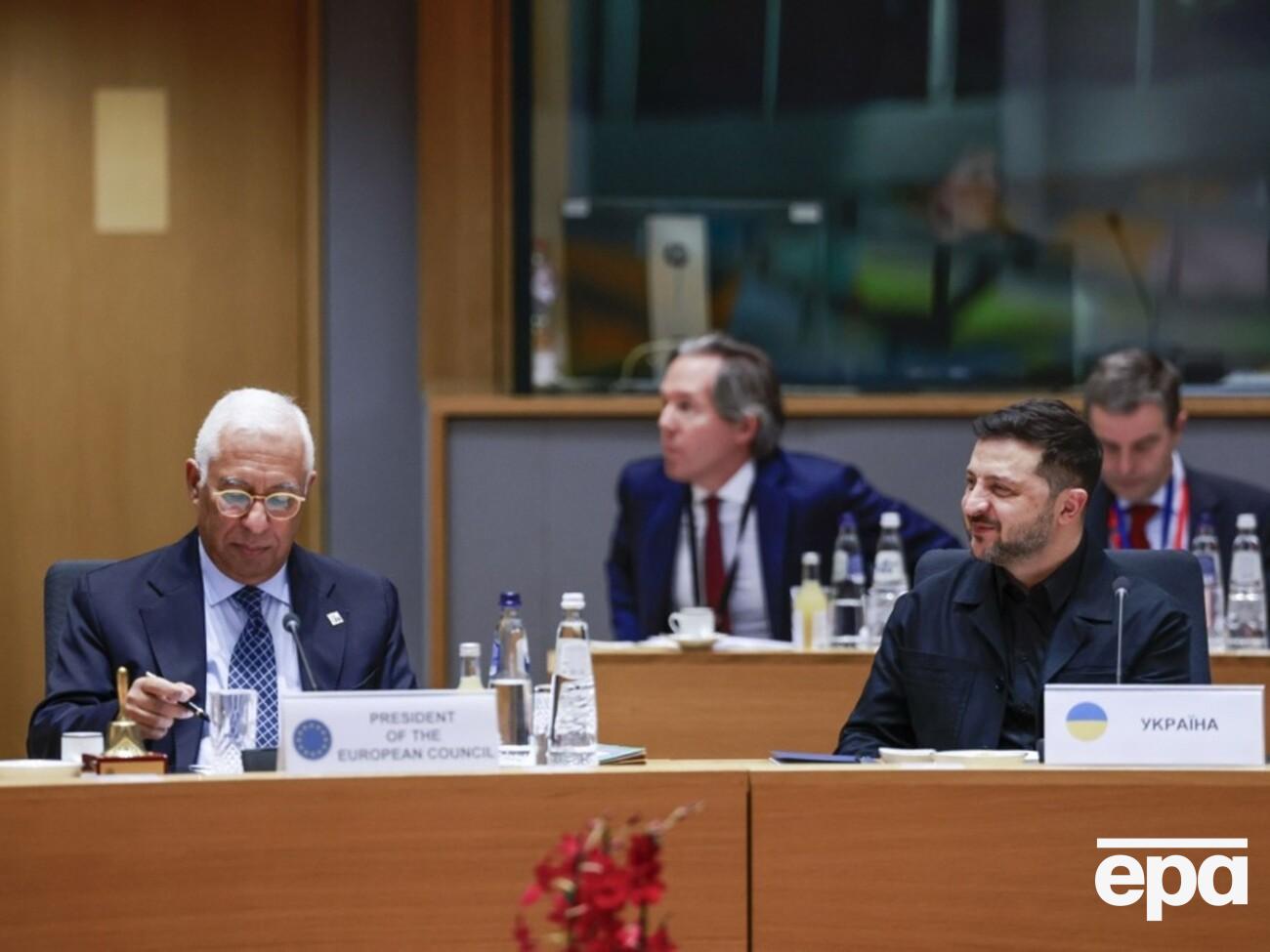

“We have an agreement. We committed ourselves, we fulfilled them,” said Costa.
We were dealing.
Call for €90 million to support Ukraine for 2026-27.
We are committed, we delivered.
— António Costa (@eucopresident) December 19, 2025
Information about the allocation of assistance was also confirmed by German Chancellor Friedrich Merz, writes European Truth.
The decision was made after the EU abandoned the “reparation loan” option, which had been discussed for a long time. The media reported that financing would be carried out through the European Union's common debt mechanism, which required the unanimous support of all member states.
According to Merz, this assistance will be enough to cover the military and budgetary needs of Ukraine in the next two years, and he called the decision a decisive signal towards ending the war.
Context
Some €185 billion of frozen Russian assets remain under the management of Brussels-based financial depository Euroclear. Another €25 billion lies in various places in the EU in private bank accounts, Politico wrote.
In September, the head of the European Commission, Ursula von der Leyen, presented a new plan to support Ukraine using frozen Russian assets. As part of this plan, there was a proposal for a so-called reparation loan, which would provide financing to Ukraine without direct confiscation of assets.
On December 6, the media reported that after Belgium refused to use frozen Russian assets for a reparation loan to Ukraine, the EU was discussing two alternative ideas for supporting Kyiv. They discussed the possibility of providing Ukraine with cash grants from the budgets of member countries or financing assistance through general borrowing from the European Union.
On December 17, Belgium approached the EU with a proposal to consider using an emergency rule to issue common EU debt to support Ukraine.