
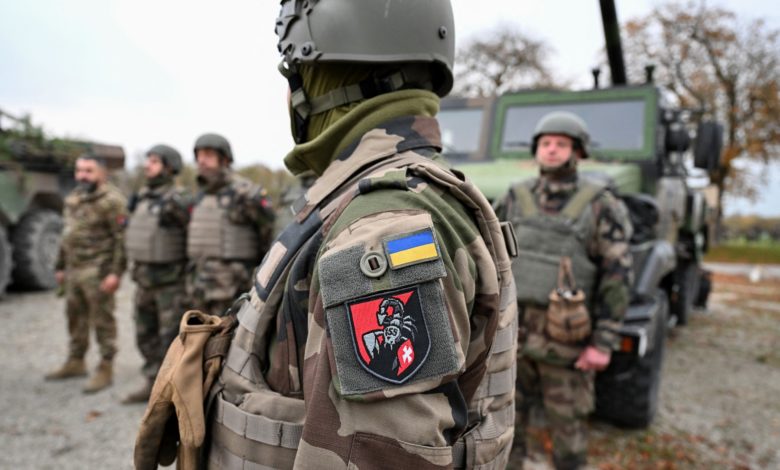
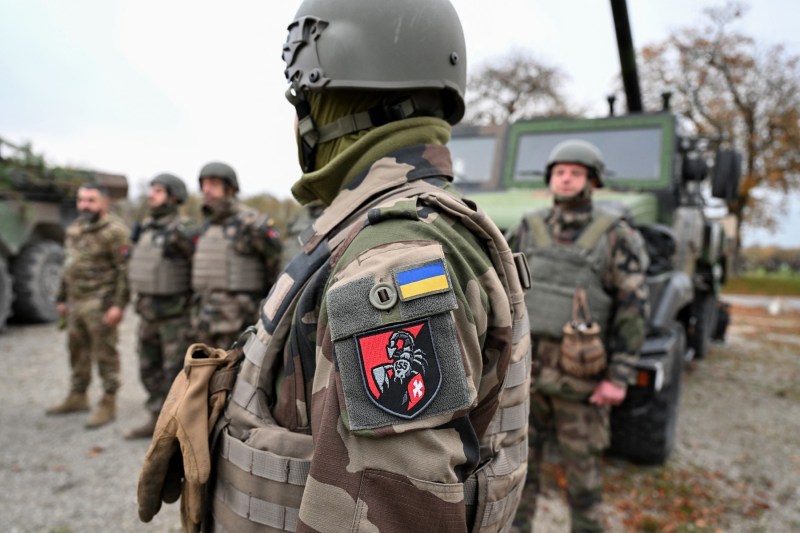
Ukrainian soldiers from the 155th Separate Mechanized Brigade during a French army training exercise held at the Mourmelon-le-Grand military camp on November 14, 2024. Photo credit: FRANCOIS NASCIMBENI / AFP / Profimedia
The leaders of the main European and EU states proposed on Monday that they lead “a multinational force” in Ukraine and “sustainably” support the Ukrainian army, which should be limited to 800,000 soldiers, according to a statement sent by the German government, France Presse and Agerpres inform.
This “multinational force for Ukraine” would be “composed of contributions from volunteer nations and supported by the United States.”
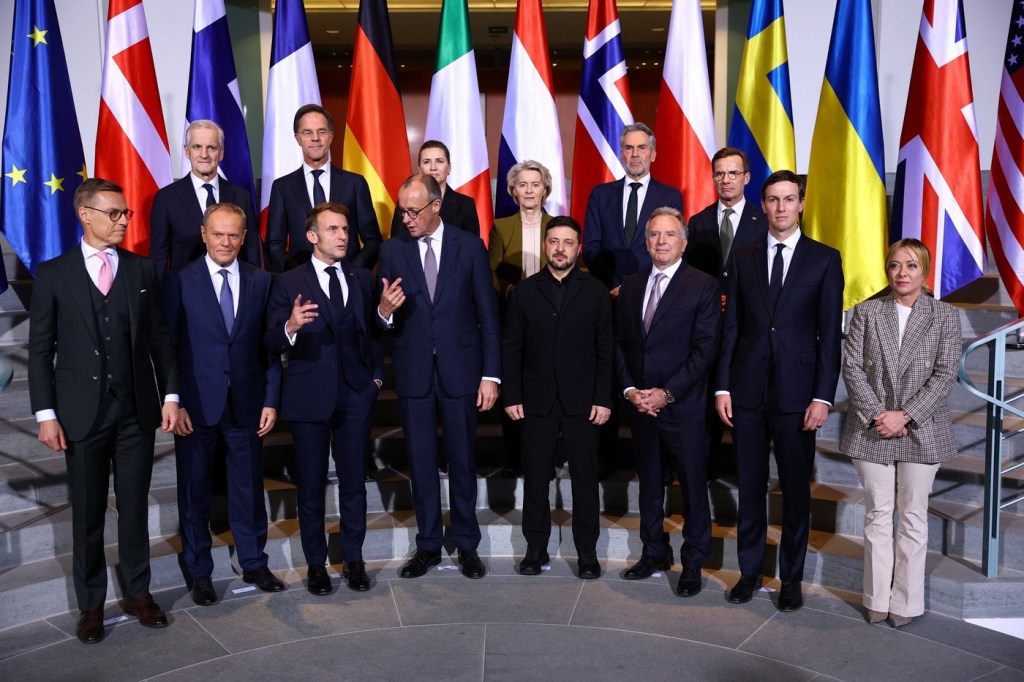
The document is signed by the German, French, British, Danish, Dutch, Finnish, Norwegian, Italian, Polish, Swedish and EU leaders, but not by the US.
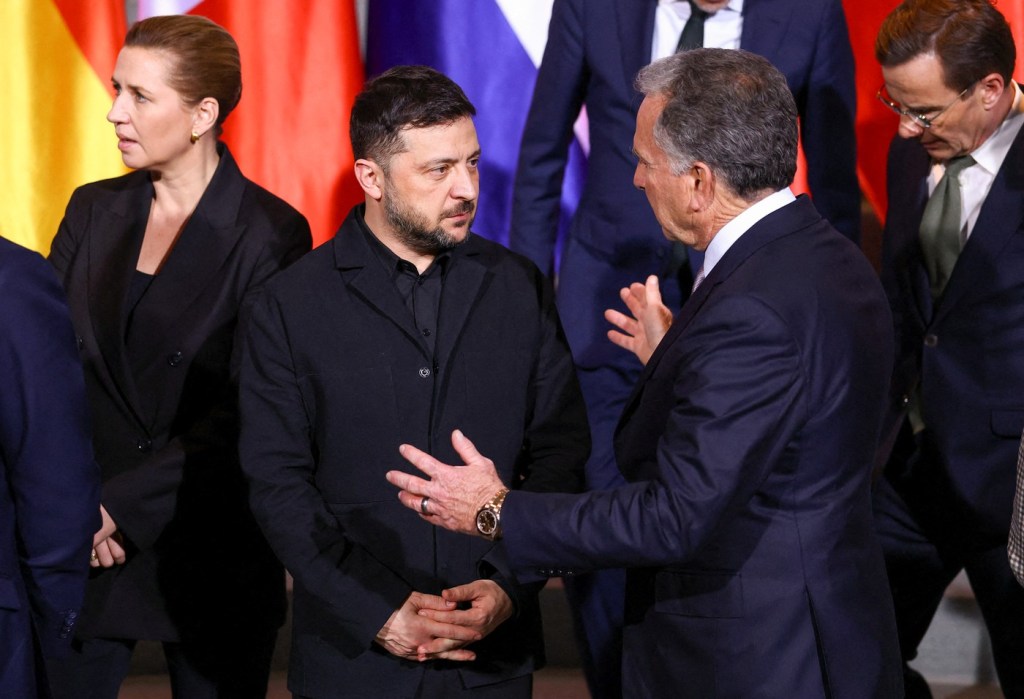
It was made public after the respective leaders met in Berlin with American emissaries Steve Witkoff and Jared Kushner, after their talks on Sunday and Monday in the German capital with Ukrainian President Volodymyr Zelensky.
 “Progress” in peace negotiations. “Closer than ever” to a deal, Trump says / US promises Ukraine “very strong” NATO-level security guarantees / Zelenskiy: “Looks pretty good”
These European officials say they have agreed with the United States to “work together to provide Ukraine with robust security guarantees and measures to support economic recovery as part of an agreement to end the war.”
This would include “supporting Ukraine in building up its armed forces, which should remain at a peacetime level of 800,000 troops.”
They also mention “a cease-fire monitoring and verification mechanism led by the United States.”
“From now on it depends on Russia”
The text of the declaration emphasizes that it depends “from now on Russia to show its will to work for a lasting peace”.
According to the same text, Moscow must “demonstrate its commitment to end the fighting by accepting a ceasefire.”
The Europeans are also committed to “investing in the prosperity of Ukraine”, which would be achieved mainly by making available “significant resources for recovery and reconstruction” and by reparations paid by Russia.
The document does not address the thorny issue of territorial concessions on the part of Ukraine, the Europeans insisting that “international borders should not be changed by force”.
They also express their support for Zelenskiy “if he should consult his people” on this subject.
Finally, the signatories also declare that they “firmly support Ukraine's accession to the European Union”.
 As Zelenskiy tries to negotiate peace with Russia, poll shows what Ukrainians think / What is “completely unacceptable” for 75% of them


