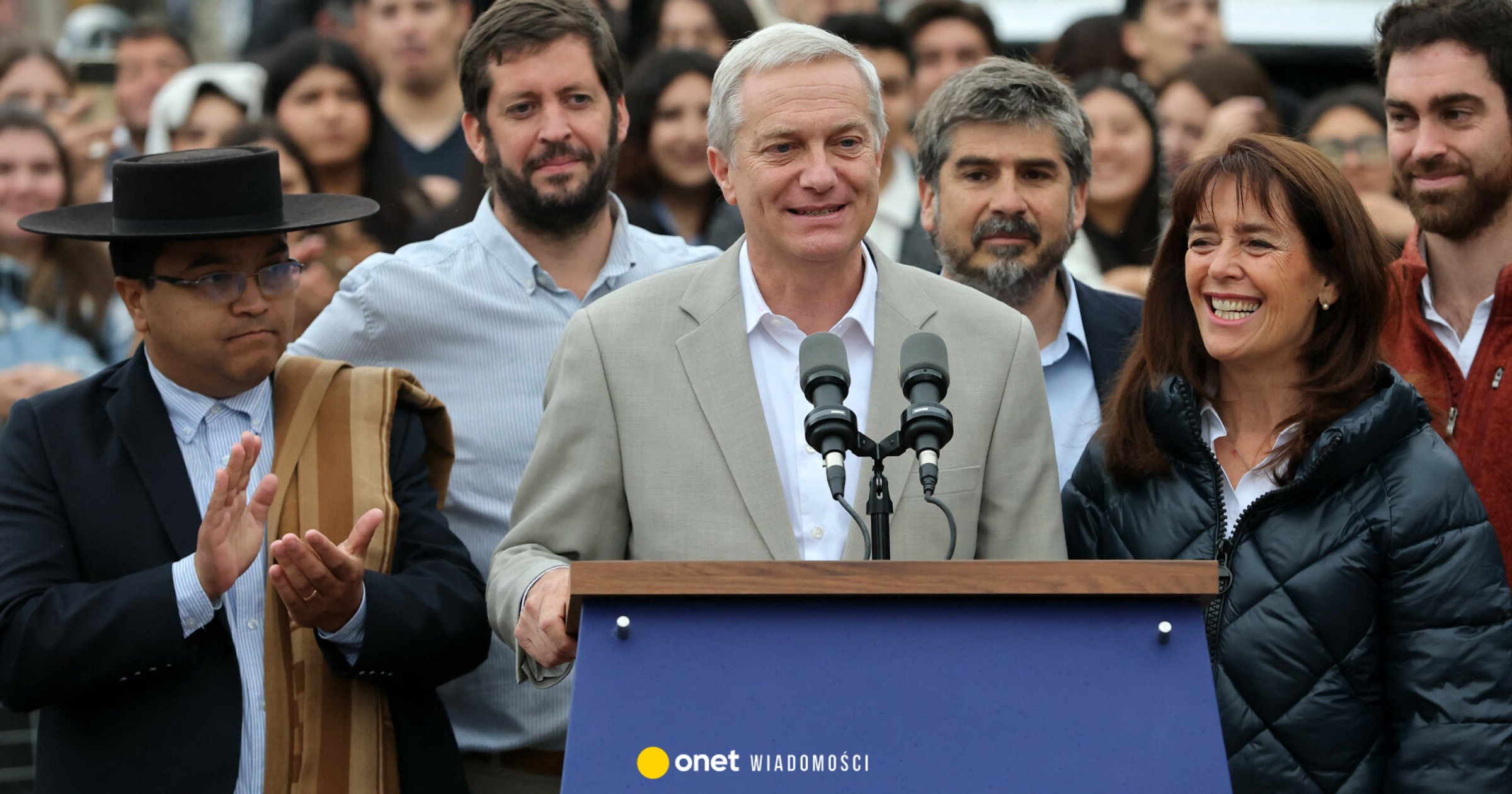
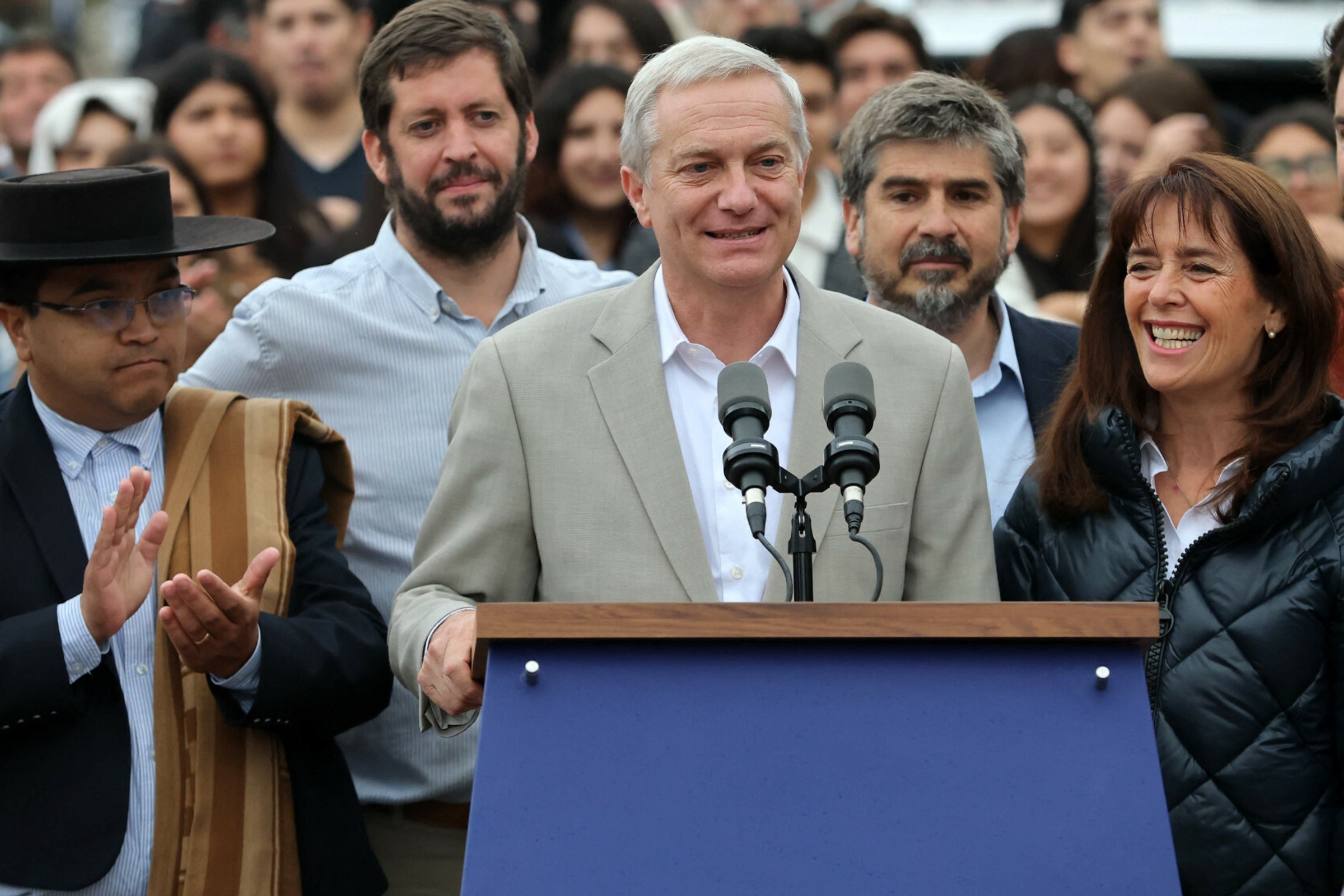
His rival, Jeannette Jara from the ruling left-wing coalition, admitted her defeat. “Democracy has spoken strongly and clearly. I just contacted President-elect Jose Antonio Kast to wish him good luck for the good of Chile,” she wrote on the X platform.
The article continues below the video
When will Jose Antonio Kast take power?
What views does Jose Antonio Kast represent?
What were the voting results in the second round?
According to partial results published after the counting of votes, over 95 percent komisji wyborczych, Kast uzyskał poparcie ponad 58 proc., a Jara — niecałych 42 proc. voters. Lider konserwatywnej Partii Republikańskiej obejmie władzę 11 marca 2026 r. i zastąpi obecnego, lewicowego prezydenta Gabriela Borica.
US Secretary of State Marco Rubio congratulated Kast on his victory. He said the United States looked forward to working with his administration to “strengthen regional security and revitalize our trade relations.”
59-letni Kast, syn niemieckiego nazisty zbiegłego do Chile po wojnie, ubiegał się o urząd prezydenta po raz trzeci. He proposed, among other things, building barriers at the border, sending the army to areas with high crime rates and deporting illegal immigrants. Previously, his radical right-wing views did not convince the majority of the population, but in recent years they have gained popularity amid concerns about migration and rising crime.
Agencja Reutera podkreśla, że zwycięstwo Kasta jest kolejnym przykładem odradzania się prawicy w Ameryce Łacińskiej. Dołącza on do szeregu prawicowych prezydentów, takich jak Daniel Noboa w Ekwadorze, Javier Milei w Argentynie czy Nayib Bukele w Salwadorze. In October, the victory of the center-right politician Rodrigo Paz ended the socialist rule in Bolivia that had lasted for almost 20 years.