A well-known cafe on the verge of bankruptcy. The end of the dream of being the “second Starbucks”?

2025-12-15 08:55
publication
2025-12-15 08:55
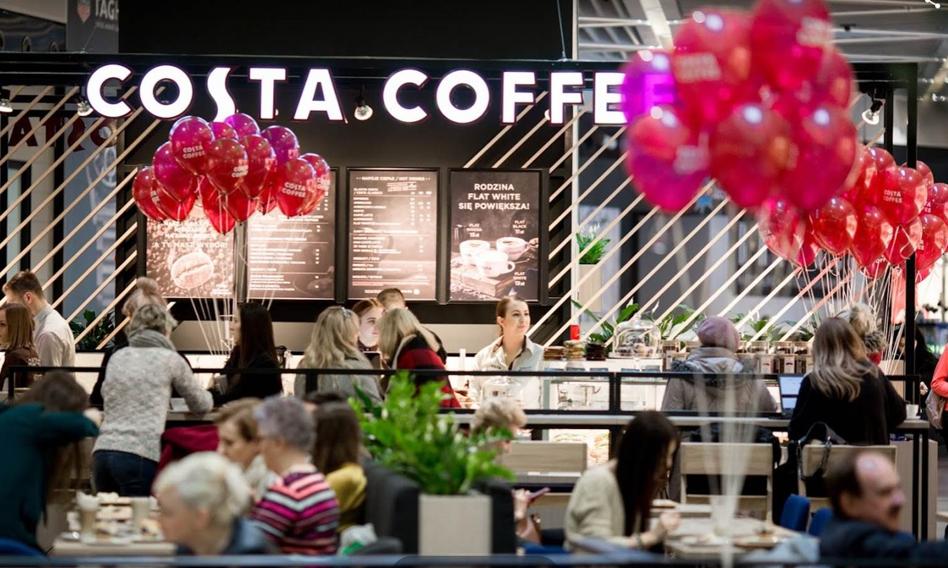
Seven years after the spectacular takeover of the British chain Costa Coffee, the Coca-Cola Company is preparing to cut losses painfully. According to market reports, the American giant is in advanced talks with the private equity fund TDR Capital regarding the sale of Costa. The transaction is of a rescue nature – the coffee chain is struggling with serious liquidity problems, and the specter of operational bankruptcy is becoming more and more real.
Atlanta's strategic pivot has become a reality. Coca-Cola, which in 2018 announced its challenge to Starbucks and global domination of the hot drinks market, is forced to capitulate. According to sources close to the transaction, negotiations with the British fund TDR Capital have entered a decisive phase.
Last minute sales
Costa Coffee's financial situation has deteriorated dramatically in recent quarters. The combination of rising operating costs (energy, raw materials, wage pressure) with changing consumer habits and falling demand in key locations has brought the chain to the brink of profitability.
For Coca-Cola, continuing to maintain a deficit asset becomes an unacceptable burden for shareholders. The decision to sell is aimed at avoiding a scenario in which the parent company would have to recapitalize the network with billions of dollars or declare its subsidiary insolvent.
– It's a classic escape forward. Coca-Cola realizes that it does not have the competence to manage a retail food chain in times of crisis. Handing over the reins to a private equity fund is an attempt to save the brand's value from complete collapse, comments an FMCG sector analyst from the City of London.
TDR Capital: Specialists in difficult assets
The potential buyer, TDR Capital, is a well-known player on the British retail market. The fund's portfolio includes, among others: the Asda supermarket chain (together with the Issa brothers) and shares in EG Group (service stations).
For TDR, the acquisition of Costa is an opportunity for gigantic synergies. Costa Coffee points are already present at many gas stations and supermarkets. Taking full control of the chain would allow for aggressive cost restructuring and the inclusion of cafes in the fund's broader retail ecosystem.
Unofficially it is said that the transaction price will be drastically lower than the amount that Coca-Cola paid to Whitbread in 2018. Analysts expect that Americans will have to make a huge write-down of assets, which will affect their quarterly results.
A story of unfulfilled promises
The acquisition of Costa Coffee in 2019 (the deal was announced in 2018) was the largest acquisition move by then-CEO of Coca-Cola, James Quincey. For 3.9 billion pounds ($5.1 billion), the company bought nearly 4,000 cafes in over 30 countries.
The plan was to use Coca-Cola's global distribution network to introduce Costa products (canned coffee, beans, capsules) to every possible market. While the packaged goods (RTD) segment performed decently, managing physical premises was beyond the capabilities of the beverage company. The COVID-19 pandemic, which hit the HoReCa industry right after the takeover was finalized, was the beginning of problems from which the chain never fully recovered.
What's next for the network?
If the transaction takes place, Costa Coffee under the rule of TDR Capital will probably undergo a painful restructuring. The base scenario assumes:
-
closing unprofitable locations (especially in expensive city centers),
-
employment reduction at the headquarters,
-
focusing on the franchise model and vending machines (Costa Express), which generate higher margins with lower fixed costs.
For Coca-Cola The sale of Costa will end the dream of being the owner of the “second Starbucks.””, but will allow the company to return to what it does best – producing and distributing beverages, without the risks associated with renting real estate and managing café staff.
Investors on Wall Street greeted reports of the talks with cautious optimism, hoping for capital release and improvement in Coca-Cola's profitability rates in the long term.
prepared by COGS