These fibers are made from old clothes. This is part of a process that allows you to transform almost any used fabric into something completely new. Clothing chain H&M believes this solution could one day allow it to recycle some of the billions of tons of textile waste generated each year.
Read more: Millions of tons of flowers end up in the garbage. They decided to take advantage of it
Clothing recycling. Can a fast fashion company solve a problem it itself contributed to?
We went to Hong Kong and Sweden to find out. Most recycled textiles are turned into mattress filling or insulation. Scraps of clothes from the factory floor are used for this purpose, not used clothes.
This facility in a shopping mall in Hong Kong is the first in the world to turn used clothes into new ones in one place. First, a technician like Emily Shao examines the clothing.
This ozone chamber disinfects the fabric in about an hour. Emily then removes the buttons, tags and zippers and cuts the garment to make the fabric easier to work with. The shredder shreds the fabric pieces even further.
However, this part of the process requires the use of new materials. Another machine mixes the cotton into the recycled skirt. Emily then rolls the mixed fibers. He introduces them into a machine that turns them into a so-called fiber network.
What happens next makes this Hong Kong production line the first of its kind. The network of fibers is wound into serpentine strands. The strands are then spun into multi-layered yarn, which forms the basis of new clothing.
Finally, the machine knits a new sweater based on the computer design. Customers pay about $65. for recycling clothes.
We wonder how to help consumers look at their clothes in a different way? This is one of the reasons we conduct research in the mall
– explains Edwin Keh, CEO of the Hong Kong Textile and Clothing Research Institute.
Read also: This job will kill 90 percent. of them before they turn 50. On a good day, they earn PLN 15
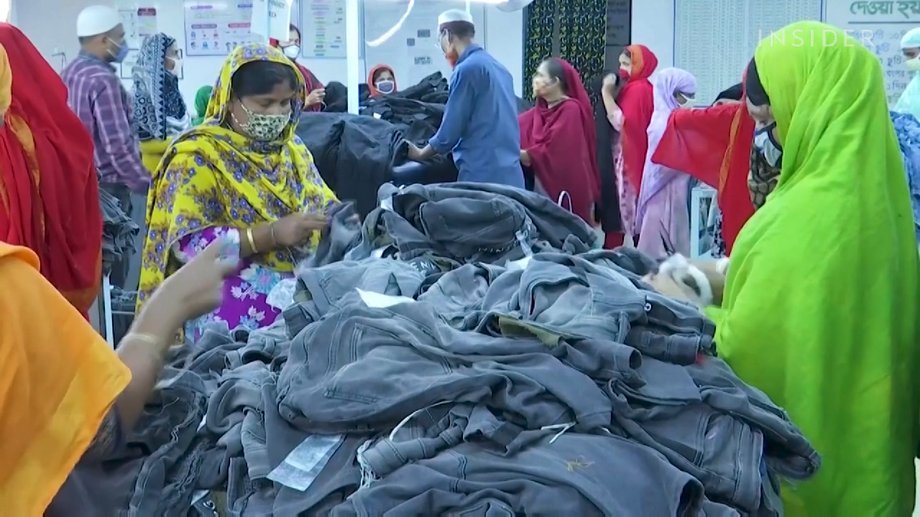
Overproduction is a huge problem in the world
|
Business Insider
Textile waste. What does H&M do?
The H&M Foundation has established cooperation with the Hong Kong Research Institute of Textile and Clothing Industry (HKRITA).
Thanks to this investment, the company obtained a license and installed the technology in one of its stores in Stockholm, where its headquarters are located.
H&M calls it Looop. Here, customers pay just $18 to see the recycling process in action. That's roughly the price of a new pair of sweatpants from the brand.
H&M technician Virginia trims the excess yarn and the garment is ready. It takes three days to recycle one piece of clothing. It seems like a lot of time and effort to turn a sweater into a new sweater.
That's because a factory like this one, which can process thousands of tons of clothes a day, doesn't yet exist. However, H&M claims that this type of technology could become a global solution to the problem of textile waste.
Making clothing from recycled clothing is the Holy Grail of the industry and most of our investment is focused in this area
– explains Pascal Burn, former director of sustainability at H&M.
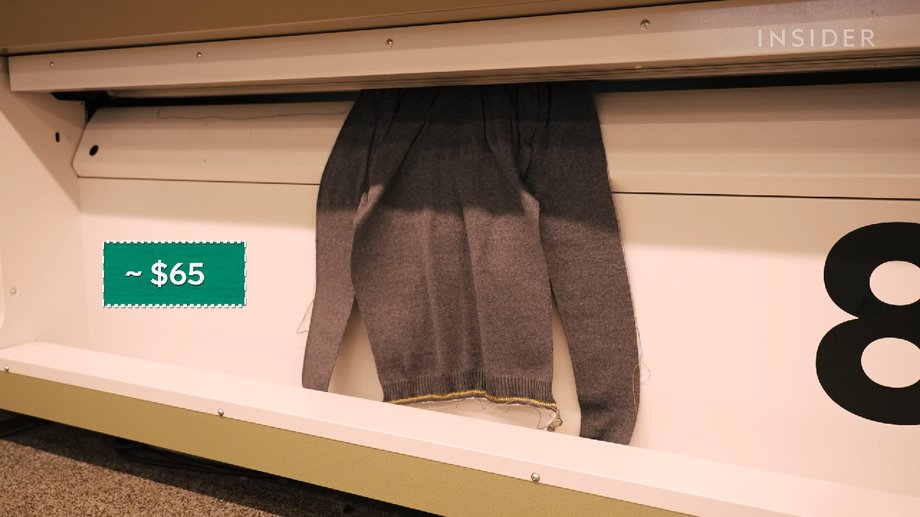
H&M is testing a clothes recycling machine
|
Business Insider
Where did fast fashion come from?
However, clothing retailers continue to expand, selling cheap clothes to more and more people. However, it is not the Swedes who contribute the most to textile waste.
The average American spends over $1,800 a year. for new clothes and throws away textiles worth 200 T-shirts.
People didn't always treat clothes as disposable products. Fast fashion flourished in the 1990s thanks to polyester. Synthetic fiber made from petroleum costs half as much as cotton.
Very few people realize that they wear plastic most of the time
– says Maxine Bédat, director at the New Standard Institute.
By 2000, polyester overtook cotton as the most popular fiber in the world. In the same year, H&M opened its first US store in New York.
Since then, global clothing production has doubled. If nothing changes, it will almost double again by 2030.
Used clothes can go to places like Accra, Ghana, which has one of the world's largest second-hand clothing markets. Every week, 15 million pieces of clothing pass through the Kantamanto market. Almost half of them end up in landfills, are burned or end up in rivers.
We have completely devalued the value of clothing. Currently, it is a single-use product and I don't know how we can change our approach by treating clothing like a plastic bag or a bottle
– says Liz Ricketts, co-founder and president of The Or Foundation.
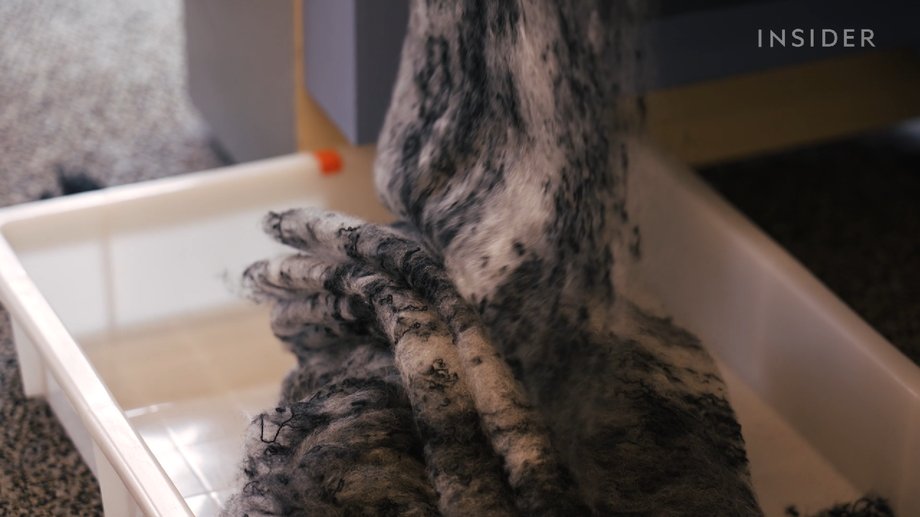
Companies blame lack of recycling, but 'overproduction is destroying the market'
|
Business Insider
Read also: The poor dig in the mud, the rich count their profits. Here, green is not only the color of hope
Who produces the most textile waste?
Liz Ricketts has spent over a decade documenting how second-hand clothing from wealthy countries is exported around the world.
– Many clothes that end up in landfills are wearable, he admits.
Much of the waste comes from well-known brands.
The top ten is easy to predict. These are H&M, Zara, MNS, Adidas, Nike, Gap
– says Ricketts.
The Looop recycling machine would need almost 50,000. years to process one week's waste from the market.
You can't convince yourself that creating clothes in a better way will solve the problem, because there are simply too many clothes
– he adds.
H&M management says it is serious about increasing recycling. The company has set a goal to use only recycled polyester by the end of the decade.
– Together with the Hong Kong organization RITA, we have developed a machine called the “green machine”, says Burn.
The H&M Foundation invested $12 million. in technologies such as this polyester recycling machine and plans to build a larger factory that will be able to process over 1.3 tons of clothing per day.
HKRITA's CEO, however, admits that recycling has a long way to go before it begins to impact the growing amount of waste generated by industry.
“Commercial-scale recycling systems need to have the capacity to process at least several thousand tons per day,” admits Keh.
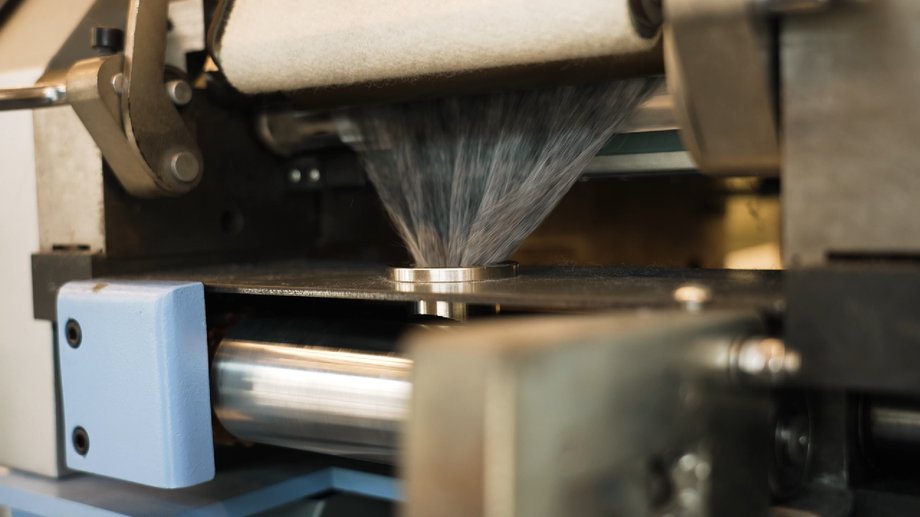
This machine turns used fabrics into new sweaters
|
Business Insider
Currently less than 1 percent used clothing is recycled into new clothes
– It's clear to us that we don't have much time. There is a risk of doing too little, too late, says Keh.
Experts say recycling will never solve the problem of textile waste.
Companies have convinced citizens that we have a waste problem because we do not have recycling technology. That's not why we have a waste problem. This problem can only be solved when companies stop overproducing
– Ricketts thunders.
H&M does not plan to limit the production of new clothing.
– We are a growing company. Our ambition is to make this growth matter – say Burn.
Consumers can help solve this problem by buying less and using clothing for longer.
We always recommend that people don't buy any new things for a year
– says Ricketts.
Even the CEO of HKRITA realizes that recycling alone will not solve the problem. Clothing companies will have to change the way they do business. And that's what keeps him awake at night.
My nightmare, and worst case scenario for the industry, is being complacent. Enjoying very modest goals that don't change much. Then we will be accused of greenwashing and it will basically be true
– Keh admits.