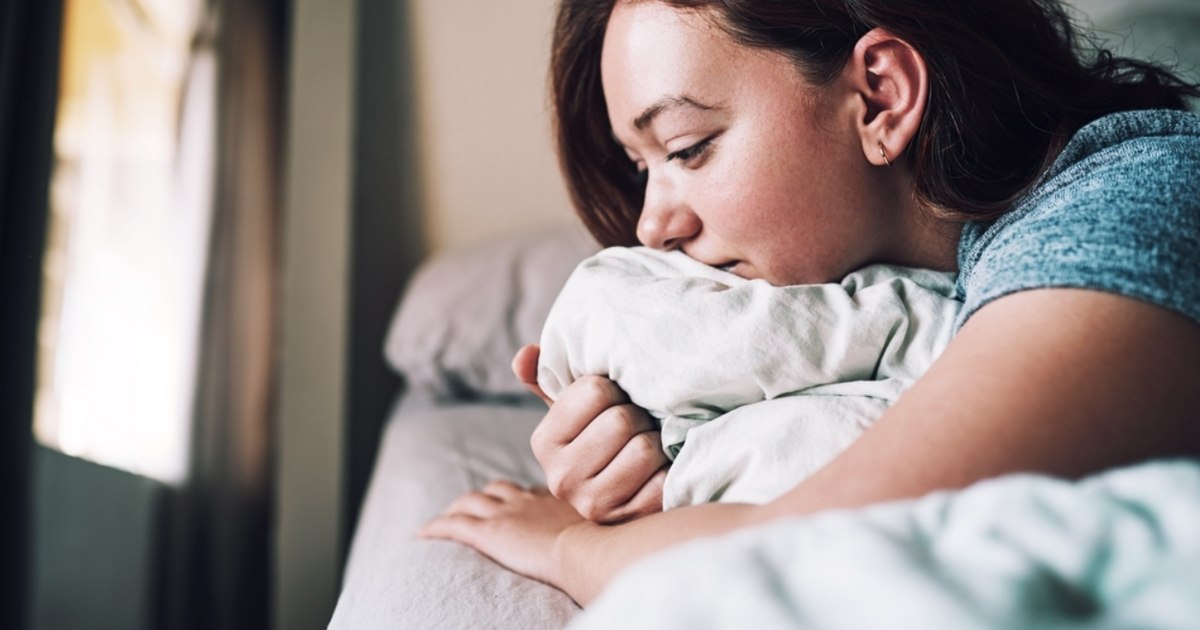
A recent study shows that anxiety and insomnia not only affect mood, but also reduce the number of natural killer cells, vital for the body's defense, thus increasing vulnerability to infections, inflammation and even certain types of cancer. In addition, wider research confirms that sleep disorders are extremely common globally and have direct effects on mental and physical health, and early interventions that improve sleep quality can prevent future problems.
Photo credit: Shutterstock
More precisely, the work recently published in Frontiers in Immunology was carried out on 60 female students between the ages of 17 and 23. About half of these reported sleep problems, and most said they experienced anxiety.
“Students with symptoms of insomnia had lower numbers and percentages of total NK cells and their subpopulations. Students with symptoms of generalized anxiety, on the other hand, had lower percentages and numbers of circulating NK cells and their subpopulations,” explained lead study author Dr. Renad Alhamawi, lead author.
NK cells are important precisely because they destroy pathogens and infected cells before they spread. If their number decreases, the risk of infections, inflammation and even some types of cancer increases, according to specialists.
Previous research shows that exercise, a balanced diet and stress management can support the function of these cells. Even so, anxiety and insomnia can disrupt the immune system if they persist. “Such impacts ultimately compromise overall health and quality of life”says Dr. Alhamawi.
“Anxiety and insomnia aren't just unpleasant states we go through from time to time; they're forms of constant stress that keep the body in a high state of tension. When the body stays in fight-or-flight mode for too long, a lot of energy goes into managing the stress, and the immune system ends up working below capacity. It is not surprising that people who experience long periods of anxiety and disturbed sleep feel physically more vulnerable – the body reacts in the same way as the psyche: it gets tired, it wears out, it is harder to defend itself”, explains for “Adevărul” Ileana Ungureanu, clinical psychologist and integrative psychotherapist.
In his opinion, we should not get used to insomnia and anxiety as if it were “part of life”. “They are the body's alarm signals. In therapy we often work with the idea that returning to a healthy sleep routine, setting clear boundaries, reducing screen time, mindful breathing and gentle movement can gradually calm the nervous system.” she adds.
And when the nervous system is balanced, the whole body works better, including the immune system. “There are no magic solutions, but there are real and accessible steps that take us out of survival mode and into a gentler and more supportive form of care. Healthy managed emotions become, without exaggeration, a form of prevention for the body as well”says Ileana Ungureanu.
What people find out about insomnia when they look for help on the Internet
Another paper published this year analyzed more than a thousand posts on the Swedish forum Flashback, where users ask for and give advice on how to manage their insomnia. The result is a rather mixed but revealing picture of how the Internet is shaping the expectations of rough sleepers.
More specifically, the researchers identified four main areas of referrals: referral to a doctor, changes in sleep routines, lifestyle adjustments and, perhaps most commonly, advice on medications, whether prescribed or not. Many users attributed insomnia to stress or other psychological causes, but drug solutions were the most frequently discussed.
Melatonin was by far the favorite suggestion of users, usually given without much explanation, just based on personal experience. Recommendations for antidepressants, antipsychotics, antihistamines or combinations of these have also emerged, although the researchers point out that such solutions are not always appropriate. Less often, people talked about routine adjustments: less light, sleeping at fixed times, avoiding screens, exercise, nutrition, recommendations that are generally supported by scientific evidence.
What's discussed online can greatly influence how people end up testing various recommendations, the researchers said, how they perceive their problem, and when (or if) they go to the doctor. Hence the relevance of these analyses, because insomnia is not only an individual experience, but also a phenomenon shaped by the information that circulates freely in the digital space.
Sleep disorders: a global public health problem
We remind you that a comprehensive meta-analysis published in September 2025 in the journal BMC Public Health evaluated the effects of sleep quality on mental health in adults. The study, which analyzed 54 studies conducted between 1998 and 2024, comprising a total of 10,196 participants, showed that sleep disorders are extremely common globally
According to the cited source, almost a third of the population shows symptoms of insomnia: such as difficulty falling asleep or staying asleep. Between 4% and 26% of adults report excessive daytime sleepiness, and 2-4% are diagnosed with obstructive sleep apnea (OSA). A recent study that included more than 2000 people showed that 32% of them had “general sleep disturbances”. Also, Aapproximately 17% of adults experience mental health problems of varying severity, and data shows that these problems are becoming more common.
According to researchers Zhiguang Li, Tao Zhong and Xiangpeng Meng, improving sleep quality led to a significant reduction in depressive symptoms and anxiety compared to standard medical care. Specifically, the meta-analysis showed a mean decrease of 2.92 points for depression and 1.14 points for anxiety, both of which were statistically significant results.
At the same time, the paper mentioned that quality sleep also has positive effects on physical health, such as reducing exhaustion, chronic pain and improving quality of life. In addition, sleep disturbances are a predictor of future mental health problems. In people at high risk of psychosis, insufficient or irregular sleep is associated with the severity of hallucinations and delusions. Early interventions targeting sleep can reduce the risk of mental disorders.