The countries that said “no” to changing the time: what effects people felt and what it was found. The example of Turkey


The change of time – the nightmare that overwhelms sleep, health and even the economy – begins to be history in more and more corners of the world. The list of countries that have given up changing time increases from year to year, and the effects are shocking.
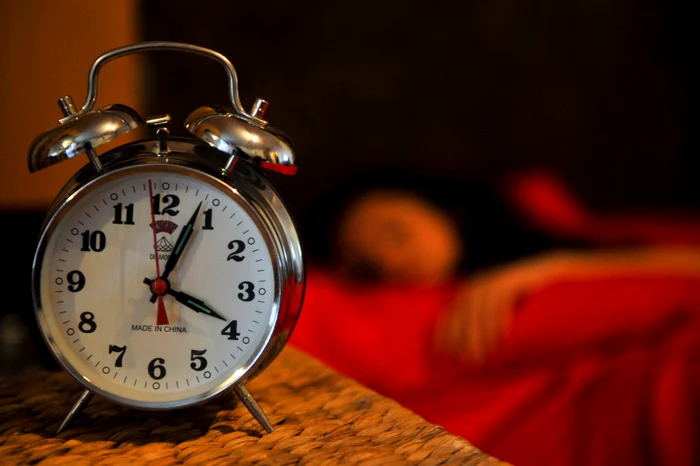
The change of time – the nightmare that overwhelms sleep, health and even the Mediafax photo economy
Immediately after the autumn equinox, on September 22, when the day becomes equal to the night, everything changes. The days become shorter, the longer nights, and the countries that still apply the summer time are preparing for the transition to winter watches on October 25/26.
But not all states make this change. More and more countries that have given up changing the time choose to maintain a permanent standard. The result? More restful sleep, biological rhythm more stable and fewer health problems.
In this article you will find out who said “Stop” to change the time, why they made this decision and what real effects they have already noticed.
Countries that gave up changing the time – who said “Stop”
Turkey, Russia, Iceland, Egypt, Vietnam, India, Japan, South Korea, China, Ecuador, Panama, Colombia – all ended this practice. In the last decade, Azerbaijan, Iran, Jordan, Namibia, Uruguay and much of Mexico also joined them.
Even in the United States, where summer time is still a general rule, there are exceptions: Hawaii and Arizona do not apply the time change, as with Puerto Rico, Guam, Northern Marian Islands and American Virgin Islands.
The reasons for giving up the time change – health, safety and energy
Experts are unanimous: changing the clock is not only annoying, but also dangerous.
- Disturbed sleep: Clock mutations disturb the circadian rhythms and “Disconnect” The body from the natural-night natural cycle. The consequences? Sleep disorders, chronic fatigue and even “Jet Social Lag”term used by researchers to describe disconnection between natural rhythm and everyday life requirements.
- Affected health: Studies show that changing time, especially to the one “summer”increases the risk of heart attack by up to 29%, and stroke by 8% in the first two days. And mental health suffers: in Denmark, depressive episodes increased by 11% after the clock modification.
- Safety in danger: The data in Spain and the US show significant increases in road and work accidents, and even medical errors, immediately after changing the clock. A study of Mayo Clinic has discovered a 19% increase in safety incidents after moving watches before.
- Relating energy efficiency: Although the summer time has been invented to save energy, reality is different. In Arizona, for example, people used more air conditioning in the evening, which increased the invoice.
How to affect the morning and evening light body
The change of time is not just a play, with the clock, a bomb for the natural rhythm of the body. When the watches are given in the spring, the light of the morning, our biological engine, arrives too late. The result? The body wakes up in the dark without the natural signal that tells it: “Now is the time to wake up!”.
Concrete effects:
- Hormones of awakening sleep too: The cortisol, the hormone that gives us energy in the morning, does not activate in time. The first hours of the day become tiring and slow.
- The brain is in the fog: Essential neurotransmitters for mood and concentration – serotonin and dopamine – are not properly stimulated, increasing the risk of fatigue, irritability and depression.
- Sleep is over the head: The extra light in the evening delays the secretion of melatonin, the hormone that prepares the body for rest. As a result, you fall asleep later and sleep less.
Basically, changing the time transforms in the morning into a mining ground: the body and brain are confused, the hormones no longer work properly, and the energy and disposition decrease dramatically.
Therefore, experts recommend what dozens of countries already do that have given up changing the time: keep a permanent standard, so that natural light will properly feed your biological rhythm, day after day.
Turkey – the example of success of the permanent time
In 2016, Ankara made the brave move: permanent time. Authorities have reported clear advantages: economic and social benefits – more light after work, economic activities better synchronized with the rest of the world, more stable economy, more active social life and reducing the risks associated with the changes.
Europe – between promises and stagnation in changing time
In 2018, the European Commission proposed to eliminate the change of watches. The Brussels announced with sizes and trumpets the end of the time change. The European Parliament voted in favor of this measure, but the final decision depends on the consensus of the European Council, because the EU states did not agree. In Romania, changing the time continues without a clear renunciation plan.
USA – a debate that continues about summer time and winter time
Donald Trump called the summer time “Uncomfortable and expensive”and Senator Marco Rubio proposed the project “Sunshine Protection Act”which should have eliminated the time change. But the initiative also stagnates there, while the experts continue to attract attention: the extension of the evening light can be harmful, especially in the morning, when your body needs natural light to adjust the secretion of hormones and essential neurotransmitters.
What follows in the world after giving up the change of time
As evidence of harmful effects on sleep, health and safety accumulate, more and more countries could follow the example of Turkey and Arizona. More and more experts demand the definitive quitting to “Jet Social Lag” imposed by the clock. The American Sleep Medicine Academy advocates for permanent standard time: healthier, safer, more logical – a decision that could save lives, reduce accidents and protect public health.
Until then, the world remains divided: some sleep quietly, others continue to wake up with both the clock and the biological rhythm over the head.