
Car manufacturers offer a wide range of colors, designed to satisfy the tastes of every driver – from classic monochromatic shades to bold shades that catch all eyes. However, according to experts, used car buyers have slightly different priorities when choosing a used vehicle.
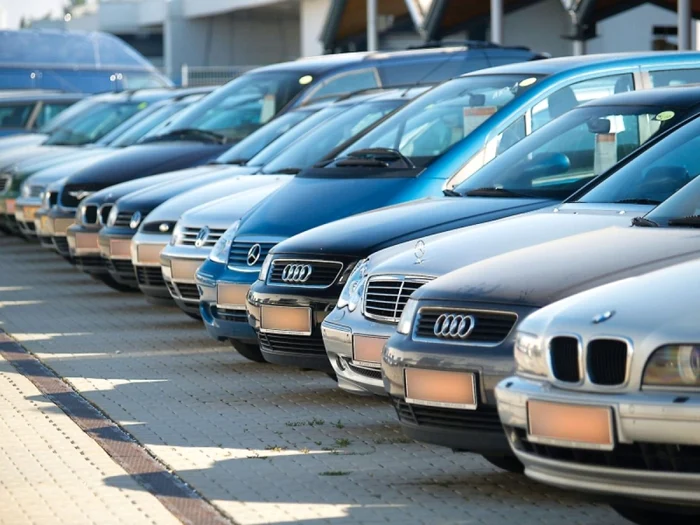
Romanians prefer cars in neutral colors. Archive photo
A recent study shows that most Romanian drivers do not want their vehicles to stand out and avoid bright colors.
Brown and yellow cars are the least attractive to Romanians
Romanian drivers are not willing to choose cars in bright colors, instead preferring monochromatic tones. Of all vehicles checked in 2024, 29.6% were grey, 27.5% black, 18.7% white, 10.5% blue and 4% red.
In 2000, gray cars represented 35.1% of the market, falling to 30.7% in 2020. Black increased from 17.3% in 2000 to 24% in 2020. White increased from 6.7% in 2000 to 21.2% in 2020. Blue decreased from 21.1% to 14.1% over the same period, while red fell slightly from 6.5% to 4.2%.
“Most drivers choose discreet car colors because they don't want to stand out. There's also a pragmatic reason: it's easier to sell a gray or black car than a green or yellow one, because demand is higher for the former type of vehicle.”explains Matas Buzelis, expert in the car market from carVertical.
In 2024, yellow was the least popular color in Romania – only 0.5% of all cars. Brown was not a popular choice either, with a share of only 1.3%.
Brightly colored and black cars require more maintenance
Although the car market of each European country has its own peculiarities, the attitude of Europeans towards car colors is remarkably similar. Grey, black and white dominate most of the countries analyzed while bright colors are much less common. Monochromatic colors are widely considered more practical and easier to maintain.
Over time, brightly colored cars can fade from the sun, so it is not recommended to park red, yellow or orange models in direct sunlight for long periods of time. This problem is especially noticeable in southern Europe where many older cars have visibly discolored exterior paint.
Moreover, monochromatic colors also require care. Black cars are particularly sensitive to dust, bird droppings, insects and plant debris which can leave marks and significantly reduce the value of the vehicle.
“Colors like gray and white are much better at hiding dust, scratches and other small body defects. Even a small scratch will stand out strongly on a red car. Black cars need to be washed more often than any other color and only look clean a day after washing“, says Buzelis.
Color as a maker's signature
According to experts, darker colors are often used for premium models to create a sense of luxury and exclusivity. However, such cars are less popular in southern Europe due to high temperatures, dust and dirt.
Darker shades are common for limousines and airport or hotel shuttles to maintain an exclusive image and meet the expectations of discerning customers.
“Each car manufacturer is associated with certain colors. Historically, Italian cars were often red, French cars blue, British cars green and German cars silver. Although we are talking about the days of the golden age of motorsport, these trends are still reflected in some models today”adds Buzelis.
The car expert recommends choosing a used car based on its technical condition, not its color. Even a car with a nice color can hide a mileage that has been modified or malfunctions. Regarding the exterior paint, Buzelis suggests checking the thickness of the paint to see if the car has been repainted to cover previous damage.