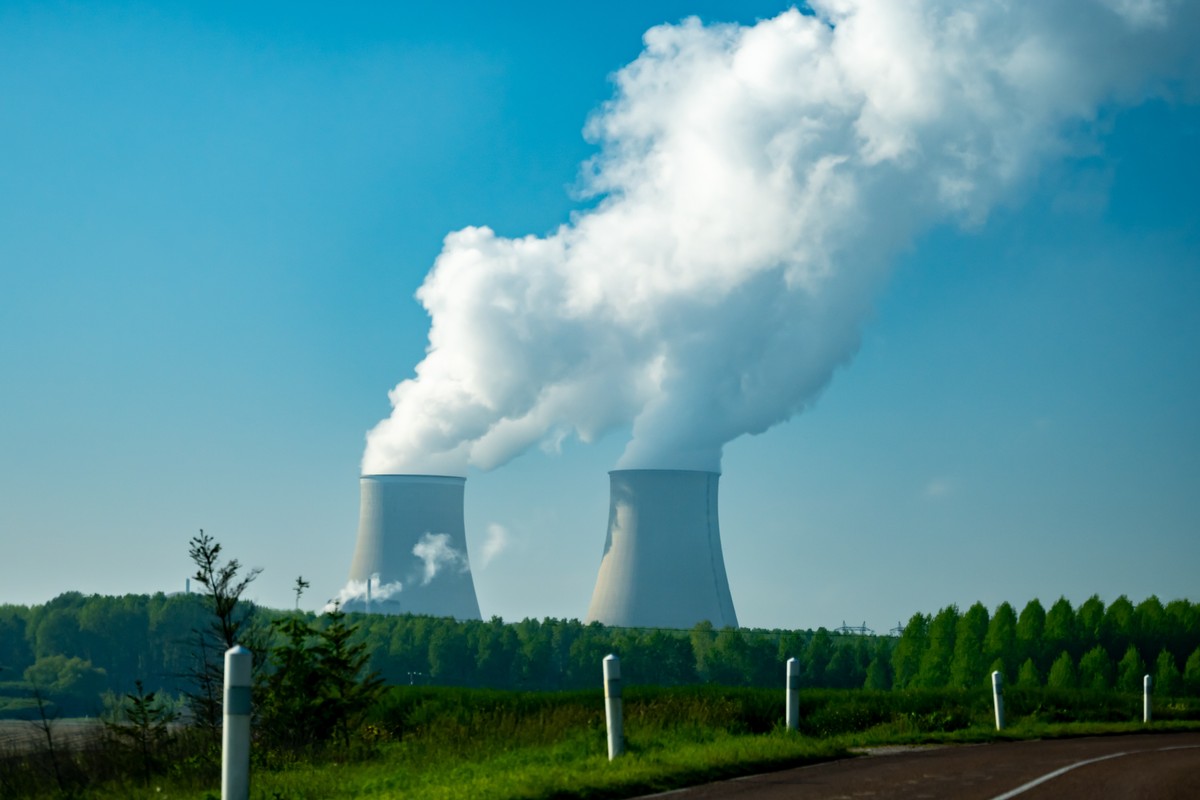
Prof. Wyrwa emphasized that although coal has been the foundation of the Polish energy industry for decades, the current climate goals of the European Union, including the European Green Deal, require a move away from this technology. The transformation is inevitable and its goal is to create a system based on low-emission energy sources, such as renewable energy sources (RES) and nuclear energy.
. The expert noted that the development of renewable energy sources, supported by EU support systems, has significantly reduced the costs of technologies such as wind turbines and photovoltaic installations. Their large-scale use promotes decentralization of the system, which increases its resistance to failures and potential attacks.
Read also: Five difficult topics for nuclear energy in Poland. Will he maintain support? [ANALIZA]
The system must be balanced
However, prof. Wyrwa pointed out the challenges related to renewable energy, including dependence on weather conditions, which requires support from other technologies to balance the system. In Poland, this role is currently played by coal-fired power plants, which increasingly act as stabilizing units. However, due to the rising costs of CO2 emissions and falling revenues from the energy market, these power plants are gradually being replaced by gas units that emit less carbon dioxide. The expert added that in the future, natural gas may be replaced by biomethane and synthetic fuels such as green ammonia.
A problem that may appear after 2030 is the so-called capacity gap resulting from the simultaneous increase in demand for electricity and the withdrawal of coal-fired units. According to prof. Outages and lack of appropriate investments in system development may lead to power outages.
While energy storage could help balance the system, their current capacity is limited, making long-term energy storage impossible. The expert pointed out the need for further research on new technologies that could fill this technological gap.
The need for sector integration
Prof. Wyrwa also emphasized that the energy transformation requires the modernization of the entire system, including distribution and transmission networks, and the integration of various sectors, such as electricity, heating, transport and industry. Development of demand management mechanisms, the so-called DSR can increase the flexibility of the system and improve its efficiency.
In the context of the system's resistance to potential sabotage attacks, the expert pointed out the need to develop local energy and modernize infrastructure, including transmission networks. A distributed energy system is more resistant to threats, which makes it a key element of an energy security strategy.
Carbon fuels with a reserve function
Looking to the future, prof. Wyrwa assessed that the foundations of the Polish energy system in 2045 should be renewable energy sources and nuclear energy, supported by gas power plants using decarbonized fuels.
At the same time, he emphasized that coal-fired power plants should perform reserve and balancing functions in the coming years until other technologies are sufficiently developed. The expert drew attention to the need to support these units so that they can continue to play their role in the energy system.