
Pełczyńska-Nałęcz sharply about the retirement age. “We paid an additional PLN 130 billion”

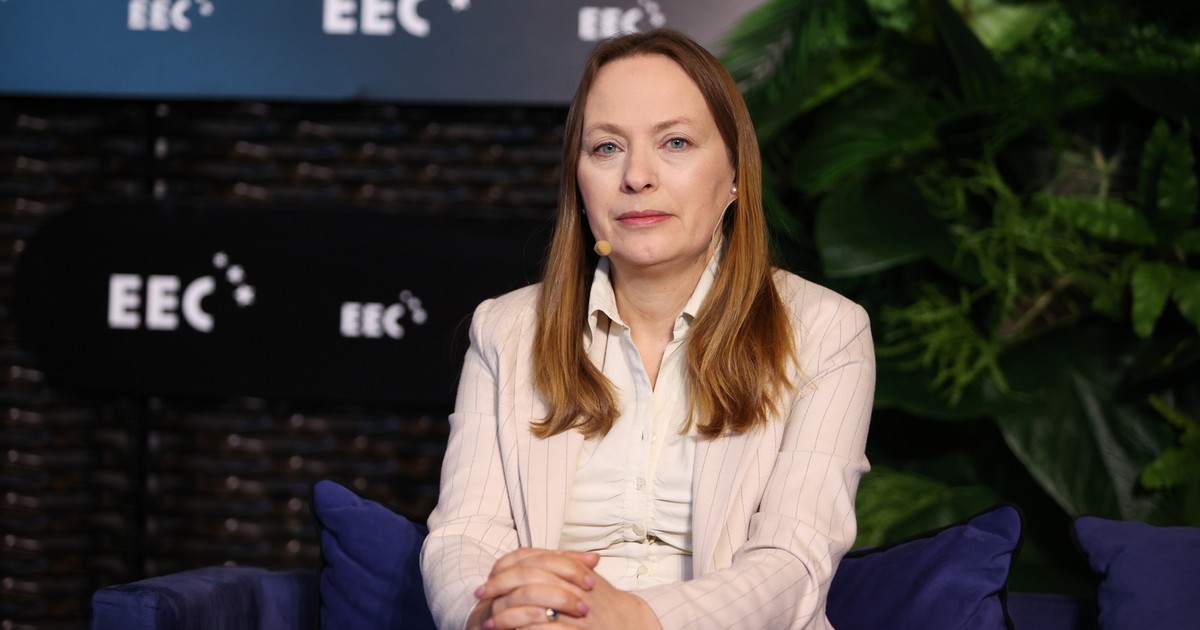
— There are few things as unpredictable as demographics. Demography today prompts us, forces us, should inspire us to have a serious conversation about how to reconcile good policy towards young people with the fact that we have a demographic crisis – said Katarzyna Pełczyńska-Nałęcz during the Impact'26 event.
— In 2000, per young person [w wieku] 15-24 [lat] there was one person in their “second youth”, 60+. Today, for one young person there are three people of this “second youth”, and in fact three seniors, 60+. This is a change that has already taken place, very quickly, noted the minister.
– And this change today tells us one thing: either we will have a wise policy of intergenerational solidarity, in which solidarity goes both ways, that is, young people are in solidarity with seniors, but also, and this is less often talked about, seniors are in solidarity with the young – she added.
Katarzyna Pełczyńska-Nałęcz also drew attention to the connections between demography and democracy. — Democracy in times of demographic crisis poses the risk of senior democracy, that is, a democracy in which the majority of voters think in terms of solidarity of the young towards the elderly rather than the solidarity of the elderly towards the young. – she emphasized.
See also: Rafał Brzoska surprised at Impact'26. “Nothing bothers me”
The minister also pointed out the threats resulting from this type of policy. — Because young people burdened with excessive amounts of levies may be inclined to emigrate. Young people without life opportunities that give them satisfaction and the feeling that this is the country for them and the country with a future may tend to have even fewer children and start families even less. And thus the whole problem starts to get even worse she warned.
See also: Dispute over a new tax in Poland. Andrzej Domański responds to the Americans
The Minister indicates three key areas
Katarzyna Pełczyńska-Nałęcz emphasized that “we need solidarity on both sides.” — First of all, it is […] matter of the pension system. There is no such difference in age between men and women in any other European country, she explained.
— Last year, we contributed PLN 130 billion from the budget to the pension system. This year we will pay additional PLN 160 billion – she calculated.
– This means that young people and working people have an increasing contribution burden so that seniors who have earned it through hard work can receive pensions – she noted. Pełczyńska-Nałęcz revealed that she personally believes that the retirement age in Poland should be equalized.
— Two other areas are housing and education – she said. — From the perspective of middle-aged people and seniors who had the opportunity to earn money on apartments, the higher apartment prices, the better for them. The most important thing for young people is the availability of housing. They want to buy them to start families and have children. This is an absolute conflict of interests, she said. She added that apartments should therefore be more available.
See also: A Polish electric car will be created. The minister reveals the dates
The Minister presents the links between demography and education
— If there are fewer young people, the task of society, a solidarity society, of all of us, is to provide young generations with the best possible education. So that when they enter the labor market, they can work as effectively as possible, which means earning enough for themselves to live with dignity, and thus pay contributions and contribute to pensions from these decent earnings, she emphasized.
— We have a huge problem in Poland. The disastrous reform abolishing junior high schools was a huge crime, said the minister.


