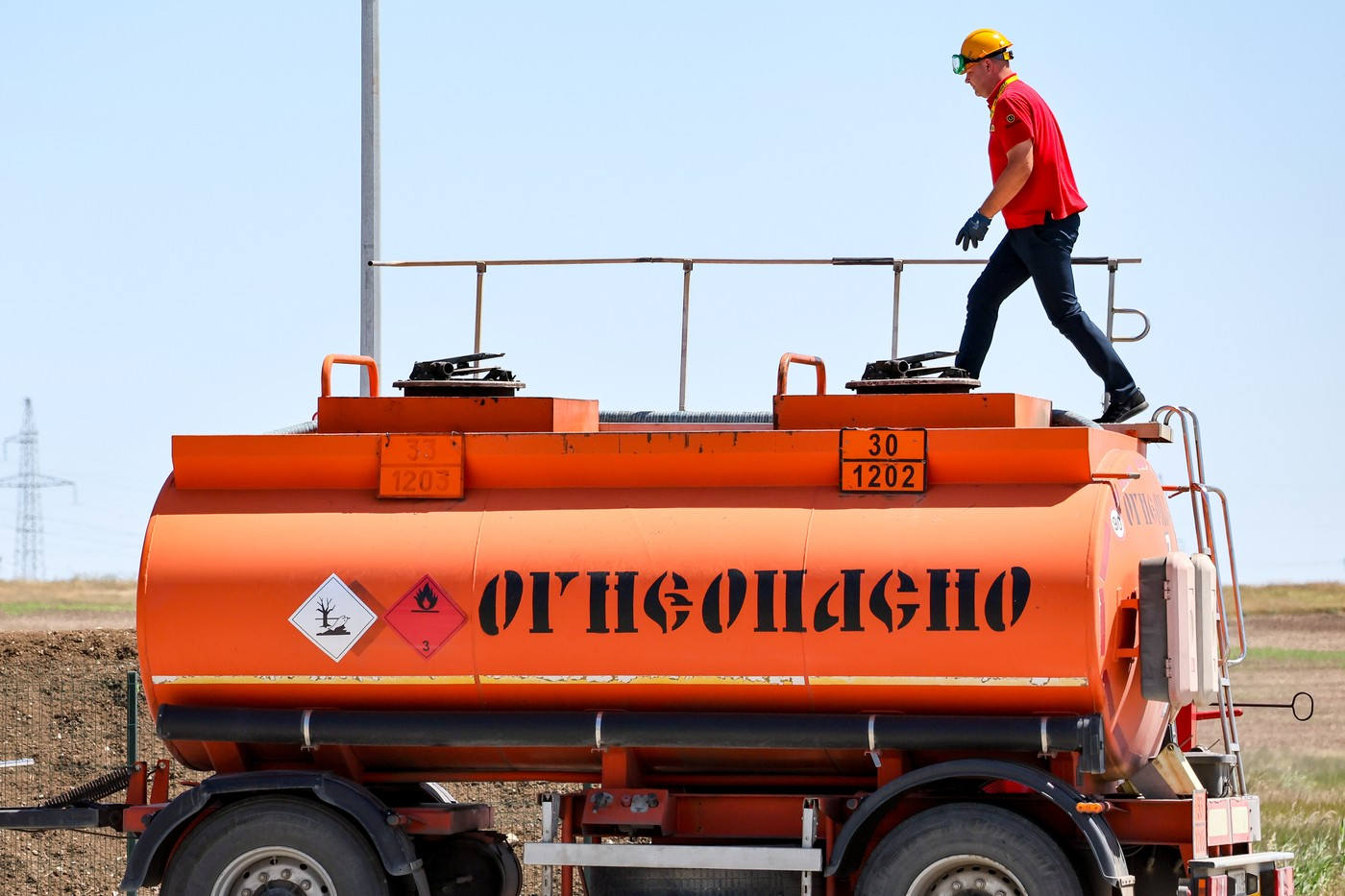
The closure of Serbia's only refinery could have repercussions for years to come, putting thousands of jobs at risk and depriving the state of significant revenue, warned several experts interviewed by AFP.
Since October 9, NIS, Serbia's main oil company, has been subject to US sanctions targeting its Russian shareholders, who own about 56 percent of the company. The Pancevo refinery, the only one in the country, did not receive crude oil for almost two months.
Washington is demanding a full divestment of Russian shareholders Gazprom Neft and Intelligence as a condition for lifting sanctions, but they have given no indication they intend to sell; and after weeks of conflicting statements, the Serbian president announced the closure of the refinery on Tuesday. Given that the refinery supplies 80% of Serbia's fuel needs, this decision means a massive increase in imports of refined petroleum products to cover the shortfall – and therefore additional spending.
NIS “is a very important company for the Serbian economy, and any reduction in its activity would have a substantial impact on the overall economic activity of the country,” former central bank governor Dejan Soskic told AFP.
The shutdown could hurt GDP and reduce growth for years, economics professor warns. Adding to fuel concerns is the threat of secondary sanctions if the Serbian central bank continues to allow NIS – a sanctioned entity – to trade on its markets.
Aleksandar Vucic said on Tuesday that NIS could carry out transactions “until the end of the week”, particularly to pay salaries and subcontractors, but what happens after that is less clear. If Washington were to decide to impose sanctions on the Serbian central bank, the risk would be “the total destruction of the Serbian financial system”, Mr Vucic said.
These secondary sanctions would amount to putting the central bank on “a blacklist”, explained Mr Soskic, “which would mean the end of a normal business climate” in the country. This could also lead to a freeze on foreign assets and a ban on central bank intervention in international markets.
NIS and its subsidiaries contributed more than €2 billion to Serbian state revenues in 2024, according to the company's annual report – nearly 12 percent of the national budget.
NIS owns approximately 20% of the country's gas stations and is one of the largest employers in Serbia, with approximately 13,500 employees. Closing the refinery could eventually lead to layoffs, Mr. Soskic anticipates, and if the central bank shuts it off from the markets, NIS would no longer be able to receive or send money.
Its gas stations would then have to close – even if it managed to get fuel supplies, adds energy expert Zeljko Markovic. Added to these are the US sanctions imposed on Lukoil, also majority owned by Russia, which has about a hundred gas stations in Serbia. The company's license expires on December 13.
In total, Mr. Markovic estimates, if NIS and Lukoil close their gas stations, about a third of the country's gas stations will be out of service. The Serbian president assured the public that state reserves could last for months – without giving figures – and that no shortage would affect citizens. As for an increase in prices – likely if fuel imports become necessary – the state could mitigate it by reducing fuel taxes, Mr. Soskic believes.
How long can this take? Faced with the dispute between Washington and Gazprom, Aleksandar Vucic has given the Russians until mid-January to sell – claiming that firms from Hungary and the United Arab Emirates are interested.
But if the Russians refuse to give up their shares, the Serbian president has warned that his country is ready to buy back NIS – and has just earmarked 1.4 billion euros for that purpose in its recently adopted 2026 budget. Serbia sold a majority stake in NIS to Gazprom for 400 million euros in 2008.
Belgrade and Moscow will also have to agree on their gas contracts: Russia supplies more than 92 percent of the gas used in Serbia, and the contract between the two countries expires at the end of the year.
If it is not renewed “by Friday”, December 5, Mr. Vucic declared, “we will start negotiations with others”.
Material produced with the support of Rador Radio Romania