

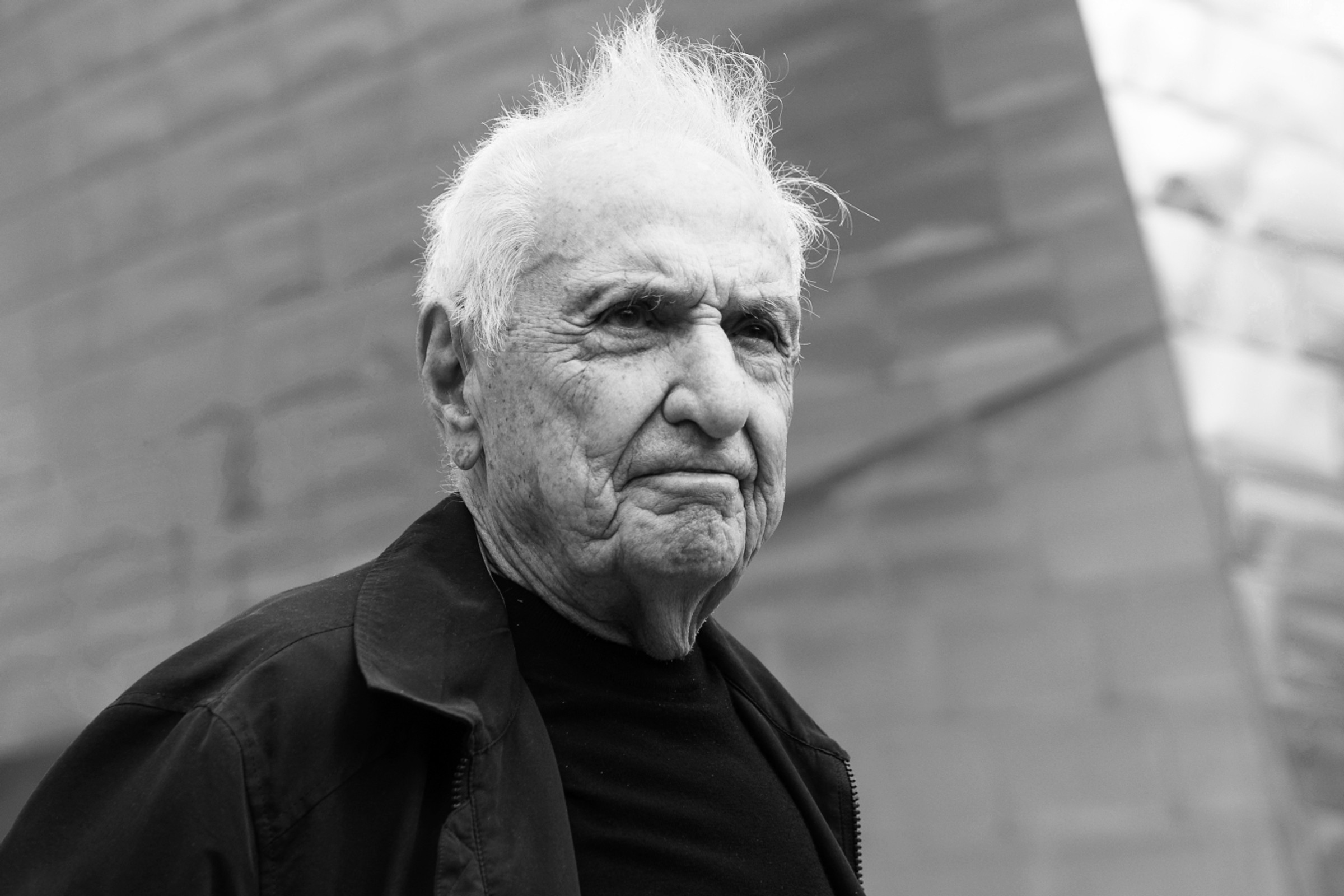
Frank Gehry passed away on Friday at his home in Santa Monica, California, USA. The architect's death was confirmed by the head of his team, Meaghan Lloyd.
The artist was a representative of the deconstructivist trend. His works have the characteristics of a collage composed of pieces made of various materials. Gehry's buildings are also characterized by wavy surfaces and unconventional color combinations.
The most important works of the American-Canadian artist include the Guggenheim Museum in Bilbao, Spain, the Dancing House in Prague, Czech Republic, the Walt Disney Concert Hall in Los Angeles, the Weisman Art Museum of the University of Minnesota and the New World Center in Miami in the USA.
The article continues below the video
When did Frank Gehry die?
Where did Frank Gehry die?
What are some of Frank Gehry's famous designs?
What was Frank Gehry's family history?
Frank Gehry is dead. His family came from Poland
Frank Gehry was born Frank Owen Goldberg on February 28, 1929 in Toronto, Canada. His family came from Poland. The artist's mother was born in Łódź, and his grandparents are buried there in the Jewish cemetery.
In the 1950s he emigrated to the United States and studied architecture at the University of Southern California in Los Angeles and urban planning at Harvard. He then changed his name to Gehry. He took his first steps in the industry while working for Victor Gruen and the architectural firm Pereira & Luckman.
One of the most outstanding architects has died. “I rebelled against everything”
Frank Gehry was a pioneer in his field. He was one of the first to notice the potential of designing buildings using computer models – describes the New York Times.
In 1989, he won the prestigious architectural Pritzker Prize. However, he became famous for his works much earlier. He broke into the world of architecture by designing his house in Santa Monica in 1978.
– I rebelled against everything – he said in 2012 in an interview with the New York Times, explaining his aversion to dominant architectural trends. The artist openly criticized modernism, focusing on expression and individuality.


