

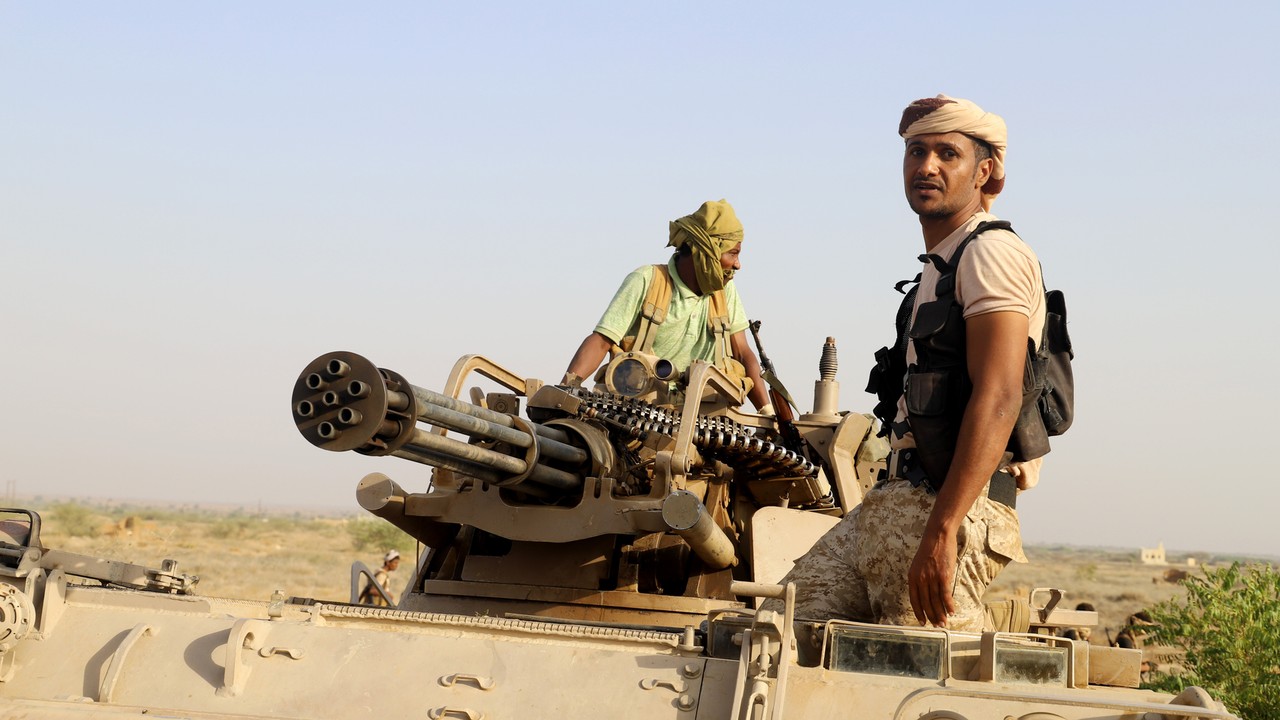
Since the outbreak of the war in the Gaza Zone, Huti regularly attack Israel with ballistic missiles and drones, declaring support for Palestinian Hamas. Since Israel resumption in mid -March after suspension of weapons, Huti fired over 30 ballistic missiles and a dozen drones.
The vast majority of missiles are captured by air defense. At the beginning of May, however, one of the rockets hit the area of Ben Gurion's airport near Tel Aviv – the main international airport in the country. The attack did not cause significant damage, several people were slightly injured.
Many airlines temporarily stopped the traffic to Israel, some of them have still not restored connections. The airport operates normally all the time, Israeli lines operate without interference.
At the end of April, one of the Huti missiles was shot down in the Hajfa area.
Huti also carried out over 100 attacks on commercial vessels flowing through the Gulf of Aden and the Red Sea. The group initially proclaimed that its goal is Israel -related units, and later other ships were attacked.
The raids seriously disturbed traffic on this one of the most frequented maritime routes in the world, forcing many companies to choose a longer and more expensive route around Africa.
USA offensive, Israel's raids
The US formed an international coalition that fought Huti, defending the freedom of navigation. In mid -March, the United States announced a new offensive and intensified the Huti in Yemeni. At the beginning of May, a truce was announced between the USA and Huti. The rebels emphasized that the suspension of weapons does not apply to attacks for Israeli purposes.
Huti raids on Israel meet with strong retaliation. Israeli aviation has attacked in recent weeks, including The airport in the capital of the country, San and the Maritime Port in Hudajda.
Huti are considered a terrorist organization by the West. The group controls a large part of Yemen, in which the civil war has been going on since 2014. In the conflict and the reason for the accompanying humanitarian crisis, according to UN estimates – nearly 400,000 people.


