Fashion and luxury will enter 2026 in a world where volatility becomes the norm rather than the exception. In this complicated environment, only the most nimble brands that can adapt quickly will emerge victorious, according to “The State of Fashion 2026” report.
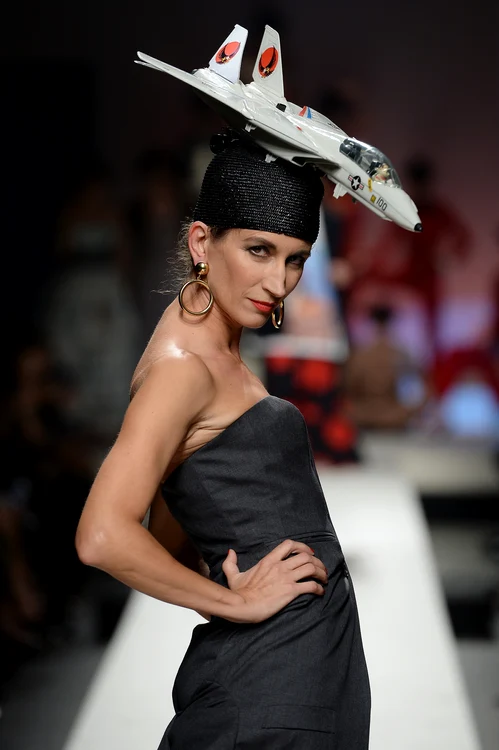
Fashion and luxury will enter 2026 in a world where volatility is becoming the norm. Photo Hepta
Fashion industry executives increasingly describe the current environment as “difficult,” and nearly half of them expect the industry to deteriorate next year, even as a sizable minority see clear opportunities in markets such as China and in new product categories such as artificial intelligence glasses, according to the McKinsey report.
The global economy is changing, the US administration's tariffs are redrawing the map of international trade and raising production costs, while consumers, buffeted by economic uncertainty, are becoming more value-conscious and more selective with each purchase. According to the report, 76 percent of fashion industry executives say disruptions and rising trade barriers will shape the industry in 2026. The top fashion supply hubs most affected by rising tariffs — China, Vietnam, India, Bangladesh and Indonesia — which together account for 63 percent of U.S. textile and apparel imports.
In the luxury segment, the era of mild price-driven growth is coming to an end. According to the report, the top attribute that, according to high-income customers, characterizes luxury is “expertise and quality”.
“Ambitious shoppers are redirecting their budgets towards experiences and well-being, forcing luxury fashion houses into a cycle of reinvention, refocusing on creativity and craftsmanship to rebuild customer trust. Companies are also looking for ways to integrate product, story and customer experience into a coherent expression of their brand value. The mid-market is emerging as the fastest-growing segment, fueled by design-focused brands that enhance the product and in-store experience while delivering obvious value“, eToro analyst Bogdan Maioreanu appreciates.
Jewelry will be in high demand
At the same time, leadership in product categories is at stake. Jewelery will outpace the growth of the overall fashion market by 2028, driven by the demand for timeless pieces, which combine the logic of investment with the expression of one's personality and a growing culture of personal gifts among both men and women.
Smart wearables – including watches, rings, glasses and smart bracelets – are the fastest growing accessory category, growing at 8.3% per year from 2022, which is expected to continue at 9% annually through 2028. Partnerships like EssilorLuxottica and Meta prove that when technology is wrapped in a familiar aesthetic, smart glasses can go from being a novelty to to become mainstream.
With the launch of new display eyewear frames in 2026, fashion brands will increasingly be judged on their ability to credibly collaborate with major tech companies without diluting their own design principles.
AI plays various roles in fashion companies as well
Artificial intelligence has begun to change the labor market in Western society, and fashion will not be immune to these effects. By 2030, 30 percent of employee time across all industries in Europe and the US could be automated through generative artificial intelligence and other technologies, the report notes. In the same time frame, the report states that up to 40% of workers in developed countries will need to retrain or change their roles due to technology.
Today, more than 90 percent of organizations say they will increase investment in generative AI, but only 1 percent describe their deployments as “mature.” AI is starting to play various roles in fashion companies as well, from supply chain management, anticipating trends, to shopping assistance and even supporting creative processes. This could lead fashion companies to make AI a strategic priority within their organizations. Agentic AI could reshape the way people work and collaborate, so fashion companies will need to find ways to capitalize on this emerging technology as well.
McKinsey finds that behind all these changes in demand is an imperative economic necessity: companies need to become more efficient to drive growth. With customs tariffs, labor controls and logistics costs reducing profit margins, traditional advantages such as cheap sourcing or large-scale promotion are likely to no longer be sufficient. In 2026, the winners in fashion and luxury could be those that follow trends ahead of time, treat AI as infrastructure, use pricing to earn long-term trust, and align their brand universes with consumers who want products that provide not just status, but also well-being, community, and longevity.