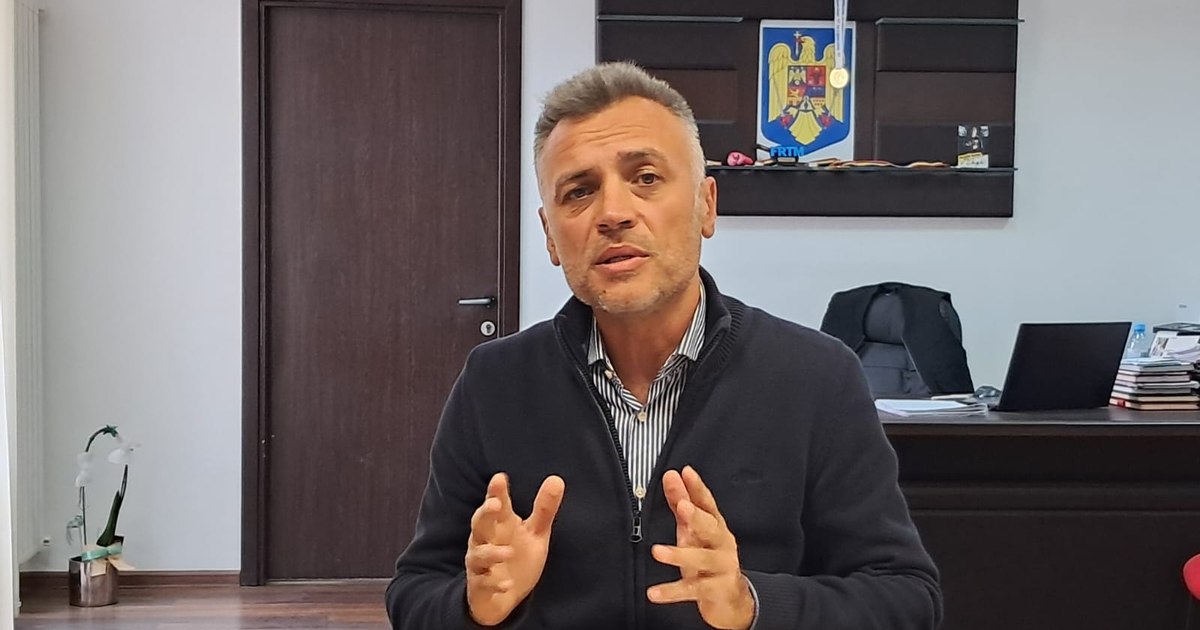
Virgil Popescu announces the complete disconnection from Russian gas: bans in 2026 and complete blockage in 2027


At the beginning of 2026, the European Union will ban imports of Russian liquefied natural gas (LNG) from the spot market, and from September 30, 2027, the complete ban on Russian gas brought through pipelines will come into force. The announcement was made by PNL MEP Virgil Popescu, who speaks of an agreement considered “historical” at the European level.

Virgil Popescu announces the complete disconnection from Russian gas PHOTO: Facebook
In a post on Facebook, Virgil Popescu stated that the EU is accelerating the process of renouncing Russian energy resources. “Total phasing-out of Russia's energy resources. Starting from the beginning of 2026, imports of Russian liquefied natural gas (LNG) from the spot market will be prohibited. From September 30, 2027, the complete ban on imports of Russian gas transported through pipelines will come into force,” said the MEP.
He explains that MEPs from the Committee for Industry, Research and Energy (ITRE), the Committee for International Trade (INTA) and the Danish Presidency of the Council have reached an important compromise regarding the gradual elimination of Russian gases. This agreement comes after repeated pressure in the European Parliament for a total ban on Russian oil.
“As a result, the European Commission has committed to presenting a legislative proposal in early 2026 so that the ban is applied by the end of 2027 at the latest“, said Popescu.
Tougher rules to block sanctions evasion
The MEP states that the new rules will introduce strict measures to prevent the evasion of prohibitions: additional controls, detailed documents regarding the country of origin and strengthened checks at the level of the customs authorities, before import or storage.
Virgil Popescu emphasizes that Romania has a contribution “strategist” in this process, through the resources of the Black Sea, the regional energy infrastructure and its position on the eastern border of the European Union.
“Romania plays a strategic role in this process: through the gases from the Black Sea (a project that I started as Minister of Energy), through the regional energy infrastructure and through the position on the eastern border of the EU, Romania contributes directly to European energy security and to the success of this phasing-out”mentioned the MEP.
Next steps in adopting the agreement
According to Popescu, the provisional agreement must be approved by the European Parliament and the Council in order to become law. On December 11, a joint vote in ITRE and INTA is scheduled, followed, between December 15 and 18, by the final vote in the plenary of the European Parliament.
“Europe is accelerating its disengagement from Russian energy, used as a weapon of blackmail. Romania is an active part of this strategic change”said Virgil Popescu.