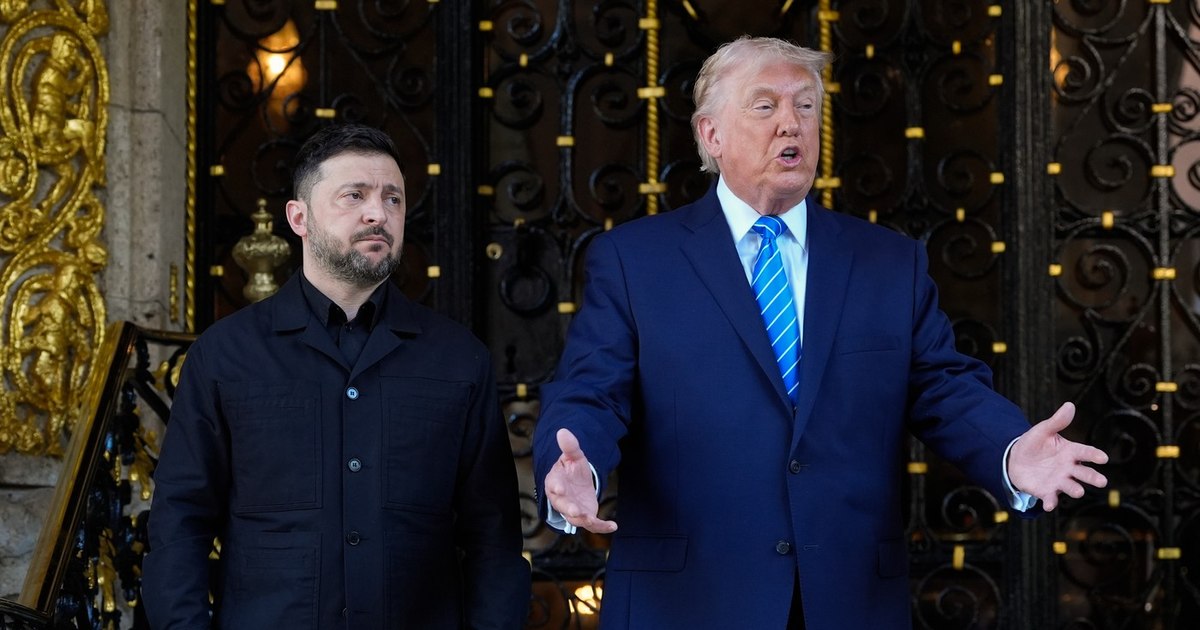
Caracas currently has extremely little room for maneuver. US President Donald Trump announced the “closure” of Venezuela's airspace over the weekend — a step without a clear military definition, but with a clear symbolic meaning. Meanwhile, a large American fleet is gathering near the coast of Venezuela. Officially, it's about fighting drugs.
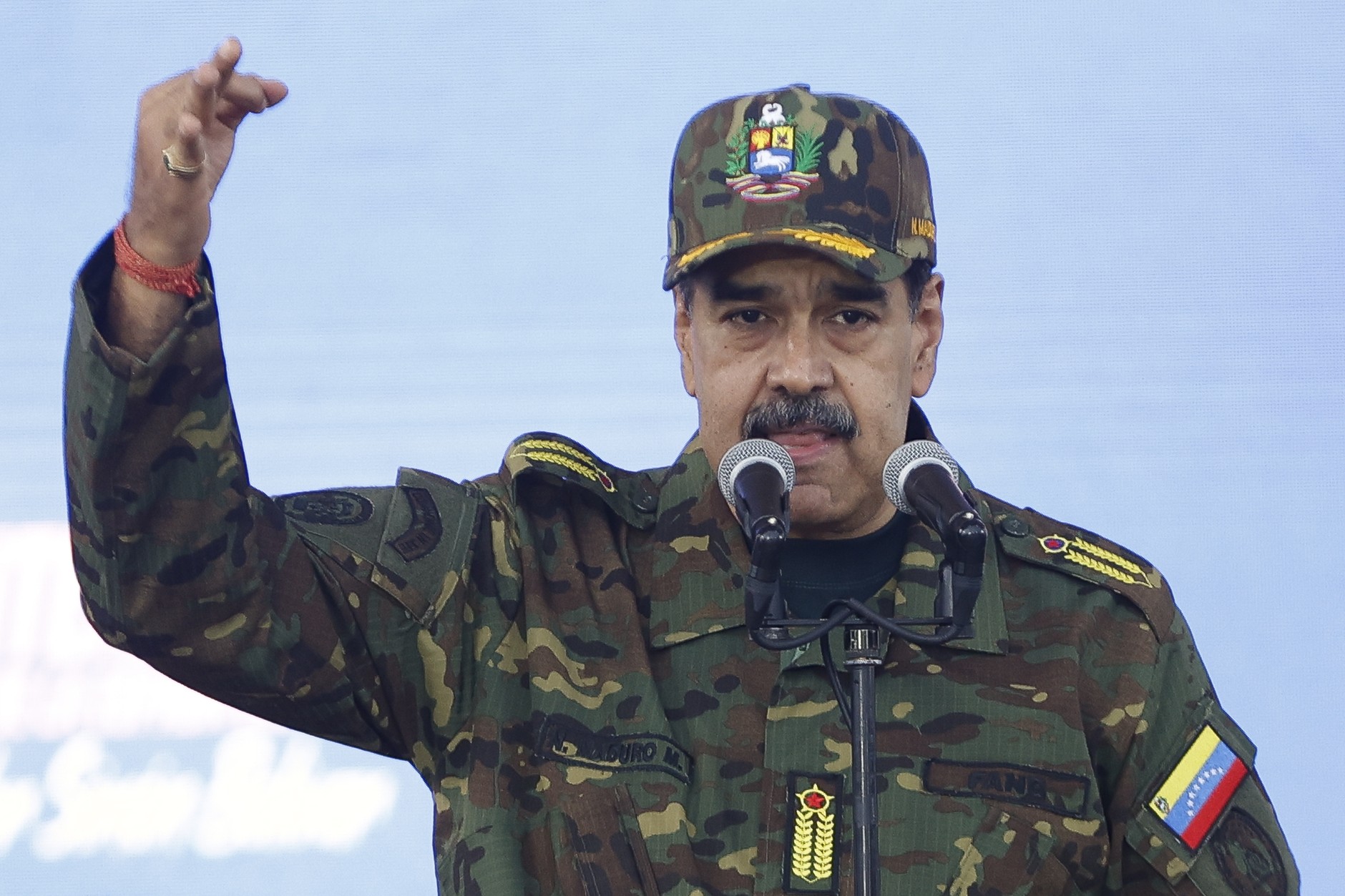
Recently, Trump and Venezuelan dictator Nicolas Maduro were scheduled to talk on the phone. Both remain silent about the content of the conversation. Shortly thereafter, Maduro disappeared from public space for several days.
It is unclear whether Trump actually plans to escalate or whether the threats serve primarily political purposes. This means a difficult situation for Caracas – any reaction by the regime may intensify the dispute with the White House.
The current conflict with Washington is the result of the events of recent months. Since taking office, Trump has abolished privileges for Venezuela in the oil sector, tightened sanctions and systematically increased pressure on the Maduro regime.
The United States also began attacking Venezuelan boats suspected of drug smuggling — despite a lack of evidence to justify such action.
Caracas presented these operations as an unlawful use of force. The Venezuelan regime highlighted the numerous deaths to put pressure on the United States internationally.
Even in the US Congress, skepticism towards the actions of the American president is growing. Trump's tactics seem full of contradictions: he sends public threats while at the same time communicating his readiness to talk. For Venezuela, the development of events is difficult to predict. Currently, there are three possible options.
Scenario one. Limited military attack
The massive naval presence, the closure of airspace and increasingly clear signals from Trump indicate that Washington is preparing at least a limited operation.
Such an attack could hit infrastructure that the United States classifies as part of criminal networks. From a political point of view, this would be a way to weaken Maduro without launching a long-term operation.
However, Venezuela's response remains unpredictable: the regime could tighten the state of emergency, take more repressive measures in domestic policy, or mobilize international allies.
Scenario two. Change of government under pressure
According to media reports, Washington offered Maduro safe passage out of the country if he steps down immediately. According to the American television CNN, Caracas rejected this proposal. Venezuela has set far-reaching conditions: international amnesty for Maduro and his entourage, as well as partial control over the armed forces.
After Washington rejected these terms, Caracas apparently tried to initiate another phone call but received no response.
A change of power without military intervention would only be realistic if the power structures in the country collapsed. However, despite the poor economic condition, equipment shortages and internal corruption, The Venezuelan armed forces are strongly associated with Maduro and have little reason to engage in a risky transition scenario.
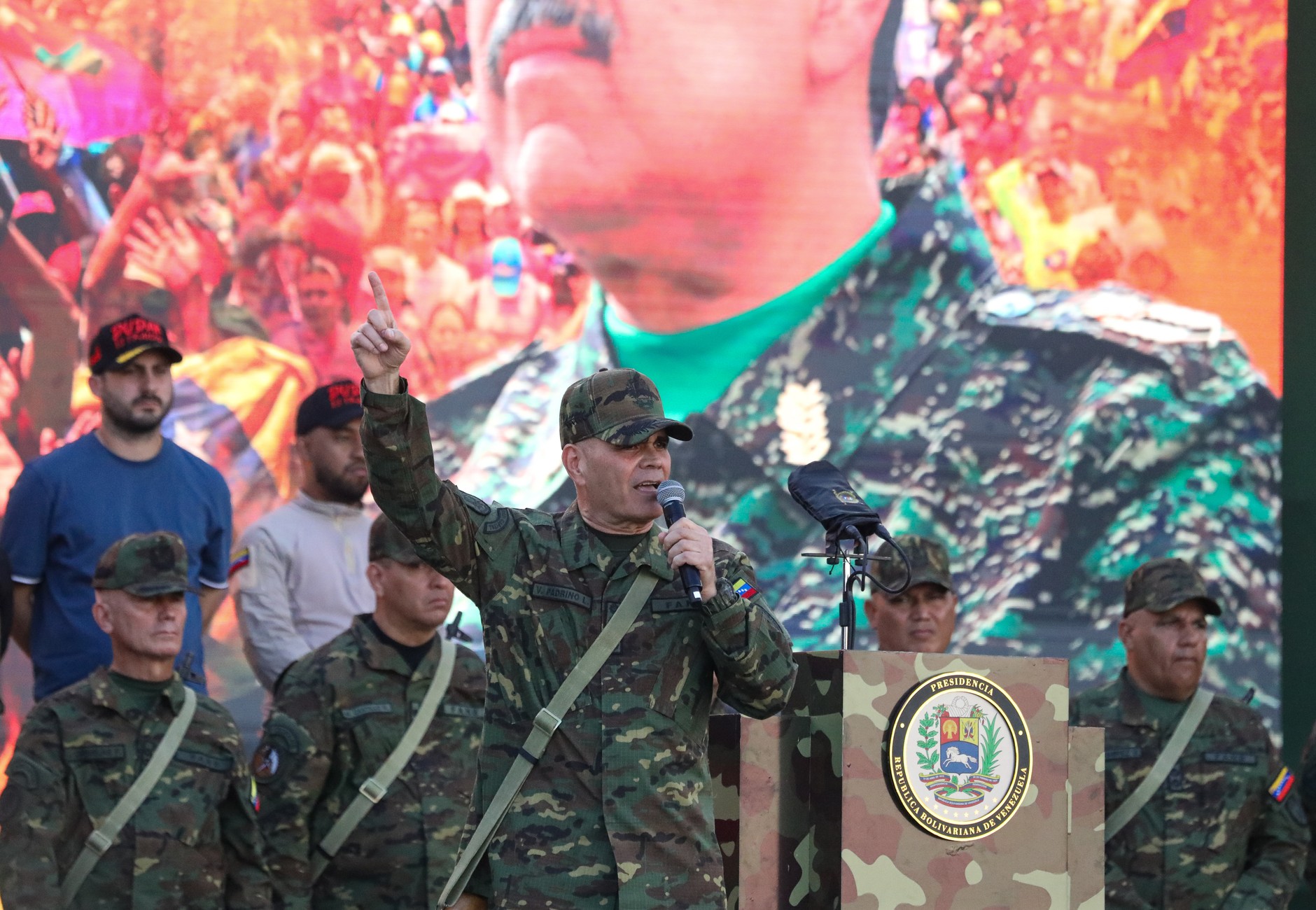
Commander-in-Chief of the Venezuelan Army, Vladimir Padrino Lopez, with his soldiers (illustrative photo)Ivan McGregor/Anadolu via Getty Images / Contributor / Getty Images
Scenario three. Flight or tactical withdrawal
Maduro's disappearance lasting several days fueled speculation about his possible flight abroad. His subsequent speech was intended to normalize the situation, but did not answer any political questions.
A sudden exile now seems unlikely. The government rather focuses on gaining time, seeking talks, and responding to Americans' demands. Caracas wants to leave all options on the table. The regime will do a lot to stay in power
The situation of the regime in Venezuela is difficult. The United States has created a confusing situation. The direction the conflict will take now depends less on military capabilities and more on political decisions.