István Veres, the chef originally from Târgu Secuiesc who obtained a Michelin star: “Traditional food is like a church. You don't have to interfere with it”

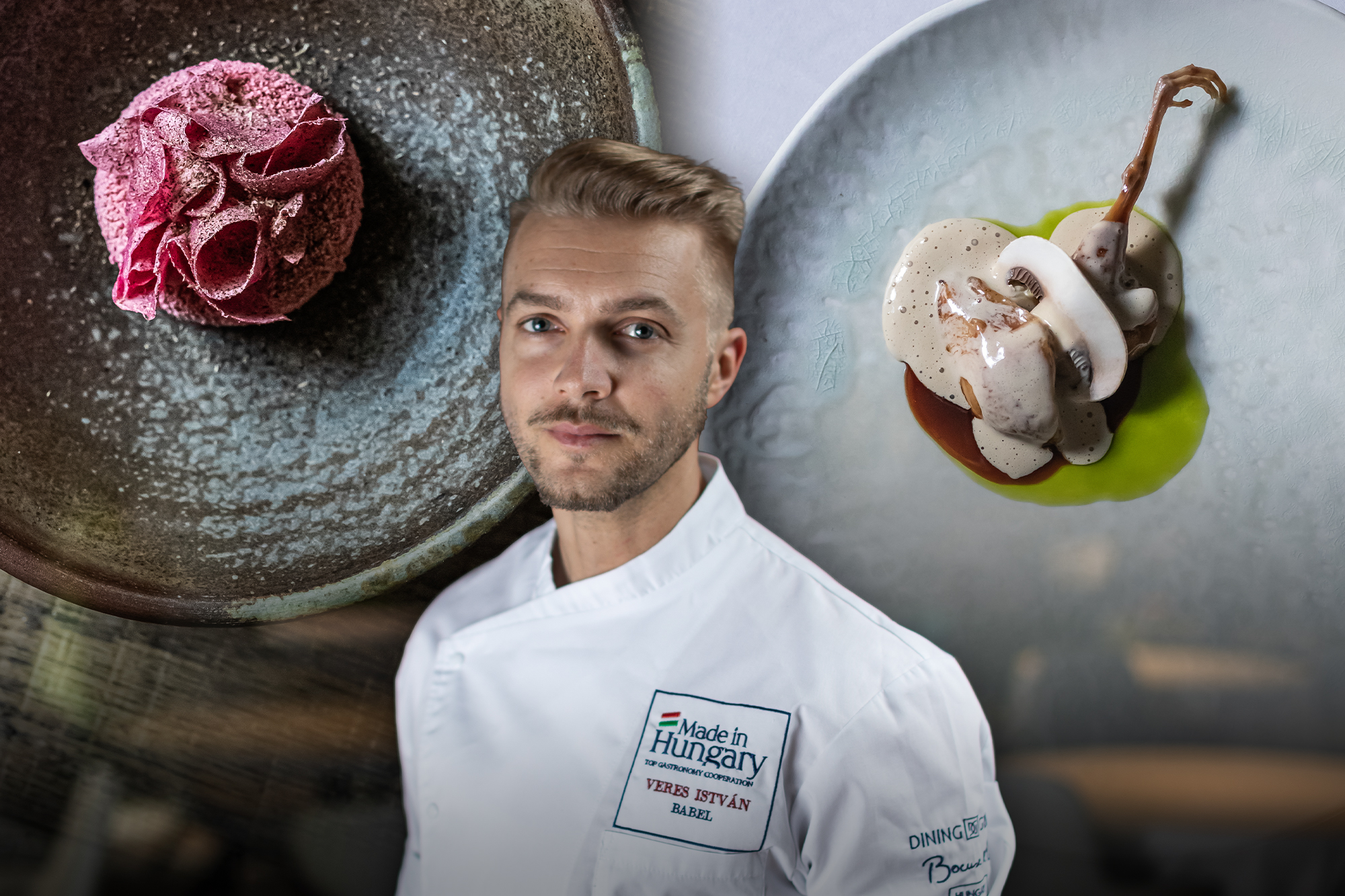
No restaurant in Romania has a Michelin star, and the reason is not only related to the high price of such an experience, says István Veres, who has such a distinction in his record. He believes that Romanian ingredients are excellent, and local gastronomy could rely on them to develop.
- In 2019, István Veres received a Michelin star for the Babel Budapest restaurant in Hungary. He has worked in some of the most important restaurants in Europe, but despite his international experience, there is always something in his menus that reminds of home.
- István Veres won the Hungarian final of the prestigious Bocuse d'Or competition and represented Hungary at the Bocuse d'Or world final 2021. Now he was a juror of the national selection of Bocuse d'Or, the prestigious international competition to which our country was invited for the first time. The national selection took place on November 27, in Brașov, and the winning team will participate in Bocuse d'Or Europe 2026, which will take place in Marseille.
- “I always used only ingredients that I discovered in my native area,” says the chef in an interview for HotNews.
“I was almost born in the kitchen”
István Veres grew up in the family's restaurant in Târgu Secuiesc, Vadrózsák-Măcieșul, where he formed his culinary identity and where he still works today. “I always say that I was almost born in the kitchen. I learned everything here, in the kitchen of the family restaurant, which still exists today,” says chef Veres. He spent his childhood between his grandparents' village, the herb garden and the restaurant of his parents who worked a lifetime in the HORECA field. “I never wanted to be anything other than a chef,” says István Veres.
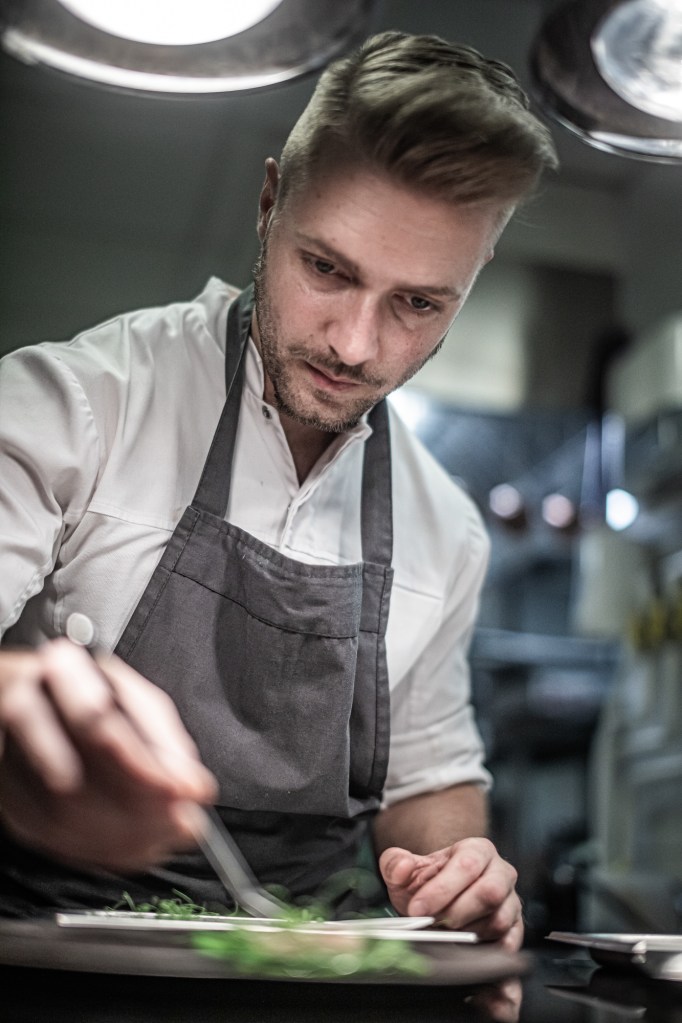
He left Romania to learn more, and Paris became his second professional home. “I did culinary school there (No. École Supérieure de Cuisine Française Grégoire-Ferrandi) and after graduation I stayed and worked directly in a 3 Michelin star restaurant (No. L'Arpege, led by chef Alain Passard), where it was very hard, very intense,” says István Veres about the beginnings.
His professionally formative years in Western Europe were intense, with days spent in the kitchen: “Every day I worked 18, 19, even 20 hours a day… and every day I sweated 'blood' to do the job right.”
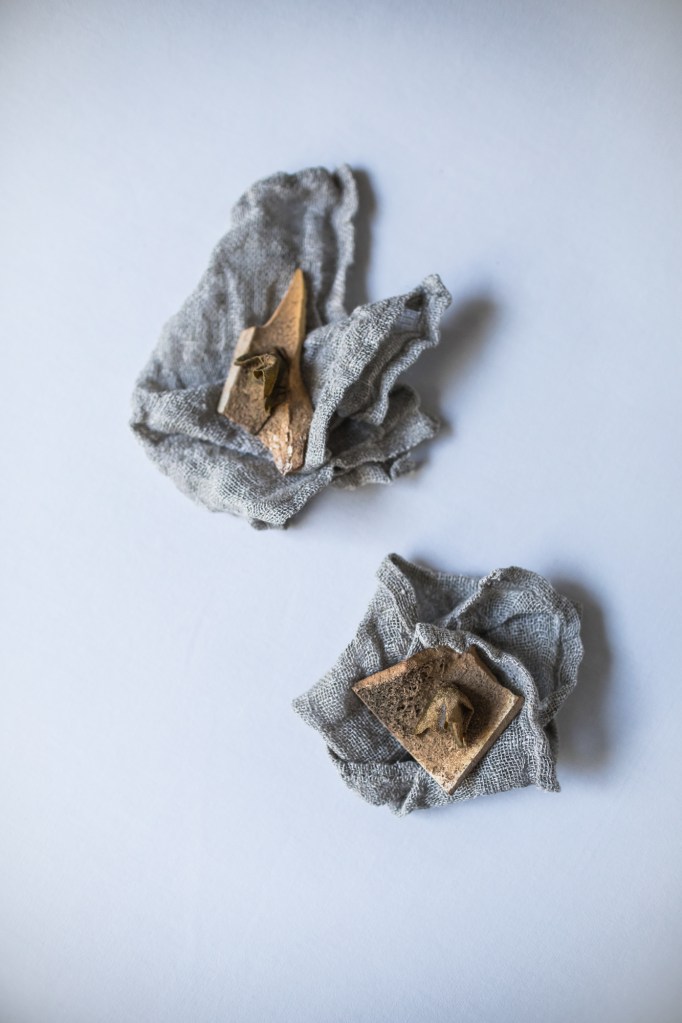
In 2016 he returned home, to Târgu Secuiesc, and received an offer from Hungary, from the Babel Budapest restaurant. “It was a restaurant that in 2016 was not very famous, it was, let's say, a 'pub'. But my dream was always to have my own Michelin star. I worked very hard and in 2019 I managed to get it”, he says of how he achieved his dream.
“I always used only ingredients that I discovered in my native area”
István Veres has worked in several Michelin star restaurants. He was employed for a year at Patrick Guilbaud in Dublin, rated with 2 Michelin stars; he continued with L'Ortolan, a restaurant with a Michelin star in Great Britain, where he worked for a year, before leaving for Maze, Gordon Ramsay's restaurant with a Michelin star.
However, Szekler culinary roots remain central to the way he constructs his menus. “I always used only ingredients that I discovered in my native area… I like root vegetables: beetroot, carrot, parsnip, parsley root. And I like to use all parts of the vegetable. And the peel, and everything,” says chef Veres. Today, he works in the family restaurant in Târgu Secuiesc.
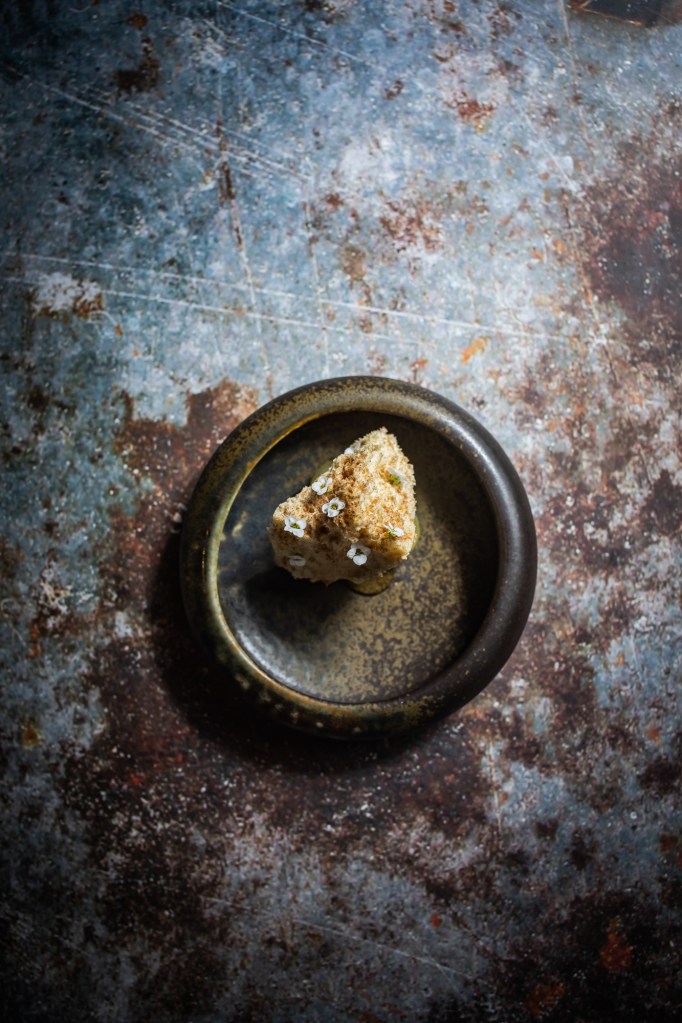
The Romanian and Szekler gastronomic identity, he says, are so mixed that it is difficult to really separate them: “We Hungarians are minorities… and we have influences from Romanian gastronomy. And Romanian gastronomy has influences from the Szekler side. So they influenced each other. And I could say that they also mixed quite well.”
When could Romania get a Michelin star?
No restaurant in Romania has a Michelin star yet, and István Veres talks about the reasons that led to this situation.
“The first would be the customers. It seems to me that they, in Romania, are not yet ready for something like this. And if they are, they are too few to maintain such restaurants.” The price of such an experience is a key factor: “For a dinner at a restaurant with a Michelin star, you pay around 200 euros per person.”
Another reason why Romania does not have restaurants with Michelin stars is the infrastructure, says chef Veres. However, he says that good chefs and good restaurants have started to appear in Romania.
He believes that Romanian ingredients are excellent, and local gastronomy could rely on them to develop. But, compared to France, it has a historical handicap: French top cuisine has a tradition of 300-400 years, while in Romania and Hungary, the field started to develop only 10-15 years ago.
“We are really on the best path and now, with the Bocuse d'Or, I say that in 5-10 years there will definitely be Michelin stars for Romanian restaurants.”
Would he return to open a restaurant in the country? “If I were to do this, it would definitely be in Bucharest.” And it would take “at least 5 years” to get a Michelin star here too, he believes.
A “once in a lifetime” experience
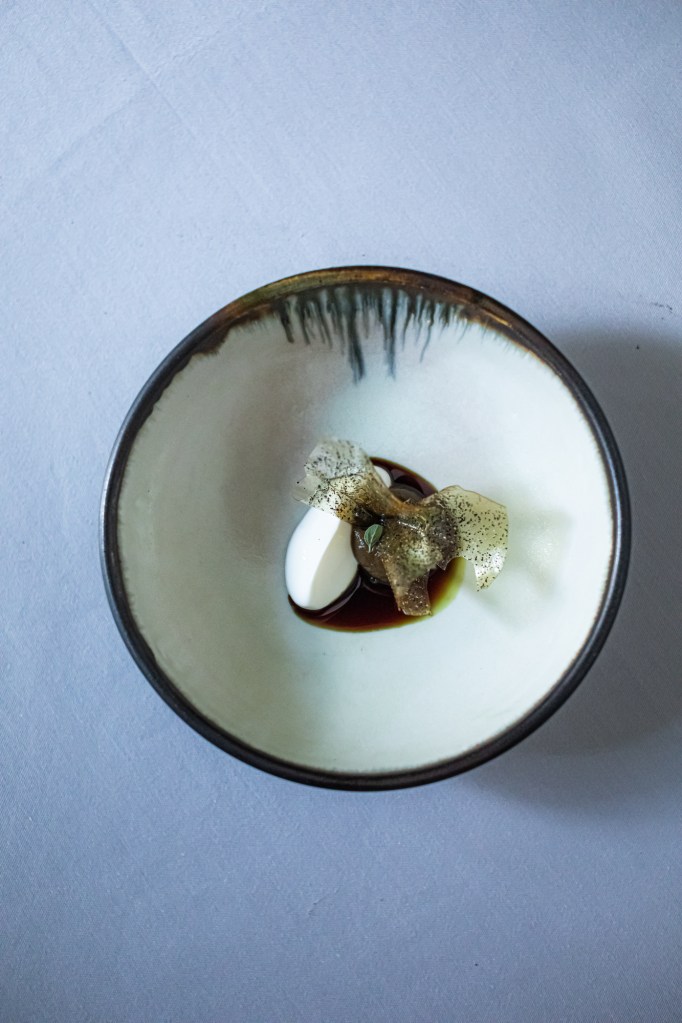
Why does a Michelin experience cost so much? “A restaurant with a Michelin star must have a menu that is a philosophy in itself, a symphony in which the chef puts his heart, soul and personality. Let's also talk about costs. In a restaurant for 30 people we are talking about at least 20 employees, and the ingredients are of the highest quality, often produced especially for that restaurant, thus having a price several times higher than on the market. Plates and cutlery are also unique and extremely expensive,” explains chef Veres, who points out that this is reflected in the menu's price.
“These restaurants are generally “once in a lifetime” experiences, places for special occasions, which we can remember for a lifetime, not ordinary taverns for everyday meals,” says Chef Veres.
Bocuse d'Or and Romania's entry into the big league of culinary competitions
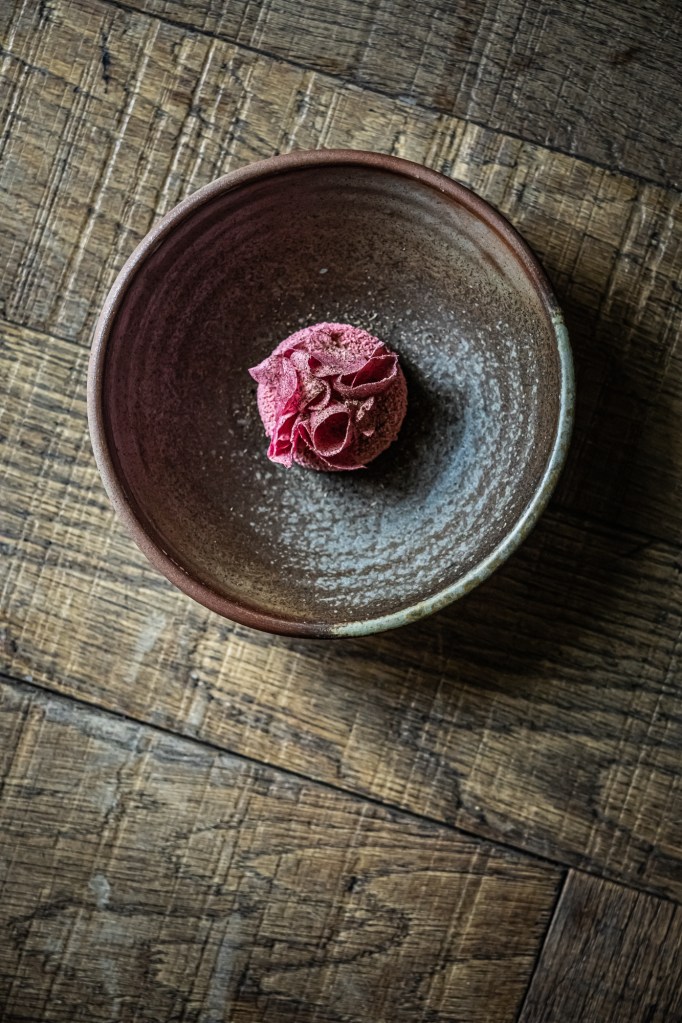
Now, István Veres has been a juror of the Bocuse d'Or national selection, after competing for Hungary in 2021. The entry, for the first time, of Romania in the prestigious Bocuse d'Or competition circuit, initiated in 1987 by the legendary French chef Paul Bocuse, represents an important moment for local gastronomy. “I am very happy to be a judge here in Romania. It is a very serious competition. Romania has participated in several culinary competitions, but this is the competition of competitions. It is at the highest level,” he says.
The national selection took place on November 27, in Brașov, and the winning team will participate in Bocuse d'Or Europe 2026, which will take place in Marseille. The winners of the national selection will thus have the chance to fight for qualification in the Bocuse d'Or 2027 world finals, in Lyon. The team that ranked first after the national selection is made up of chef Vasilića Bejenaru, coach Liviu Preda and commis Andrei Fabian Lupoi
At the Bocuse d'Or, explains István Veres, all elements matter: cleanliness, organization, teamwork, creativity, style, shapes, colors, taste and temperature. “When I say temperature, I don't know if you understand what I'm talking about. It's a very important detail and the most difficult to execute in the competition. Imagine that in a big hall where the competition takes place, where several thousand people have to fit… The journalists take pictures, which probably takes more than 5 minutes, after which the respective team portions the meat and makes the plating for 12-14 people. After that the waiters take the plates and prepare them for jury, who takes pictures again. And when the jury tastes, it needs to be very precise, taking into account the ventilation in the hall, for example,” explains chef Veres.
What did you watch most closely as a juror? “Cleanliness is very important. Organization in each stall is very, very important…then taste. Taste is the most important aspect.”
“No one cooks like mom”
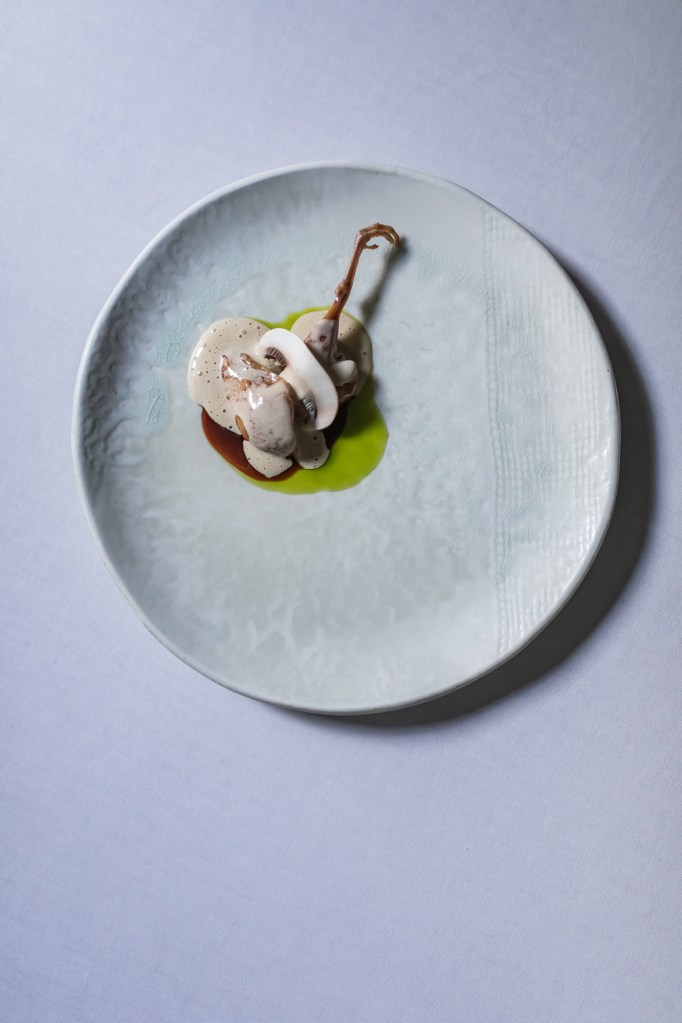
István Veres remains faithful to a natural approach to gastronomy: “I have always made a natural gastronomy… in my gastronomy I always do fermentation, I ferment almost everything.” Instead, he sees no room for technologies like artificial intelligence: “Never, certainly never.”
Another aspect that the chef points out is the need to work and prepare to reach a high culinary level. “In most of the top kitchens where young people work abroad, they are 'infected' with false information. Life, I think, has sped up, and young people no longer have the patience to learn. They want everything quickly: the learning process to happen quickly, development, success, money”.
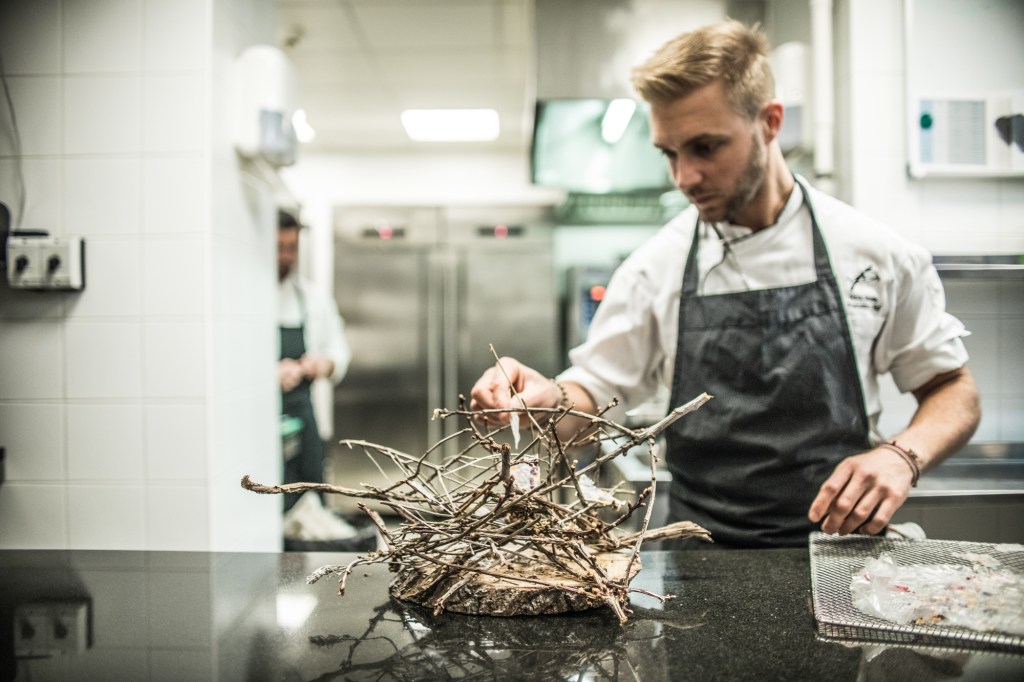
He is attached to the way his mother cooks, who has decades of experience in the kitchen. “My mom's chicken paprikash is the best. Every time I've come home from abroad, I've had chicken paprikash and it's been phenomenal. And I've always tried to make it, but it never tastes the same. I don't know, something's missing. Nobody makes food like mom.”
Asked if he has ever tried to reinterpret it to put it on the menu of a Michelin-starred restaurant, Chef Veres says: “To be honest, I don't like that – to reinterpret a traditional dish. A traditional dish that has been like that for 100, 200 or even hundreds of years, for me it's like a church – it doesn't have to be, how should I say… intervened. It has to be kept as it is. I like to create new dishes, that is new tastes”.
In ten years, chef Veres sees himself running his own restaurants: “I want to have my own restaurant, or even two — both in the country, in Romania, and somewhere abroad — in addition to the family restaurant we have now,” he says.