How could Steve Witkoff be received in Moscow and what expectations are there from this visit

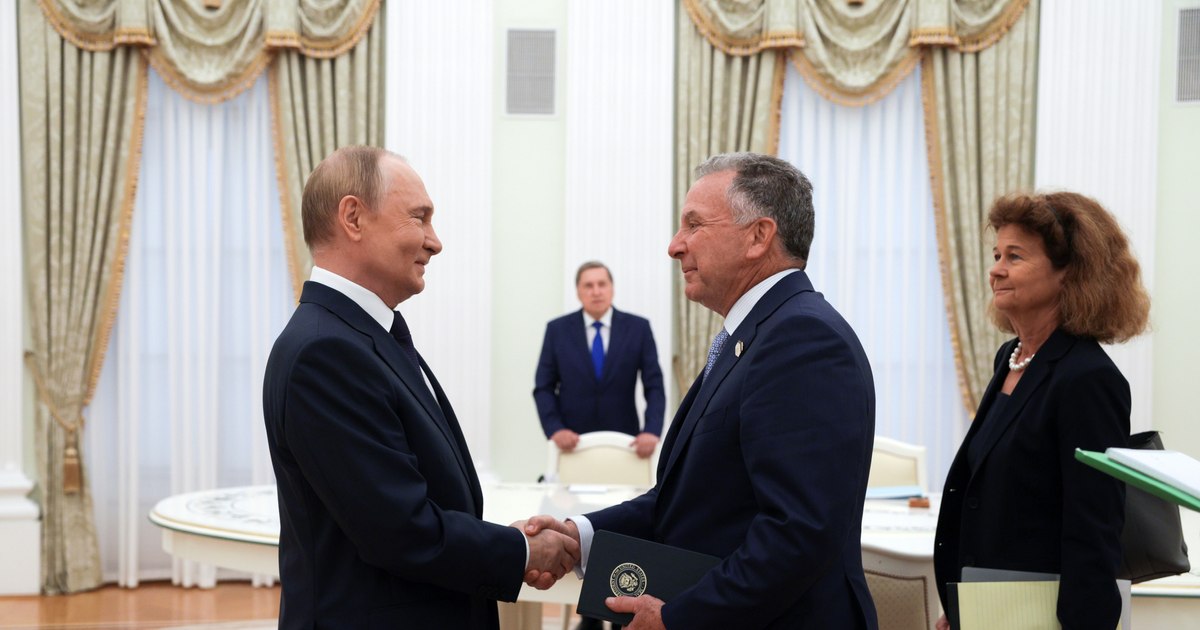
When US President Donald Trump's special representative, Steve Witkoff, arrives in Moscow in the coming days for talks, he is likely to receive a warm welcome but little willingness from Russia to make concessions, The Times notes.
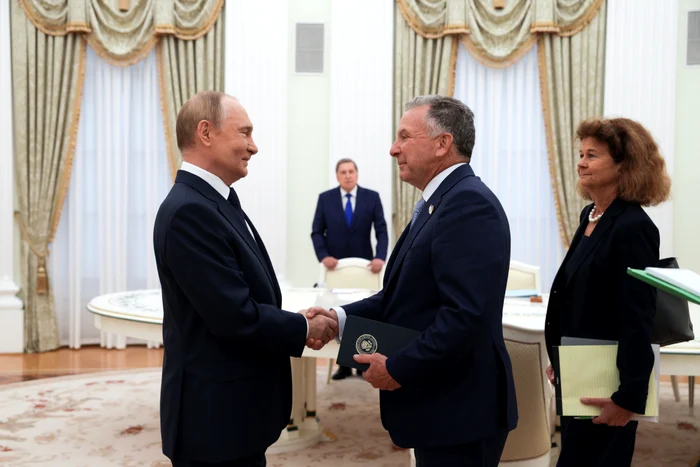
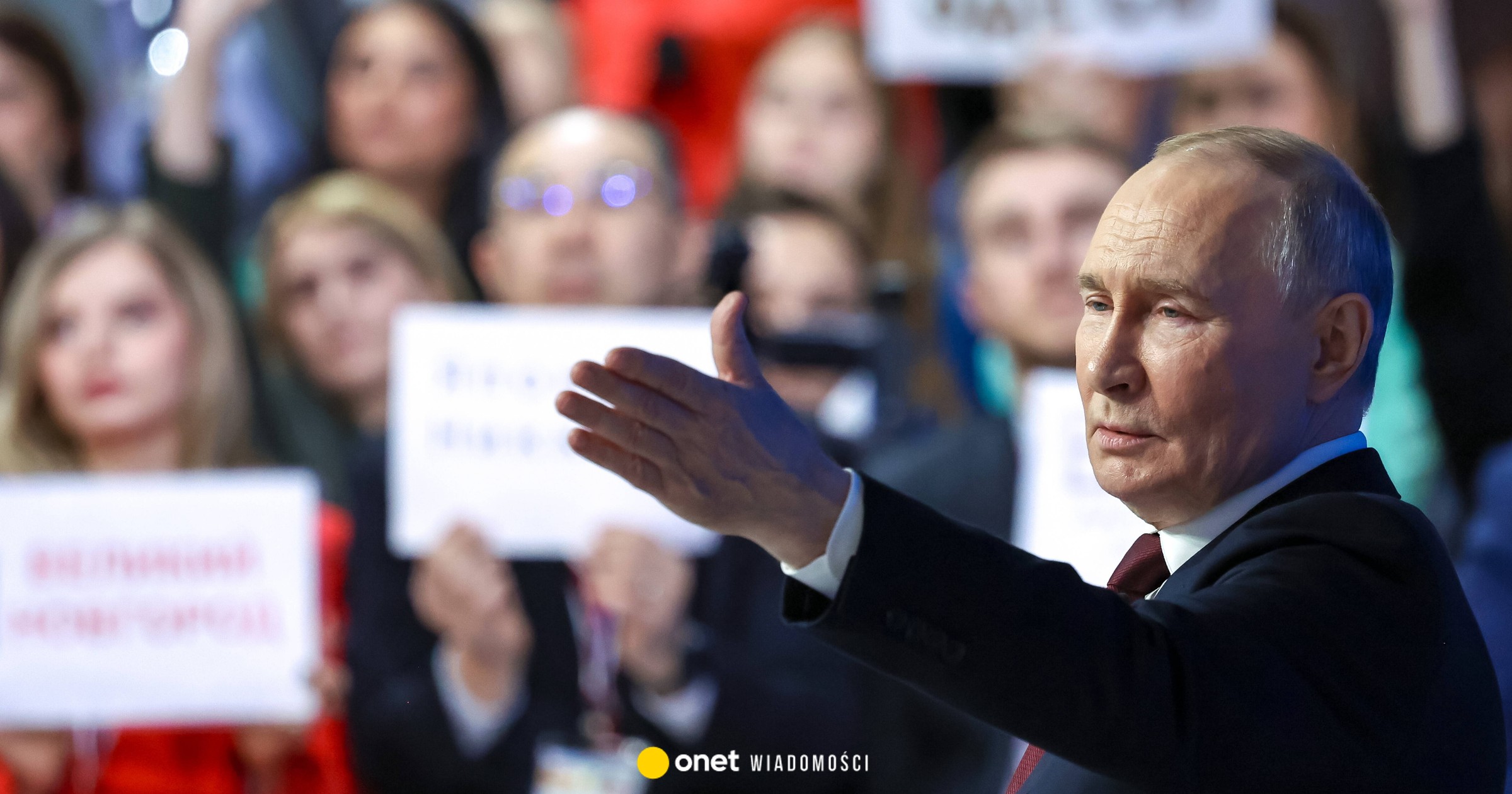
Vladimir Putin and Steve Witkoff/PHOTO: EPA/EFE
Russian President Vladimir Putin suggested that the version of the peace plan outlined following the American-Ukrainian negotiations in Geneva could form the basis of “serious discussions”. At the same time, on Thursday, November 27, he stated that each of the 28 points of the initial proposal submitted by the Trump administration is important for Moscow.
This appears to indicate that Putin is maintaining a maximalist stance — a situation that, if confirmed, could be uncomfortable for Trump, although he continues to speak in optimistic terms about the prospects for a deal.
The attitude also reflects the confidence of the Kremlin, which claims military advances and continues its campaign of strikes against Ukraine's energy infrastructure.
Meanwhile, in Kiev, a corruption scandal led to the resignation of Andrii Iermak, the head of the chancellery of President Volodymyr Zelenskiy. In the United States, Keith Kellogg — Trump's special envoy for Ukraine and one of the most vocal supporters of Kiev in the US administration — is due to leave the post in January.
Putin could feign readiness for dialogue
There are assessments that Putin could feign readiness for dialogue, using the negotiation process to portray Zelenskiy as an obstacle to Trump's diplomatic ambitions and fuel tensions between the US, Ukraine and European states. However, there are no clear indications that the Russian leader has decided to completely close the door to negotiations. Putin is seen as an opportunistic tactician, keen to keep his options open as long as possible.
At the same time, he conveyed that he does not rule out renouncing any agreement, being convinced that the situation on the front is favorable to him. In his opinion, if Ukrainian forces do not withdraw from the territories claimed by Moscow, Russia will take them by force anyway.
This position may be, at least in part, rhetorical. Russian Chief of Staff Valeri Gherasimov is known for premature statements, but Putin knows, at least in part, the costs of prolonging the conflict. While unrepentant about the human toll estimated at around 1.3 million dead and wounded, the Kremlin faces economic pressures from labor shortages and rising recruitment bonuses needed to attract around 30,000 volunteers a month — enough to offset the losses, but expensive for federal and regional budgets. Maintaining the avoidance of broad mobilization depends on the sustainability of these expenditures.
“For a long time, Putin assumed that it was enough to give a disposition, without considering the costs. Now reality is catching up with him: the commander-in-chief must also act as an accountant, carefully weighing whether a deal would ultimately be more advantageous than continuing the war.”said a former Kremlin insider who still advises the Russian administration.
In Moscow, Putin is expected to adopt a tough stance, characterized by pressure and intimidation, but also to indicate areas in which he might accept compromises.
While it continues to repeat that Zelenskiy is not a legitimate president — a position used in official rhetoric — Russia has unofficially signaled that the issue is not an insurmountable obstacle to an eventual deal.
Moscow demands a clear guarantee that Ukraine will not join NATO
Trump, sensitive to status and diplomatic symbolism, believes that gestures such as Russia's reintegration into the G8 (now G7) group could work as incentives for Putin. The Kremlin leader seems unimpressed, however, and ridiculed the idea in a recent statement.
In return, Moscow is demanding a clear guarantee that Ukraine will not join NATO, a roadmap for the gradual lifting of sanctions and control over currently unoccupied Ukrainian territories. According to The Times, Putin would be content with de facto recognition of control over the occupied territories, without international legal validation — unlikely anyway, as it would require a constitutional referendum in Ukraine. However, the surrender of some areas still defended by the Ukrainian army remains unacceptable for Kyiv.
If the negotiations do not advance, Putin could try to exploit the transatlantic differences. His argument that some European leaders are deliberately sabotaging his dialogue efforts is echoing both in Washington and in some European capitals.
After EU foreign policy chief Kaja Kallas said Russia was approaching a “tipping point” and the size of its military should be limited, a French diplomat, speaking on condition of anonymity, criticized her for “excessive moral certainty, out of touch with the reality on the ground”.
The more European leaders try to prevent Kiev from accepting a disadvantageous deal and block Trump's plans, the greater Moscow's opportunities to widen divisions and avoid responsibility for a potential diplomatic failure. A fragmented Europe and a destabilized Ukraine would reduce pressure on the Kremlin.
According to recent reports in The Telegraph, the United States would be willing to recognize Russia's control of Crimea and other occupied territories in order to facilitate an agreement to end hostilities. According to these reports, Trump plans to send both Steve Witkoff and his son-in-law, Jared Kushner, to Moscow to present the offer directly to Putin.
Politico reported that Trump's main goal would be to end the war, regardless of the final form of the deal. The former ambassador of Ukraine to the US, Oleg Shamsur, warned in the article “Trump's 28 points: how Ukraine can be sold” that a real peace agreement requires solid guarantees and a firm European position – otherwise, today's “peace plans” risk opening the way for the expansion of the conflict in Europe.