The Japanese are trying to solve with barking drones one of the problems faced by the Romanians. In addition, the Japanese ended up calling on the soldiers: “We are outnumbered by the bears”

When Japanese soldiers arrived in the northern prefecture of Akita the other day, they prepared to face a new kind of threat – one with fluffy ears and a weight of up to 100 kilograms, writes CNN. A threat that Romanians from the mountains also often face.
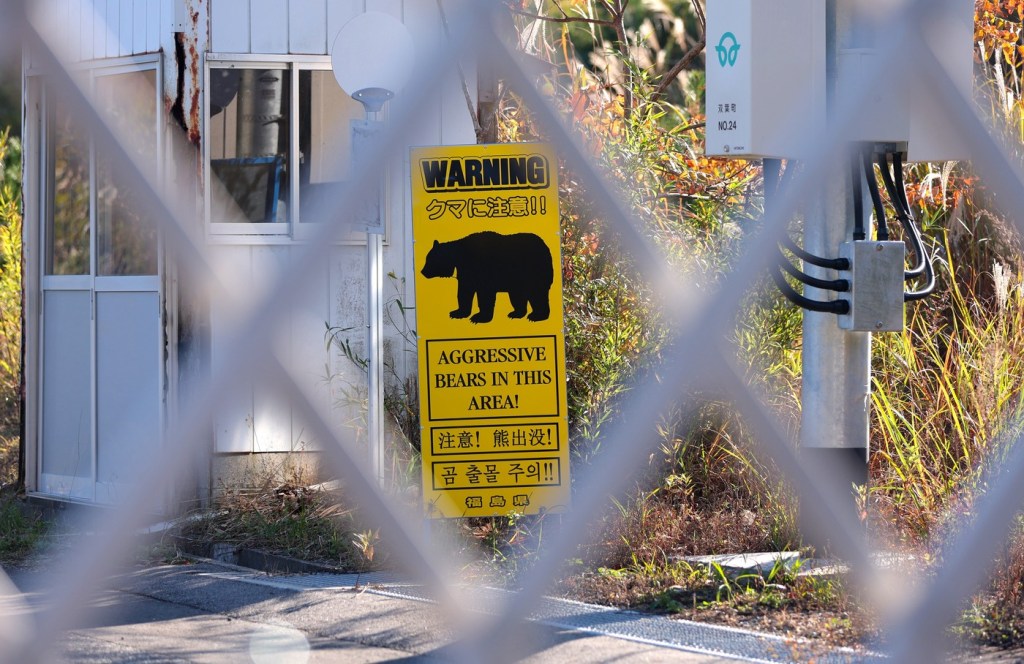
The mountainous Akita region is known for its lush forests, lakes and valleys – and for being the scene of this year's deadly bear attacks in Japan.
“The situation has already exceeded the ability of the prefecture and municipalities to cope on their own, and exhaustion on the ground is reaching its limit,” Akita Prefectural Governor Kenta Suzuki said in an Instagram post last month.
13 people killed in the last few months
It is a national problem, fueled by the climate crisis and habitat changes. Across Japan, at least 13 people have been killed and more than 100 injured since April this year, according to government data – some of the highest figures since records began in 2006. The number of attacks in 2025 will almost certainly surpass the annual record of 219 attacks set in the year starting in April 2024, The Guardian writes.
In October alone, shoppers were attacked in a supermarket, a Spanish tourist was mauled by a bear cub at a heritage site, and a runner had to wrestle a bear in the woods before running to safety. The problem has become so bad that the British government has added a bear warning to its travel advice for Japan.
In Akita, local authorities have requested formal military assistance from the Japan Defense Forces, saying existing measures – including traps and bear sprays – are not enough.
However, the troops will not kill the bears, as this is not allowed under Japanese law. In return, they will provide logistical support, such as setting traps and transporting carcasses shot by hunters.
A problem that goes beyond local authorities
The actual slaughter is reserved for licensed hunters and local hunting associations, some of whom practice it recreationally or as a sideline. But this group is shrinking and aging rapidly amid Japan's demographic crisis, Reuters reported last year, raising fears that they cannot cope with the scale of the problem alone.
The federal government has recognized these limits. “Local administrations and hunting associations, which collaborate as wildlife control teams, are now extremely exhausted,” Defense Minister Shinjiro Koizumi told a news conference in October. “I think it's natural to think about what can be done to meet the demands of local governors.”
The police will be authorized to shoot the animals
The National Police Agency announced Thursday that police will be authorized to shoot animals in residential areas in Akita and Iwate prefectures when hunters cannot intervene in time.
Barking drones
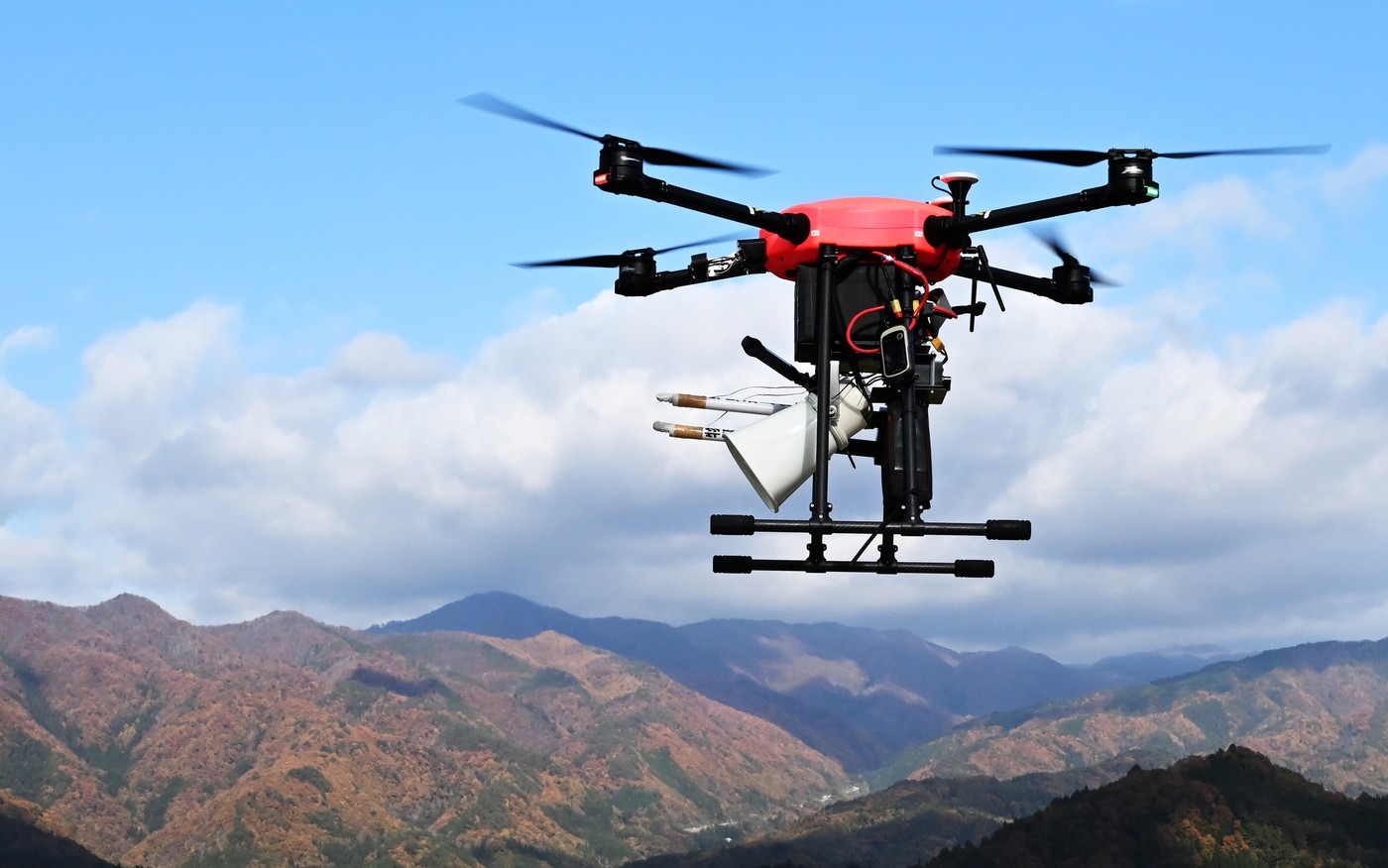
Local authorities are also considering other technology-based measures, such as surveillance cameras equipped with artificial intelligence and drone-based alert systems, Suzuki said. Similarly, in the central prefecture of Gifu, the government is experimenting with drones that play the sounds of barking dogs and fireworks in an attempt to scare away bears.
Meanwhile, residents and officials remain on high alert. Far fewer people go camping, a popular activity in the cool fall weather; In some cities, staff are handing out flyers warning picnickers not to leave food in plain sight, NHK reported.
The most recent incident happened on Friday. Attack on a public toilet
A man was attacked by a bear in a public toilet in Japan, local media reported on Friday – the latest in a record wave of attacks this autumn, including in populated areas, writes The Guardian.
The victim, a 69-year-old security guard, told police he spotted the bear, which was 1-1.5 meters long, peering inside as he was about to leave the building in Gunma Prefecture, north of Tokyo, in the early hours of Friday, Kyodo news agency and NHK radio station reported.
The man, whose name has not been released, fell on his back and fought the bear by kicking it, sending it running. He suffered minor injuries to his right leg but managed to run to a nearby police station to report the accident, which happened near a train station that had closed for the night.
How many bears does Japan have
According to the Japanese government, cited by Al Jazeera, the total bear population is currently over 54,000.
In 2012, the Ministry of the Environment's biodiversity center said the number of black bears was around 15,000, while the number of brown bears had doubled since 1990, although it did not provide figures.
Almost 13,000 bears in Romania
For comparison, up to 13,000 brown bears live in Romania, according to the preliminary results of a genetic study carried out by the “Marin Drăcea” Forestry Research and Development Institute, quoted by the Radio Europa Liberă website.
According to the same source, the Romanian Government adopted at the beginning of November an emergency ordinance aimed at reducing the risks generated by the presence of brown bears in localities. This in the conditions where the authorities have signaled a significant increase in the presence of bears in inhabited areas, especially in Brașov county, where there were hundreds of calls to 112 for bears observed in localities or near tourist routes. At the same time, feeding bears in the wild becomes a misdemeanor punishable by fines between 10,000 and 30,000 lei. The document also simplifies the intervention procedure in the event of the appearance of animals.
In July, an Italian tourist stopped on Transfăgărășan to photograph a bear. He got too close and was fatally attacked by the animal.