
The analysis was based on data collected over two decades. Because water is heavy, changes in groundwater, rivers, lakes, soil moisture and glaciers are reflected in the signal, allowing satellites to effectively “weigh” its quantity, the publication explains.
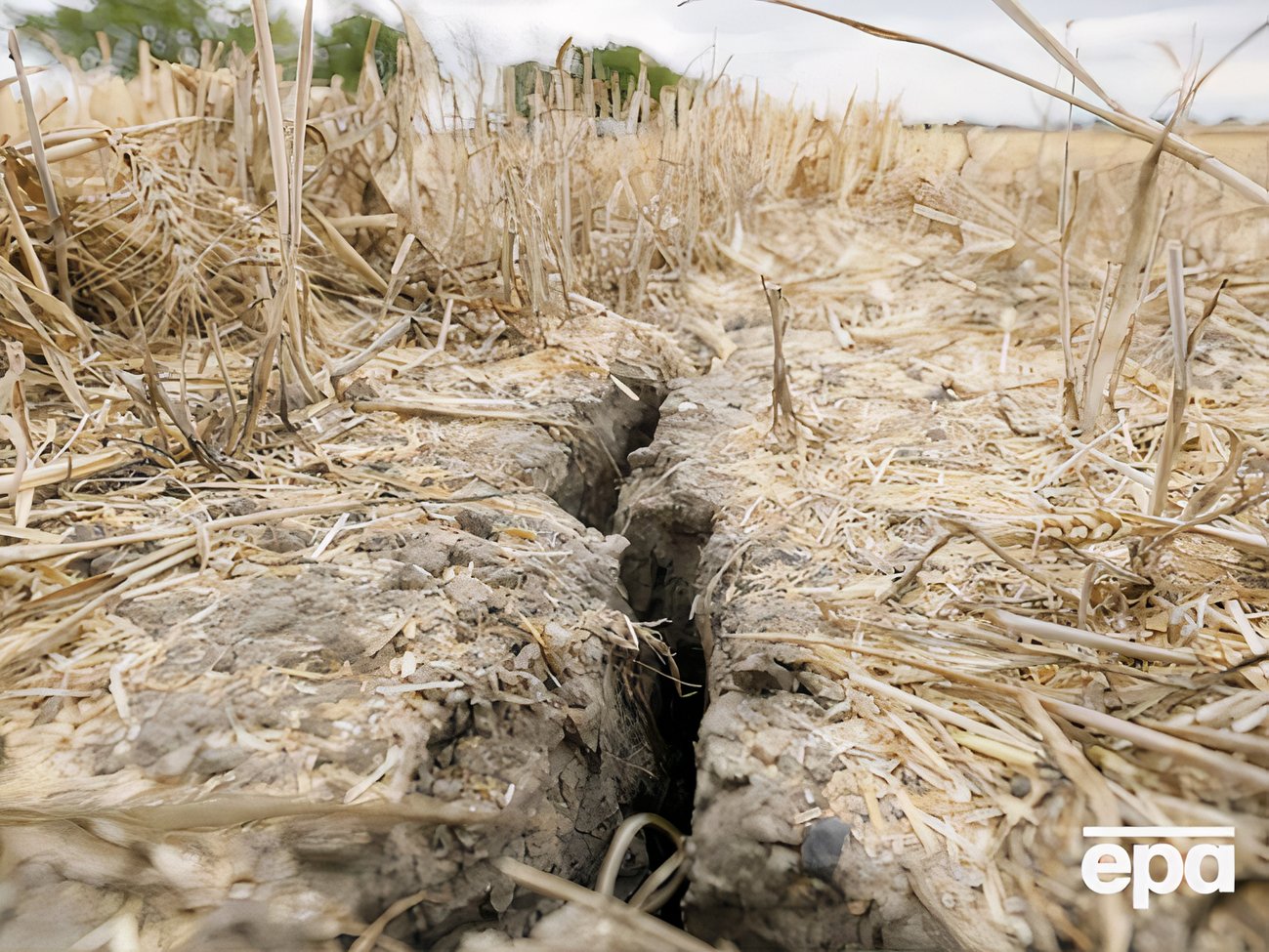
The findings show a striking imbalance: the north and north-west of Europe, particularly Scandinavia and parts of the UK and Portugal, are becoming wetter, while large areas of the south and south-east, particularly parts of the UK, Spain, Italy, France, Switzerland, Germany, Romania and Ukraine, are drying out.
According to scientists, this is due to climate change and should be a “wake-up call” for politicians who are still skeptical about the need to reduce harmful emissions. Global warming is no longer limited to 1.5°C, temperature increases may already reach 2°C above pre-industrial levels, and depletion of fresh water is one of its consequences.
Scientists believe that while groundwater is considered more resilient to climate change than surface water, heavy rainfall in summer increasingly leads to water loss due to runoff and flash floods, and groundwater recharge may decline in winter.
According to data from the European Environment Agency, groundwater use increased by 6% between 2000 and 2022. This is explained by the needs of municipal water supply and agriculture. During this period, groundwater accounted for 62% of the total water supply to the population and covered 33% of agricultural water needs in EU member countries.
The European Commission spokesman said the bloc had developed a strategy to help adapt water management to climate change. The goal of the strategy is to build a “water-smart economy”. It calls for improving water management efficiency by at least 10% by 2030. Currently, the level of water loss throughout the block ranges from 8% to 57%.
Drying areas are also occurring in the Middle East, Asia, South America, along the west coast of the United States and throughout Canada, as well as in Greenland, Iceland and Spitsbergen, writes The Guardian.


