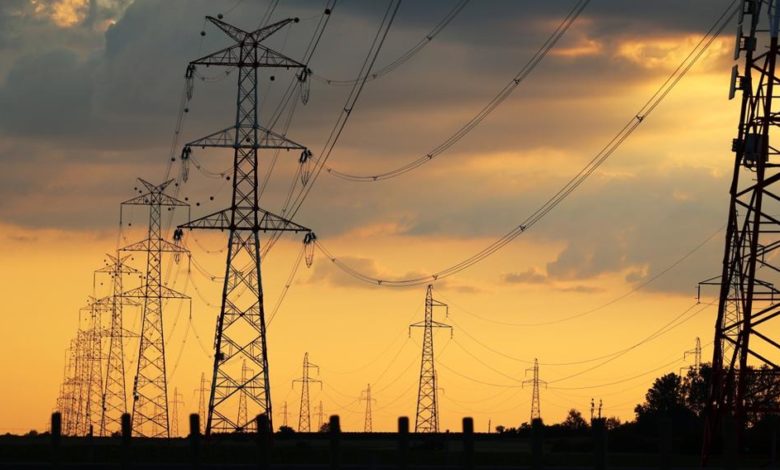
The Votum Group is observing a significant increase in interest in pursuing claims related to the installation of transmission networks, is waiting for the December ruling of the Constitutional Tribunal in this matter and estimates that this segment may in the near future exceed the number of contracts in Swiss francs – representatives of the group told PAP Biznes.
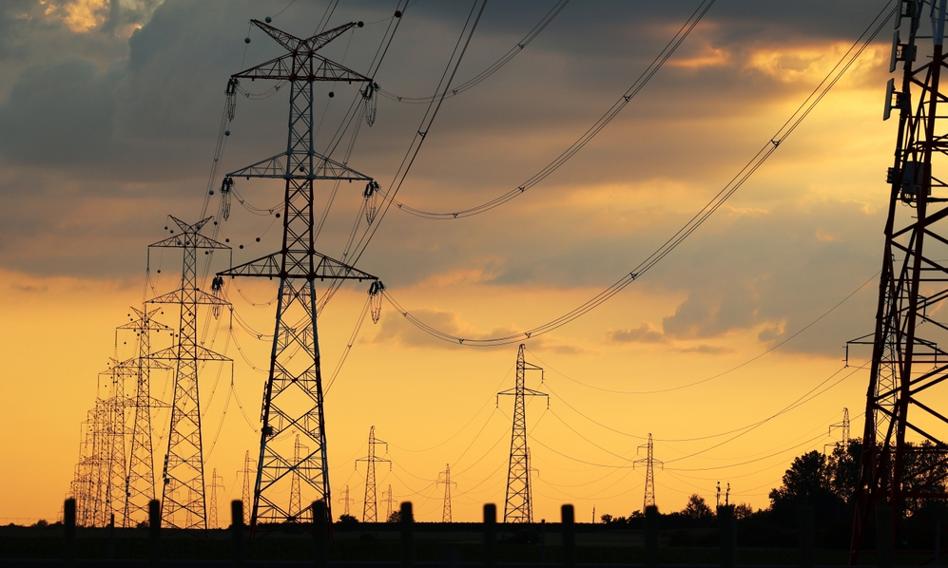
“Regarding the unregulated legal status of placing transmission equipment on private properties, we are dealing with a serious problem, the scale of which results from many years of neglect. We are observing an exponential increase in interest in this topic among customers,” Agnieszka Ryznar, president of Votum Odszkodowania, told PAP Biznes.
“We have no doubt that in a short time this issue will exceed our involvement in compensation activities in the field of traffic accidents, but the real estate whose owners are entitled to claims is numbered in millions, so it is very likely that in the near future this segment of activity will also exceed Swiss franc cases in terms of contracts,” she added.
Bartosz Bański, director of the Transmission Claims Department at the Law Firm of Attorneys and Legal Advisors Łebek, Madej i Wspólnicy Sp. Komandytowa said that the law firm has recently noticed a significant increase in the interest of potential clients in pursuing monetary claims from transmission companies.
“The scale of the reaction to the educational content we post on social media was a surprise to us. Nearly 8,000 property owners – both natural and legal persons – contacted us and expressed interest in asserting their rights. The first several hundred of them have already collected documentation that allows them to pursue claims,” he told PAP Biznes Bański.
He said that in 2008, the institution of transmission easement was introduced into the Civil Code, established for the benefit of transmission companies for remuneration – in exchange for the right to use the owners' land on which the transmission infrastructure was located.
“However, the legislator did not regulate the situation of devices built before 2008, which resulted in a legal loophole. Many transmission entrepreneurs did not have legal title to the infrastructure created before the new regulations came into force. As a consequence, after 2008, property owners began to file cases en masse in courts, demanding remuneration or removal of devices,” said Bański.
“The entrepreneurs defended themselves by invoking adverse possession of a land easement with content corresponding to a transmission easement – i.e. a pre-existing institution, but of a different legal nature,” he added.
He informed that in its first rulings the Supreme Court established a practice that was unfavorable to citizens, depriving them of the possibility of compensation.
“In recent months, the trend has been changing in the Supreme Court, as evidenced by, for example, the decision of December 4, 2024 (II CSKP 1920/22). Current judgments indicate that the previous practice may have violated basic constitutional principles, in particular the prohibition of retroactive operation of the law and the constitutional protection of property rights,” Bański said.
The Constitutional Tribunal is scheduled to consider this case on December 2. According to Votum, the Constitutional Tribunal's ruling may have huge social and financial consequences for property owners and may open the way to compensation.
“In fact, we have been waiting for the Constitutional Tribunal's ruling for over a dozen years. This problem has often been the subject of a constitutional complaint and a legal question, which have never been resolved due to the alleged formal irregularities,” Bański said.
“The current practice of some transmission network operators indicates insufficient respect for the legal status of private real estate, which may be a manifestation of the persistence of operating models developed in the previous economic system,” he added.
According to President Ryznar, if the Constitutional Tribunal questions the compliance with the Constitution of the Republic of Poland of the court practice allowing adverse possession of transmission easements, such a decision would open the way for owners to claim remuneration for non-contractual use of land and for the establishment of transmission easements.
“For owners of properties on which a power pole or a gas pipeline is located, this could mean the possibility of obtaining benefits ranging from several dozen to even several hundred thousand zlotys. Their amount depends on several factors, including the type of infrastructure located on the property and the extent to which transmission devices limit the use of the land,” Ryznar said.
Currently, the largest share in the Votum group's revenues comes from the revenues of the segment of pursuing claims under banking agreements, mainly related to the so-called Swiss francs. This segment generated 86% in the period from the first to the third quarter of 2025. total revenues achieved in the group.
Revenues in the banking segment consist of revenues from initial fees, fees for appearing at court hearings, success fees and legal representation costs.
Sebastian Karbarczyk (PAP Biznes)
seb/ osz/