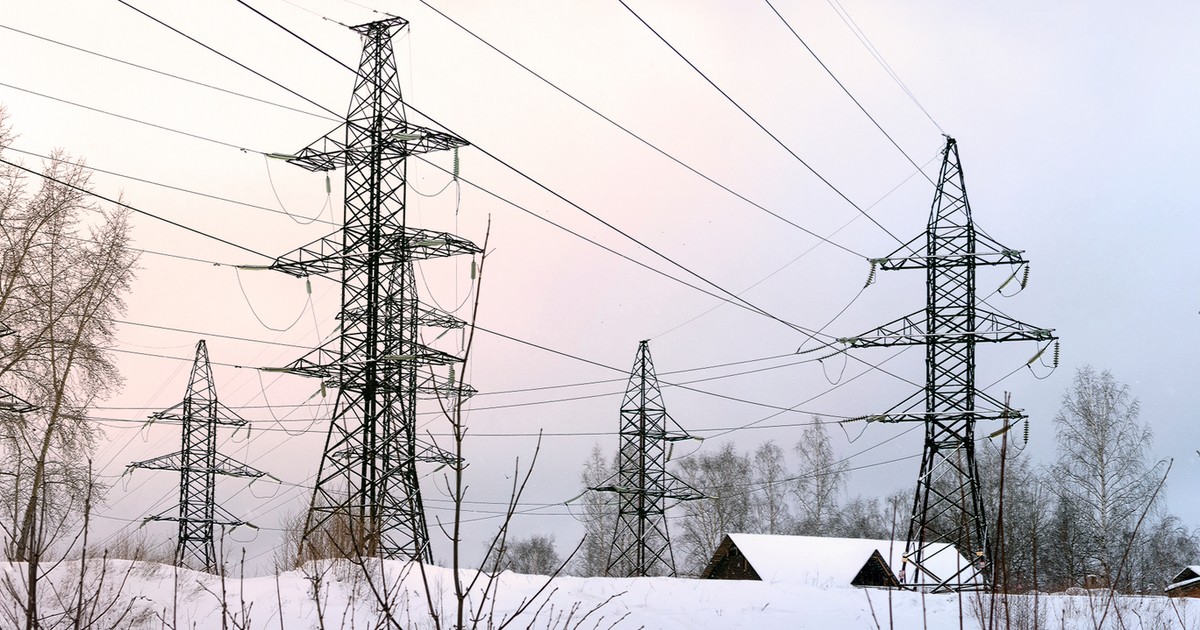
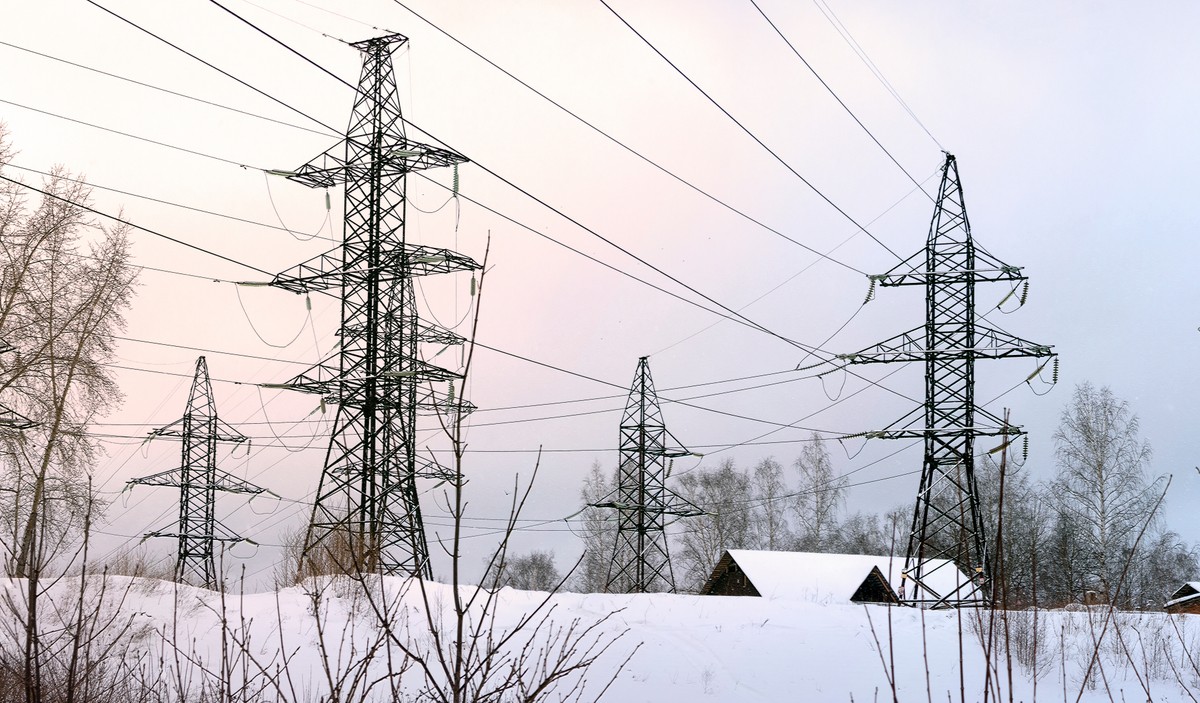
Prof. Waldemar Skomudek from the AGH University of Science and Technology in Kraków points out that although the construction of completely “weatherproof” distribution networks is theoretically possible, in practice it would require huge financial outlays. Meanwhile, it is worth looking for solutions that increase the resistance of linear construction to unfavorable weather phenomena.
Read also: Polish energy sector ready for crises such as drones? “You have to pay for safety”
Heavy snowfall and thousands of customers without electricity
On November 27, Polska Grupa Energetyczna Dystrybucja announced that in the Bełchatów and Sieradz areas, over 16,000 customers were left without electricity. In Podkarpacie, where heavy rainfall began on November 21, the situation was even more dramatic. At the peak, energy supplies were interrupted for approximately 150,000 people. recipients, and on the first day the problem affected 80,000. farms. Prof. Skomudek assessed that energy distributors responded appropriately to the situation, mobilizing electrical installation teams, equipment and brigades to repair the failure.
The expert explained that wet snow, which easily adheres to power cables, creates extreme conditions for their operation. Cables made of wires with a certain porosity are particularly susceptible to icing when the temperature drops below zero, which often leads to mass failures.
Challenges in the field
According to prof. Skomudka, overhead networks are particularly vulnerable to damage caused by wet snow and trees in the surrounding area. Excessive and untidy trees near the lines can cause them to fall when snow-laden branches bend or break. Despite the designation of tree-free service belts, in difficult weather conditions it happens that tall trees from deep in the forest fall on the cables.
An additional challenge is locating the network in mountainous areas. In such places, repairing failures requires time, a larger number of electricians and support with specialized equipment, such as quads. Prof. Skomudek emphasized that despite the difficulties in the mountains, progress in recovery activities has been observed compared to the situation from several decades ago.
Weatherproof nets: theory vs practice
When asked about the possibility of building completely weather-resistant distribution networks, prof. Skomudek pointed out that implementing such a project would require significant financial resources. One of the solutions are cable lines run underground, which are most often used in urban agglomerations. Currently, in Poland, the cabling rate of low- and medium-voltage lines is on average 40 percent, which the expert assesses as a good result. However, going completely underground, especially in mountainous areas, is difficult to implement.
Automation and innovation as a direction of development
Prof. Skomudek drew attention to other activities that can improve the functioning of energy networks, such as automation, telemechanization and remote control. Changing the network configuration, leading to its greater flexibility, is also important. Operators invest in infrastructure development, modernization and innovative solutions that increase the network's resistance to extreme weather conditions.
Extreme weather phenomena are becoming more frequent
According to a study commissioned by the Ministry of Climate and Environment, 77 percent respondents believe that extreme weather phenomena occur more often than before. The biggest problems indicated by respondents are restrictions on access to water (60%), destruction of private property (59%) and interruptions in energy supplies (58%).
There are currently five main electricity distributors in Poland: Tauron Dystrybucja, Energa Operator, Enea Operator, PGE Dystrybucja and Stoen Operator. Each of them faces the challenges of increasingly frequent extreme weather conditions.