9 common mistakes in children's nutrition that parents make and healthy solutions to fix them

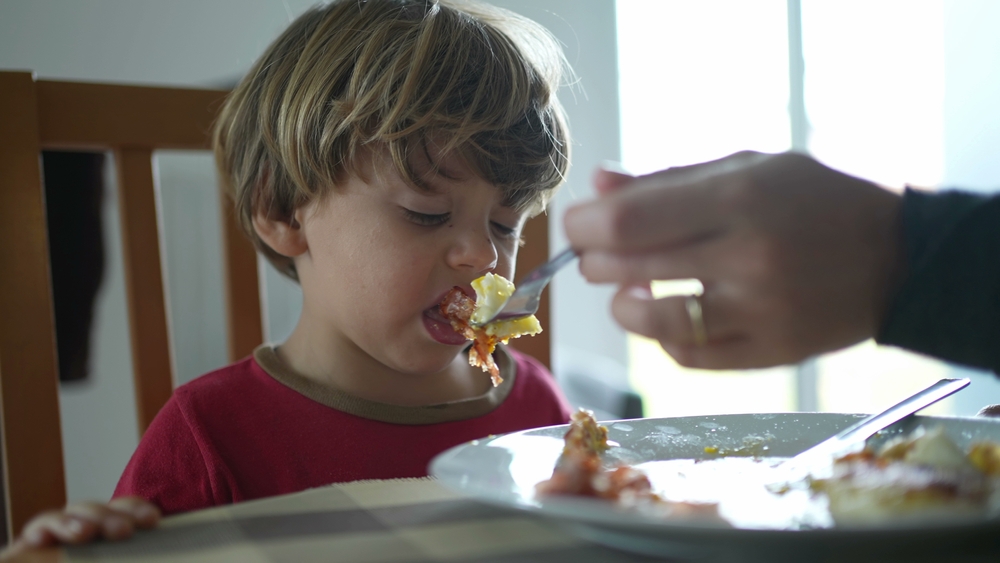
In an age dominated by fast food and aggressive marketing of sugary products, the effort to raise children with healthy eating habits is a constant challenge for parents. Although the intentions are the best on the part of the adults, the small daily errors that adults can make in planning, portioning and managing eating behavior can affect the little ones. If you're a parent, read on and see if you've made any of the mistakes below and find out how you can fix them.
Mistakes related to behavior and the psychology of eating
Many nutritional problems are rooted not in what you put on your plate, but in how you manage mealtimes and emotions around food.
- Using food as a reward or punishment
Associating sweets with “good deeds” or using them as a reward creates an emotional addiction to sugar, teaching the child to associate achievement and happiness with junk food. Studies have shown that those children whose parents used food rewards at age six showed increased food sensitivity and a greater response to emotional eating at age eight, as well as an increased preference for foods high in sugar and fat.
Healthy fix: Opt for non-food rewards like extra playtime, stickers, or fun activities.
2. Forcing the child to “finish everything on the plate”
This habit teaches children to ignore the body's natural satiety signals, leading to overeating and an unhealthy relationship with food in the long run. Research has shown that pressure to eat is counterproductive, being associated with lower intake of healthy foods and a higher frequency of negative comments about food. Pressure also contributes to the development of food aversions.
Healthy solution: Serve smaller portions and let your child ask for more, respecting his feeling of satiety. Thus, you will promote conscious eating.
3. Preparing separate meals
When parents cook different dishes to avoid cravings, they reinforce food selectivity and prevent the child from being exposed to the necessary variety.
Healthy solution: Children should learn to eat, with small adjustments of seasoning, the same dishes as the rest of the family.
4. Labeling foods as “good” or “bad”
This kind of language can breed guilt and food anxiety. Eating “healthy” can feel like a chore.
Healthy solution: Educate him by explaining the nutritional benefits (ex: “This vegetable gives you energy to play”) without judging their moral value.
Common nutritional mistakes
The mistakes on the plate often focus on excess sugars, inappropriate fats and lack of essential nutrients.
5. Replacing nutritious meals with packaged “baby” foods
Foods advertised to children often look healthy but are full of sugar, salt and preservatives (ready-to-eat cereals, flavored yoghurts, instant snacks).
Healthy solution: Read labels carefully and balance convenience foods with natural, home-cooked options (fruits, vegetables, whole grains).
6. Consuming juices instead of whole fruits
Even fresh juices do not contain the necessary fiber and are concentrated in sugars, quickly raising blood sugar.
Healthy solution: Encourage your child to chew on fruit (whole or cut), which supports digestion. Fruit eaten in solid form provides greater satiety (satiety) due to delayed gastric emptying. The lack of fiber in the juice causes the simple sugars to be absorbed more quickly, causing a faster and greater spike in blood sugar and insulin levels than the whole fruit. Water should be the main drink, not juice!
7. Constant nibbling and unhealthy snacking
Frequent snacks high in empty calories cut off children's appetite for nutritious main meals.
Healthy solution: Set fixed times for 2-3 snacks a day and offer nutritious options: fresh fruit, nuts, plain yogurt or vegetables with hummus.
8. Eliminate healthy fats from your diet
Good fats are crucial for brain development and absorption of vitamins (A, D, E, K).
Healthy solution: Limit processed and fried fats, but include sources of monounsaturated fats and Omega-3s: avocados, olive oil, nuts, seeds and fatty fish.
9. Too much milk and lack of iron
Excess milk (over 500-700 ml per day) can reduce appetite for solid foods and cause iron deficiency anemia (lack of iron) in young children. Many children develop iron deficiency because parents assume they won't like iron sources.
Healthy solution: Combine milk with a balanced diet rich in vegetables, grains and protein. Introduce iron-rich foods (greens, lentils) in creative ways (purées, spinach pancakes).
Build good family habits!
Parents should consume fruits and vegetables and eat reasonable portions. Of course, children copy behavior, not just listen to advice. Research has shown that parents are major influencers of children's eating behavior, largely through modeling. The amount of fruits and vegetables, but also the frequency of consumption of fast food and juices, are strongly associated with the parents' diet.
Eating in front of the TV or tablet is distracting and cancels the child's ability to recognize the feeling of satiety. Studies that looked at reducing screen time showed a significant slowdown in BMI (body mass index) and a reduction in the number of meals taken in front of the TV in children in the intervention group.
Last but not least, children should be involved in preparing the meals, from buying the food, washing the vegetables, to preparing the meal. These activities will increase their curiosity and desire to try new dishes.