The threat of a new war is growing. A huge country demands access to the sea from its neighbor


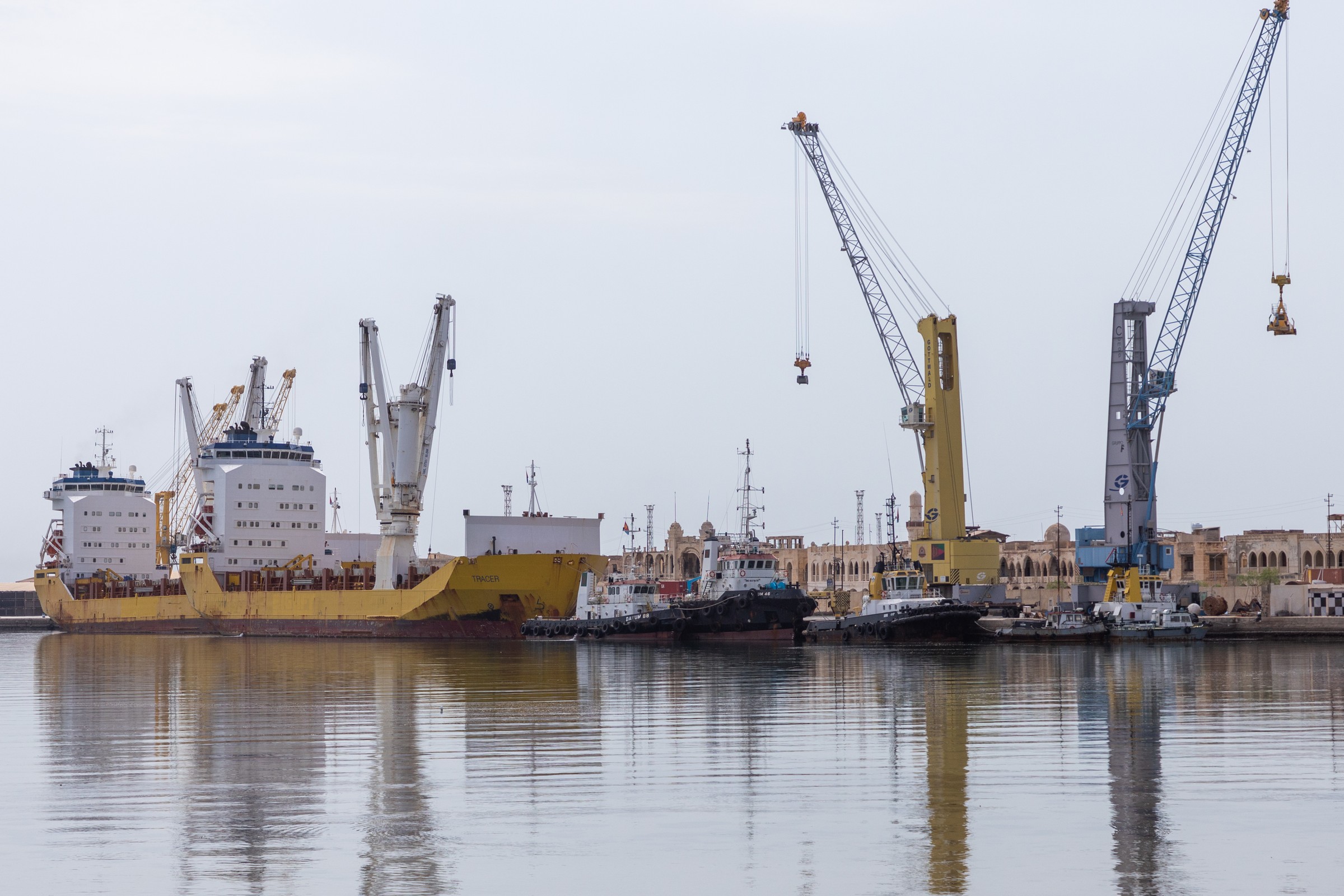
According to the BBC, the “war of words” between these neighbors has recently intensified. Eritrea separated from Ethiopia in May 1993, and relations have been under constant strain since then. The main problem is that Eritrea's secession, which followed a years-long war of independence, deprived its huge neighbor of access to the Red Sea. The coastline, which today belongs exclusively to Eritrea, is 1,350 km long. Ethiopian Prime Minister Abiy Ahmed Ali openly stated in September this year that losing access to the sea was Ethiopia's “mistake” that would be “corrected tomorrow,” the BBC reports.
The article continues below the video
What are the current tensions between Ethiopia and Eritrea?
What is Ethiopia planning regarding access to the sea?
What warnings did Eritrea issue in response to Ethiopia's actions?
What were the consequences of the previous war between Ethiopia and Eritrea?
Losing access to the sea is Ethiopia's “mistake”.
For the first time, Ethiopia began to openly express its desire to regain access to the Red Sea in 2023. Abiy Ahmed Ali announced then that it was an “existential issue” for Ethiopia, but his statements were ignored by Eritrea.
Now the topic has returned and appeared several times in statements from Ethiopia. The Ethiopian prime minister suggested the possibility of taking over Eritrea's southern port of Assab, located about 60 km from the border, by force. This option was also mentioned by the Ethiopian ambassador to Kenya, retired general Bacha Debele, who on November 3, in an interview for the pro-government YouTube channel Addis Paradigm, said that Assab is “the wealth of Ethiopia.” The army commander, Field Marshal Birhanu Jula, also expressed his readiness to take military action. “We will strengthen our defense forces, accelerate development and secure access to the sea,” he said, quoted by the BBC.
Eritrea warns Ethiopia. Talks about “blatant aggression”
This time, Eritrea did not leave Ethiopia's comments unanswered. Eritrea's Information Minister Yemane Gebremeskel called Ethiopia's claims “toxic” and “dangerous.” On September 16, he warned that attempts to legitimize “blatant aggression” would have serious consequences for Ethiopia. The Eritrean army also issued a warning in November.
The dispute over access to the sea seems to be intensifying, although there are no reports of any military moves by either country yet. It is worth recalling, however, that five years after Eritrea's separation from Ethiopia, another war broke out between the two independent countries, which lasted two years and approximately 100,000 people died in it. people. Countries that are among the poorest in Africa spent hundreds of millions of dollars on the war, while the conflict resulted in only minor border changes. According to the ruling of the international commission in The Hague, Eritrea was responsible for the outbreak of the war, as it broke international law by invading Ethiopia.