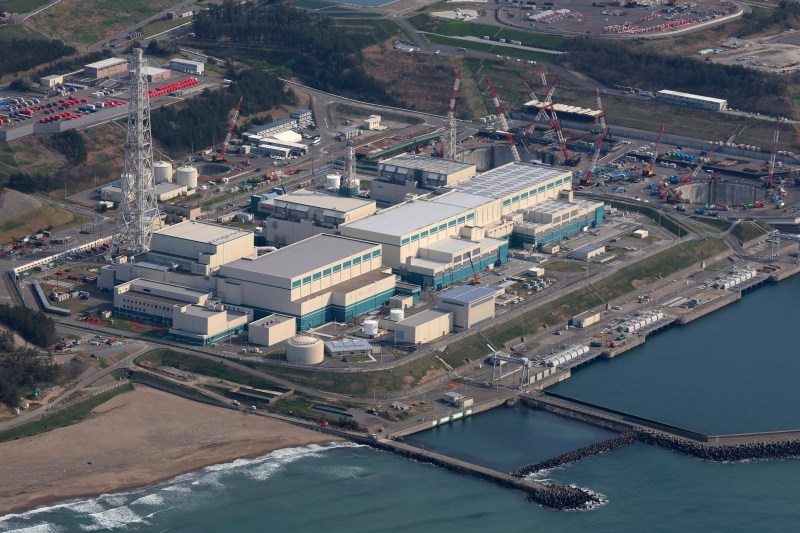
Japan's Kashiwazaki-Kariwa Nuclear Power Plant. Photo: Tetsuji Noguchi / AP / Profimedia
A Japanese regional governor gave the go-ahead on Friday to partially restart the Kashiwazaki-Kariwa nuclear power plant, the world's largest, as Japan seeks to revive its nuclear sector and cut fossil fuel imports, Reuters reports.
The approval by Niigata Prefectural Governor Hideyo Hanazumi clears the last major hurdle for plant operator Tokyo Electric Power Co (TEPCO) to implement plans to restart one or two of the largest reactors at the Kashiwazaki-Kariwa plant.
Given that electricity demand will increase as a result of expanding data center and semiconductor industry activity, “it would be difficult to shut down without a rational reason something that has met the country's regulatory standards,” Hanazumi told a news conference.
He said he would have to seek a vote of confidence from the prefectural assembly on his decision during the regular session starting on December 2.
Area residents' concerns, ongoing safety efforts and emergency response remain among the key issues to be addressed, he said.
Ryosei Akazawa, Japan's industry minister, said the approval, once approved by the assembly, would cover reactors no. 6 and no. 7, the two largest in the plant.
Unit no. 6 could improve the supply and demand situation in the energy-intensive Tokyo area by 2 percent, he said. Together, the two reactors produce 2,710 megawatts of electricity, roughly one-third of the Kashiwazaki-Kariwa plant's total capacity of 8,212 MW.
TEPCO has said it plans to decommission some of the plant's other five units. In October, the company completed the checks at reactor no. 6 – its priority for restart – after fuel loading, saying at the time that it had confirmed that the main systems needed to start the reactor were working properly.
The restart would be a first for TEPCO since the March 2011 tsunami destroyed its Fukushima Daiichi nuclear plant.
It would also be a major achievement for Japan, which after the disaster shut down all 54 nuclear reactors in operation at the time, leaving it heavily dependent on fossil fuel imports, vulnerable to production sector shocks and supply disruptions.