The coalition in Germany, in danger of falling apart. “Everything is already unstable,” says the leader of the Social Democrats

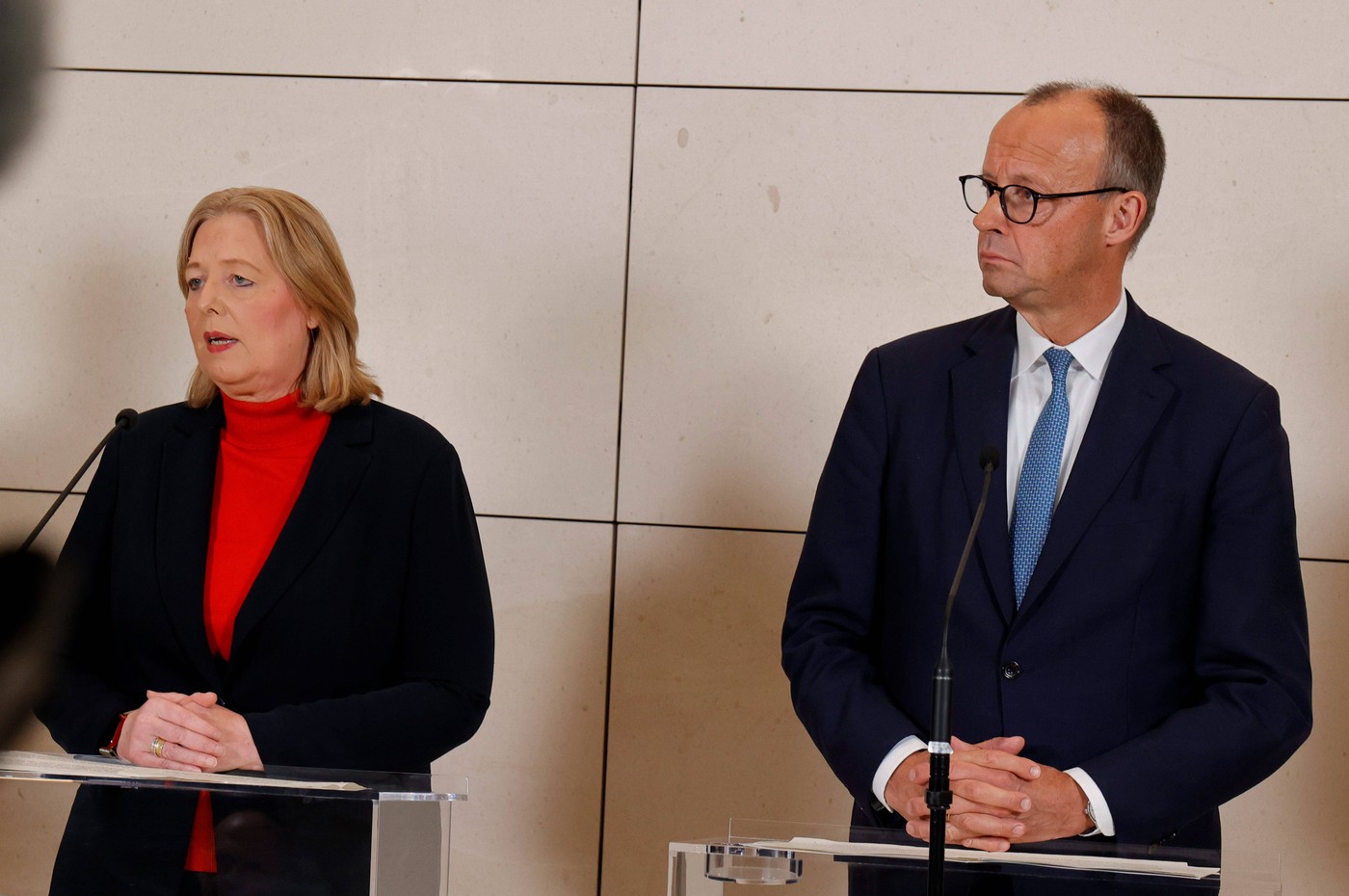
Bärbel Bas and Friedrich Merz Photo: M. Popow / imago stock&people / Profimedia
The leader of the Social Democrats (SPD) and Minister of Labor in Germany, Barbel Bas, warned on Tuesday that “things will become unstable” within the coalition government if the parliament fails to adopt a controversial pension reform package, reports DPA, taken over by Agerpres.
A series of pension reforms were agreed in the initial coalition agreement between the SPD and the conservative bloc led by Chancellor Friedrich Merz. A subsequent law was approved by the cabinet, but Merz faces a revolt within his party, particularly among younger elected officials, over a vote in parliament.
Asked at an economic conference in Berlin if the SPD saw any possibility of amending the bill in its current form, Bas said: “No, it has been firmly approved.”
Although the bill could theoretically be amended as it moves through parliament, Bas rejected this. There is already “firm agreement” with the conservative CDU/CSU bloc on six key elements of the pension package, she claimed.
“If anyone is endangering the coalition, that someone is the CDU/CSU,” she said, referring to the Christian Democrats (CDU) and its Bavarian sister party, the Christian Social Union (CSU). Regarding a parliamentary vote planned for December, Bas said: “If we don't succeed now, then we won't have any reform.”
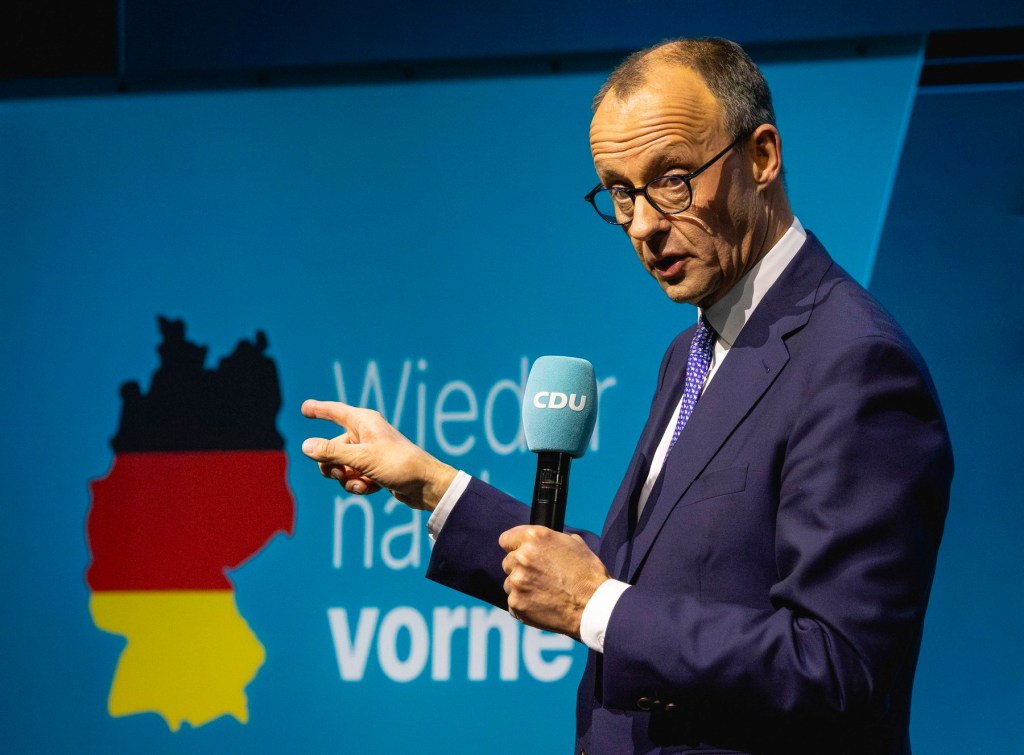 Pension reform also threatens the German executive. However, Chancellor Merz rules out the formation of a minority government
“If this vote is not successful now, then things will become unstable,” she added. “Everything is already unstable. Let's not fool ourselves,” the social democratic leader also said.
The government wants the pension reform to come into effect on January 1, 2026, but it must first be passed in parliament. The current compromise allows the SPD to fulfill its campaign promise of a guaranteed pension level of 48% of average income by 2031, while the conservatives can introduce an extended child-rearing pension for people born before 1992.
A group of elected Tories, mainly younger MPs, accept the pension level of 48% until 2031, but want changes to the bill regarding pension levels after that date. Regarding the rebel group of young conservatives, Bas said: “I don't really understand the conflict started by this group now.”
Merz ran his election campaign partly on party discipline and insisted his government would not tolerate the infighting that characterized the previous tripartite coalition led by former chancellor Olaf Scholz.