The European Union is working on a new strategic vision for the development of sport. The European Parliament's document calls for action in four areas: social, maintaining common values and solidarity, collective management and strengthening the rights of players, fans and employees of the sports sector. Among the greatest challenges that the new strategy should respond to, the report mentions the growing commercialization of games, which disrupts the sustainable development of sports, and the need to protect the rights and well-being of athletes.
The report adopted in October drew attention to the growing pressure on players due to increasingly tight match and competition calendars.
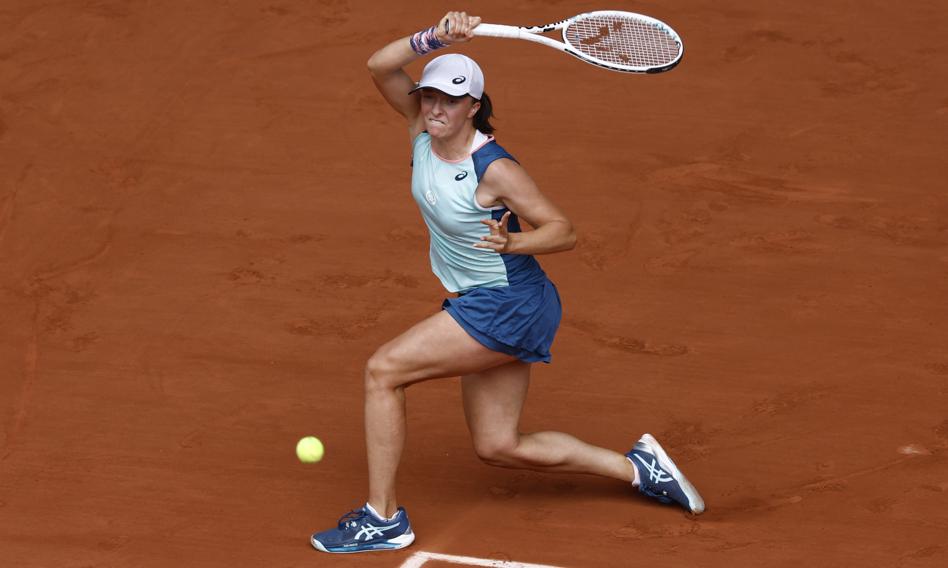
– First of all, we call for the protection of European athletes from the excess of various sports duties that may determine their health. We oppose the burdens that not only football players, but also tennis players are subjected to, which go beyond common sense and rationality when it comes to the frequency of appearing in various sports arenas. In short, I don't like how Iga Świątek is charged with penalty points because she did not participate intensively enough in the 2025 season. This is not normal – says Bogdan Zdrojewski from the Civic Coalition, Member of the European Parliament, rapporteur of the document on EU political strategies in shaping the European sports model, to the Newseria agency.
The growing burden on players resulting from intensive training and a tight competition calendar is a consequence of the increasing commercialization of sport. This phenomenon is in opposition to the vision of a sustainable competition model based on open, fair competition, common social values and solidarity of EU member states. The growing scale of challenges, in the politician's opinion, makes this an important moment when a long-term strategy for European sports policy must be defined.
The report points out the need to maintain a balance between competitions involving national teams and club teams. The need to introduce legal regulations that would oblige clubs to release athletes from their duties in order to allow teams to compete in national colors was emphasized.
We oppose taking individual matches out of Europe, from our European competitions, outside the continent. An example is the King's Cup, there was also an attempt to move the Barcelona match to Florida. We believe that European competitions, out of respect for fans in Europe, should only be held in Europe. Yes, friendly matches and national team matches can take place in other parts of the world, but European competitions must be protected in Europe itself – says Bogdan Zdrojewski.
As the MEP informs on his website, the “European sport model” report is already starting to bring results – La Liga is giving up playing matches outside Europe.
– There have been decisions by certain institutions that European matches will be protected, and that the FC Barcelona match will not take place in Florida. Also, some elements improving the situation of women practicing sports after the birth of a child will look better than before – informs a member of the European Parliament from KO.
FIFA reacted positively to the report in its statement and changed the transfer regulations after the decision of the Court of Justice of the EU in the case of the footballer Lassana Diarra. The organization expressed support for the demands contained in the report, which will help raise the standards of European sport. Fully supports, among others: the right of players to freely represent their countries in national teams.
The report emphasizes that sport is a developing sector of the economy that generates 2.12%. GDP of the European Union and provides almost 6 million jobs. Due to its growing role, a new approach to its organization, operation, development and management method is needed. The institutional involvement of the EU – as indicated – should focus on ensuring the social rights of players and employees employed in the sports sector. This includes: the right to associate, equal treatment and safe working conditions. Particular importance was attached to the protection of minors and women's rights, especially in the context of pregnancy, maternity leave and efforts to increase their representation in management positions. The document also emphasized the need to regulate the activities of sports agents cooperating with underage players. The establishment of an EU sectoral social dialogue committee for professional sports would help in implementing these demands.
However, the importance of sport goes beyond the economic sphere – it is also an important element of social life and public health. It is not only entertainment, but also builds cultural identity. Physical activity is essential for physical and mental health, regardless of age. Sport can also be a tool to combat social isolation and violence among young people.
We are talking about the need to promote not only a healthy lifestyle, but also practicing sports and physical activity, which does not have to end with practicing sports professionally. We attach great importance to this and appeal for these elements to be included in promotional activities – summarizes Bogdan Zdrojewski.
The report also includes recommendations regarding greater financial solidarity between professional and mass sports. The need to increase investment in sports infrastructure was noticed, especially in the most excluded areas, such as villages and poor city districts. One of the proposals to support mass sport is to increase its financing from the Erasmus+ program budget for 2028-2034.
The proposals contained in the report will help develop a new, long-term strategic vision for the development of the European Union's sports policy, on which public consultations are currently underway.