Fuel prices in the USA are half lower than in Poland. Drivers are already dissatisfied with the war in Iran


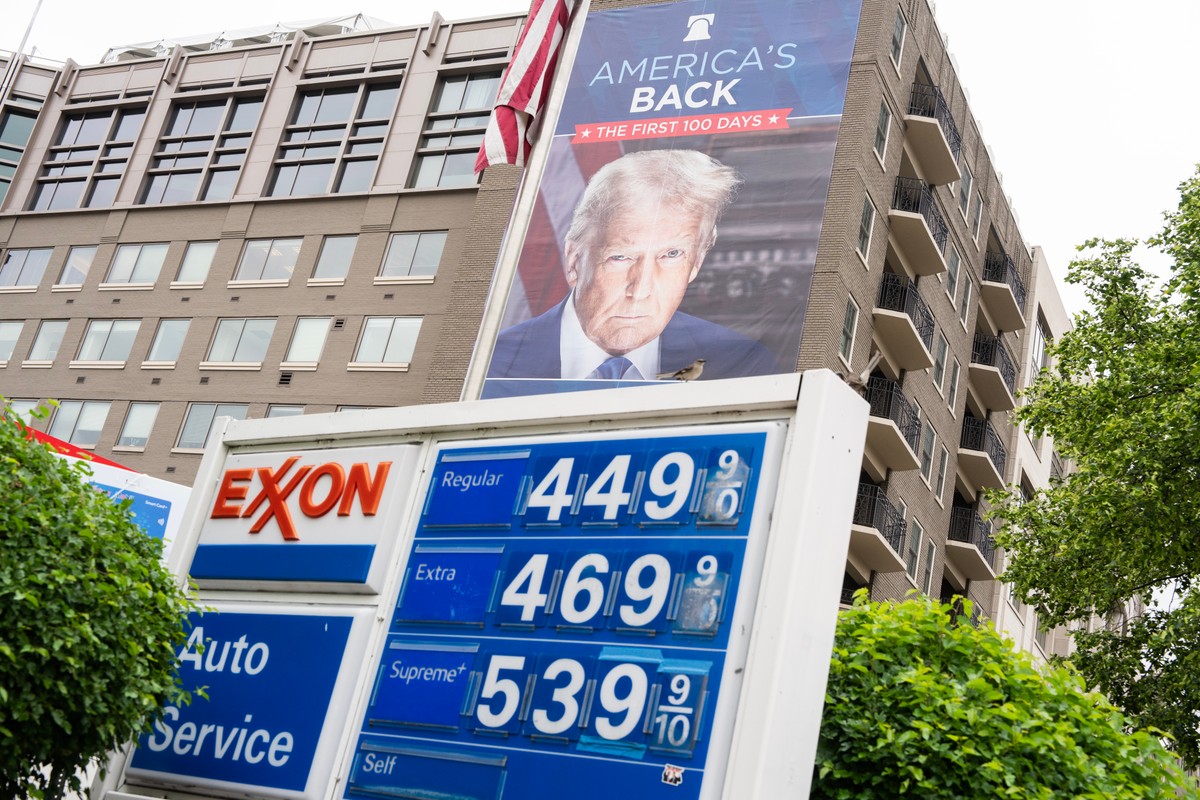
Gasoline prices at U.S. pumps have risen more than 30 percent this month, approaching $4 a gallon. President Donald Trump's efforts to limit price increases and manage supply disruptions resulting from the war in the Middle East are only “cosmetic” for the time being.
Average retail gasoline prices in the U.S. have increased by approximately 90 cents per gallon (+30%) since US and Israel attack on Iran at the end of February, writes Reuters. According to data from the American Automobile Association (AAA), the average price at the pump on Thursday was $3.88. per gallon, or $1.02. per liter.
Converted according to the average NBP exchange rate, this gives: PLN 3.80 per liter, so it would be very cheap for Polish drivers. The difference is in the amount of taxes. In the USA it is on average 15-20 percent. gasoline prices, and in Poland currently 46 percent Well, Americans drive more, and the fact that something becomes more expensive so quickly is always perceived negatively by voters.
Analysts expect prices at gas stations to increase as crude oil prices continue to rise. The price of US West Texas Intermediate crude oil futures contracts increased by almost $30, or 45%, in March from $67.02. per barrel to $96.90. Currently. It did fall during this week, but by only 0.4%.
Gasoline over $4 per gallon?
“It looks like that the price of gas will reach $4 a gallon next week [1,06 dol. za litr, czyli 3,91 zł]and could go up to $4.10 per gallon and more,” wrote Patrick De Haan, an analyst at GasBuddy, on the X platform.
Read also: Tankers and refineries on fire. What are the effects of Iran's attacks? [MAPA]
The US $4 per gallon national average threshold, last reached in August 2022, will put additional pressure on consumers who are already burdened by inflation. “Rising prices at gas stations have become a political problem for Trump and his Republican Party, which will soon launch a campaign to maintain a slim majority in the US Congress in the November midterm elections,” Reuters comments.
“Trump has promised to lower energy prices and increase U.S. oil and gas production. But so far, much of his second term has been marked by volatile markets, policy changes such as tariffs, and geopolitical turmoil,” it continued.
The war in Iran disrupted supplies of 20 percent. oil in the world and forced countries in the Persian Gulf to reduce production due to overflowing storage facilities.
This week, the Trump administration announced a 60-day waiver of the Jones Act shipping requirements. The bill would temporarily allow foreign-flagged ships to transport fuel, fertilizer and other goods between U.S. ports. However, industry experts expect that this will have only a marginal impact on price increases, only increasing transport volumes.
The Trump administration is also expected to announce a decision to end summer gasoline regulations, which would temporarily end federal smog reduction restrictions on summer gasoline blends. Such a waiver could reduce retail gasoline prices by 10 to 20 cents per gallon.