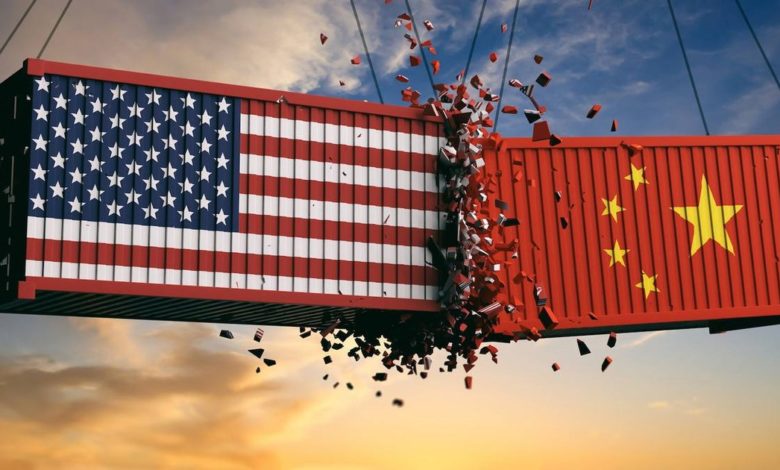
The tensions between the US and China are strongly influencing the train of the rise of the stock markets, which recently recorded the strongest decline since April to date, analysts warn.
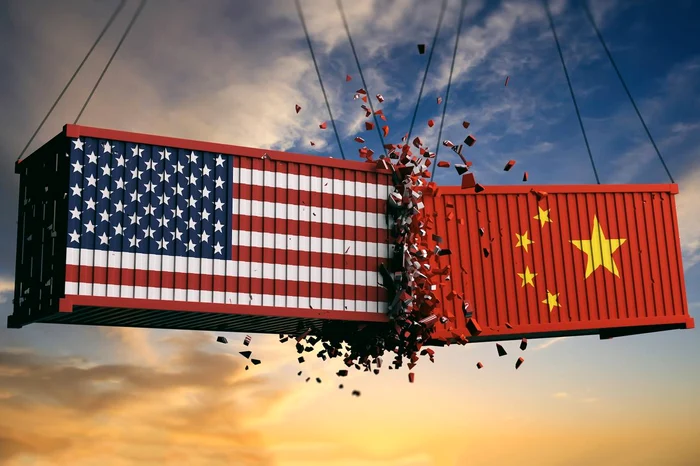
US-China disputes shake global markets. Archive photo
The lack of some essential macro data was felt, not being provided in the conditions of the suspension of the activity in the American public sector, XTB Romania analysts claim, stating that, thus, a spark reignited concerns about the main theme that led, in April, to a deep correction, stopped by the establishment of a “truce” trade concluded with China.
Trade tensions are back in the foreground
The nature of this period of calm, which allowed the major advance in the US indices, has recently been put to the test. Tensions escalated sharply with the US president's announcement on Friday of additional 100 percent tariffs on imports from China and the cancellation of a high-level meeting with Chinese President Xi. The US administration reacted to the export limitations imposed by China on products containing even small amounts of certain critical minerals, raising the level of alert in the logistics and industrial sector of some vast regions of the world, XTB analysis points out.
According to her, although the US message was different over the weekend, leaving the door open for both tariff reduction negotiations and a resumption of talks, very high volatility defined the first sessions of this week. After a strong rebound on Monday, U.S. indexes opened lower again on Tuesday but later rallied, including after comments from the Fed chief that open the door to another interest rate cut this month.
Sanctions appear in global trade
At the same time, in addition to the threat of increased tariffs, global trade flows are bracing for new barriers. Sanctions imposed on the US division of South Korea's Hanwha Ocean have been met with surprise and displeasure in the US. The announcement comes after China imposed taxes of 400 yuan (about 56 dollars) per ton on vessels connected to the US arriving at its ports, a replica of the level close to that imposed by the US on Chinese ships, Claudiu Cazacu notes.
The US says China's measures show the country's economy is weak
However, the analyst added, the US Treasury Secretary had harsh words for China's announced measures: it is a sign that their economy is weak, and they want to take the rest of the world with them. Taken separately, China's measures would be manageable, although they translate into higher costs for transport companies, passed on at least in part to consumers, but in the aggregate they may lead to a build-up of inflationary pressures. According to a study by Goldman Sachs, Americans will pay more than half of the cost of customs duties, while a fifth (22%) falls on US companies.
On the other hand, there is also good news, a report from the WTO (World Trade Organization) shows that the map of international trade is being “redrawn”, and the adaptability in the sector allows for a revision of the forecast for the growth of trade in goods this year from 0.9% to 2.4%.
What are the concerns of investors
For investors, there are other reasons for concern, he points out, adding that the labor market is deteriorating, which is also the reason why the Fed is considering lowering lending costs. Also, the losses in the area of private lending could be much higher than those already announced.
According to the head of JPMorgan, several companies financed by private capital, in the unregulated “shadow” financial sector, could suffer critical losses or collapse, such as the auto parts supplier First Brands or the sub-prime lender Tricolor, states the strategy consultant within XTB Romania.
JPMorgan and Goldman Sachs reported better-than-expected financial results, but their shares were down in Tuesday's session, a sign of investor concern for the future. The smaller participation of sectors other than technology in the market advance had already provided warning signals.
The enthusiasm associated with AI has kept the stock market on an upward trend and has given tech companies a growing share of the total market capitalization, but the high valuation levels and circular investments between the companies raise other question marks.
Gold has hit new record highs almost daily
At the same time gold reached new record highs almost daily, signaling a triple concern for the dollar, inflation and international relations. In a sign of renewed tensions with China, President Trump is warning that if US soybean imports are not resumed, he could halt purchases of cooking oil and other goods.
Driven by the still high appetite for risk, trend inertia, expectations for lower interest rates and euphoria in the AI area, the markets seem to retain a “buy the dip” mindset in the short term. However, the accumulation of arguments for prudence and, in particular, the risk of a new round of trade tariffs between China and the US seem set to bring more volatility, especially in early November, adds Claudiu Cazacu, strategy consultant at XTB Romania.